
 English
 中文简体
中文简体 русский
As cities and suburbs balance shared use of public space, a simple tool has become a focal point in conversations about safety, etiquette and civic life: the dog leash. Walkers, municipal officers and animal behaviourists say that consistent, thoughtful leash use reduces risk, eases tensions between neighbours, and supports clearer expectations around pets in public. Beyond the leash’s practical role in preventing accidents, it signals respect for other people and the public realm.
Leash use as practical safety
A primary reason people put a leash on a dog is straightforward: it prevents sudden, dangerous movement. An animal that bolts into a roadway can create a hazard for both itself and drivers, and an off-leash dog can trigger panic in cyclists or pedestrian crowds. By keeping an animal tethered, owners reduce the chances of unintended escalation.
- Traffic avoidance: A tethered dog is less likely to dart into traffic or chase a vehicle.
- Quick intervention: A leash allows an owner to redirect their pet immediately when an unsafe situation arises.
- Control around hazards: From construction sites to busy intersections, a leash gives the handler better leverage to steer the dog away from danger.
Public safety officers often note that leash compliance cuts down emergency calls related to roaming animals and simplifies response when incidents do occur.
Protecting dogs from other animals and wildlife
Leashes help manage interactions with unfamiliar dogs and local wildlife. Even friendly pets can misread signals, and an otherwise calm encounter can become tense.
- Moderated introductions: A leash lets owners control distance and posture during initial greetings.
- Wildlife respect: In green spaces, leashing prevents dogs from pursuing or disturbing wildlife, which preserves habitat and reduces injury risks.
- Disease and bite prevention: Controlled interactions reduce the chance of scuffles that could lead to bites or the spread of parasites.
For areas with known wildlife activity, officials frequently recommend short leads and extra vigilance rather than free-roaming pets.
Courtesy and shared public space
Leash use is fundamentally about sharing space respectfully. Many people feel uneasy around animals for reasons ranging from allergies to prior negative experiences. A visible tether gives others confidence and choice when passing a dog.
- Predictable movement: Tethered dogs move in a more predictable way, easing the path for pedestrians and runners.
- Personal comfort: Leashes reduce the chance of a dog jumping up or approaching strollers and wheelchairs unexpectedly.
- Civic courtesy: Using a leash signals awareness of neighbours and reduces complaints that can create friction in tight-knit areas.
Community groups that promote respectful pet ownership often highlight leash etiquette as a high-impact habit: it’s simple, visible, and easy to adopt.
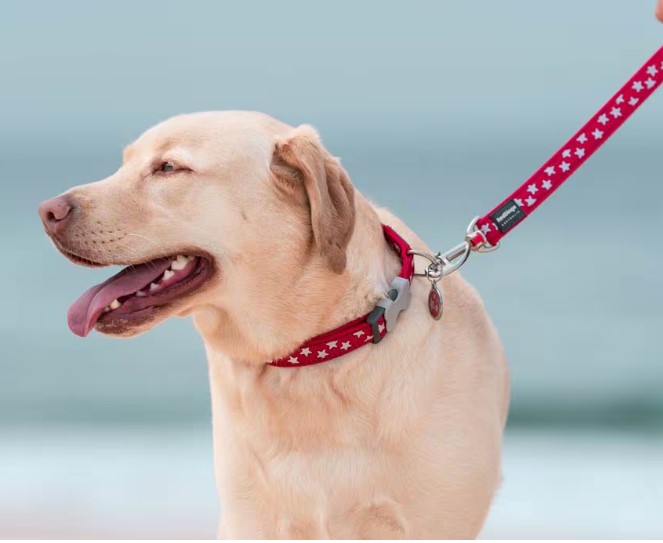
Legal obligations and liability considerations
Many municipalities require animals to be leashed in public spaces. These rules aim to protect people, property and other animals by setting a clear baseline for behaviour.
- Regulatory clarity: Leash rules give animal control officers straightforward criteria for enforcement.
- Liability reduction: Keeping a dog leashed lowers the owner’s legal exposure should an animal cause injury or damage.
- Event management: During public gatherings, consistent leash use helps organisers manage crowd dynamics and reduces the chance of conflicts.
Owners who follow local requirements avoid fines and help make shared spaces safer and more accessible for everyone.
Training, exercise and quality of life
A leash is not only a restriction; it’s also a training tool and a means to reliable exercise. Walks on a tether can be structured to build obedience and encourage calm behaviour.
- Training reinforcement: Leash walks offer repeated opportunities to practice commands such as “heel,” “sit,” and “leave it.”
- Controlled socialisation: Walks on a lead allow gradual exposure to new environments without overwhelming a dog.
- Safe freedom: In designated off-leash areas, dogs can enjoy greater freedom, but the leash remains valuable for transitions and emergencies.
Professional trainers encourage owners to use the leash strategically—balancing freedom with safety and reinforcing good habits.
Simple leash-walking tips for smoother outings
Small adjustments in equipment and approach can make walks more pleasant and safer for everyone.
- Use a comfortable lead: A secure, well-fitting lead that gives the handler reasonable control improves the experience for both dog and owner.
- Shorten the line in dense areas: Crowded sidewalks and busy intersections are better navigated with a shorter hold.
- Teach impulse control: Practice pauses at curbs and controlled greeting behaviour to reduce sudden lunges.
- Be mindful of others: Yield space to runners, cyclists and groups; step off the path if necessary to let them pass.
Consistent, calm leadership during a walk prevents most minor incidents and makes neighbours more comfortable.
Quick reference: leash approaches by context
| Setting | Recommended approach | Owner tip |
|---|---|---|
| Urban sidewalks | Short, controlled hold | Keep dog close at crosswalks and busy corners |
| Parks and greenways | Moderate lead length | Keep an eye on surrounding dogs and wildlife |
| Off-leash designated areas | Use leash for entry/exit | Ensure reliable recall before off-leash running |
| Outdoor events | Short, secure lead and close supervision | Move aside for foot traffic and leave space for children |
Building community norms around pet tolerance
Communities that foster clear norms about pet behaviour see fewer conflicts and more positive interactions. Educational campaigns, signage in parks, and community-led training sessions all help make leash expectations clear. When residents see consistent practice, attitudes toward pets in public tend to become more relaxed and predictable.
- Signage and education: Clear signs about leash rules and pet responsibility reduce confusion.
- Community programs: Workshops on leash manners and basic training build owner confidence.
- Role modelling: Neighbourhood leaders and frequent walkers who model good behaviour influence others positively.
Shifts in social norms often start with small, visible habits—like keeping a dog on a leash—that quickly spread through example.
Small habits, large effects
A simple Dog Leash can do more than tether a pet; it can prevent accidents, reduce conflicts, and make shared spaces more welcoming for people with varied needs. When owners pair a reliable lead with training and situational awareness, walks become safer and more enjoyable for everyone. For practical gear advice and walking guides, visit tallfly.