
 English
 中文简体
中文简体 русский
Grooming pets is an essential part of responsible ownership, yet busy schedules often make it challenging to maintain regular care. Simple, practical tools are becoming increasingly important in helping pet owners manage shedding, prevent tangles, and maintain healthy skin. One such tool that has attracted attention is the Pet Hair Remover Comb, designed to efficiently remove loose hair while being gentle on pets. This report explores effective grooming techniques, safe handling strategies, and the benefits of integrating tools like the Pet Hair Remover Comb into daily routines.
The Importance of Short, Consistent Sessions
Frequent, brief grooming sessions are increasingly recommended by veterinarians and professional groomers. Long, infrequent sessions can cause stress for pets and make it harder to detect early signs of skin or coat issues. Short sessions, however, keep pets relaxed and allow owners to regularly inspect for potential problems.
Engaging in daily or every-other-day grooming prevents excessive hair accumulation and maintains coat health. Even sessions lasting two to five minutes can be effective for most coat types. Offering calm praise or treats during and after grooming encourages pets to associate the process with positive experiences. Regular attention also promotes better hygiene, reduces mat formation, and allows caretakers to distribute natural oils across the coat.
Adapting Technique to Coat Type
Different coat types require specific handling to ensure comfort and effectiveness. Using incorrect techniques can lead to discomfort, hair breakage, or tangling. For straight or wavy coats, gently lifting hair with the comb before smoothing it back helps remove loose fibers without tugging. Curly or corded coats should be brushed following the natural direction of hair growth to avoid frizz or pulling. Dense undercoats require light, patient passes to release trapped hair beneath the top layer.
Proper brushing techniques not only help maintain a smooth coat but also promote healthy circulation and prevent skin irritation. Over time, pets become more comfortable with brushing and the coat remains easier to manage.
Protecting Sensitive Areas
Certain regions, including the face, belly, and hindquarters, are particularly sensitive and require extra care. Handling these areas gently minimizes stress and helps pets build trust during grooming sessions. Gently covering the eyes with one hand while using a soft tool or short strokes around the muzzle prevents accidental poking or startling. When brushing the belly and groin, move slowly and speak softly; having a second person nearby can provide stability or comfort if necessary. For the tail base and hindquarters, brushing should be done with gentle, controlled movements to avoid causing discomfort.
Focusing on these regions with care ensures that pets remain calm and develop positive associations with grooming over time.
Selecting the Right Grooming Tools
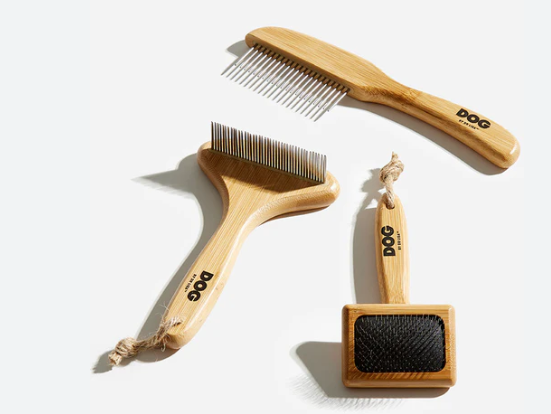
Choosing the appropriate grooming implement is critical to effective coat care. The correct tool depends on the pet’s coat length, density, and sensitivity. Using a mismatched tool can lead to unnecessary discomfort and ineffective grooming.
Tool fit is important, as the comb or brush should feel comfortable in the hand and be suitable for the coat type. Soft handles and gentle contact surfaces help prevent accidental pressure or scratches. Additionally, a tool that is easy to clean encourages consistent use.
Here is a simple comparison of common grooming tools to guide selection:
| Tool Type | Typical Use Case | Key Benefit |
|---|---|---|
| Multi-tooth comb | Detangling medium-length hair | Removes knots gently while minimizing pulling |
| Slicker-style brush | Releasing undercoat fibers | Frees trapped hair with short, controlled strokes |
| Rubber or silicone brush | Short-haired pets | Collects loose hair effectively and provides sensory comfort |
Selecting the right tool and using it properly ensures that grooming sessions are both efficient and comfortable for the pet.
Building a Positive Grooming Routine
Consistency is key in helping pets accept grooming. Short, predictable sessions reduce resistance and stress, allowing grooming to become a calming, bonding experience. Choosing calm periods, such as after playtime or walks, helps pets remain relaxed. Beginning with brief contact and gradually extending session length allows pets to adjust comfortably. Pairing grooming with treats or toys reinforces positive associations and makes brushing a more enjoyable experience.
Recognizing Health Concerns Early
Grooming sessions also offer a chance to monitor your pet’s health. Observing subtle changes during brushing can prevent small issues from becoming serious problems. Watch for skin changes, such as redness, scabs, unusual lumps, or patches of hair loss. Behavioral signals like flinching, withdrawal, or sudden agitation during grooming may indicate pain or sensitivity. Persistent skin conditions or severe matting should prompt consultation with a groomer or veterinarian. Early detection of issues ensures pets remain comfortable and healthy.
Practical Tips for Busy Owners
Incorporating grooming into a hectic schedule requires efficiency and planning. Multiple short sessions across a week often yield better results than a single long session. Concentrate on areas prone to mats, such as behind the ears, chest, and flanks. Keeping grooming tools in a designated spot encourages spontaneous use and maintains routine consistency. Small adjustments like these help owners manage pet care without feeling overwhelmed.
Long-term Benefits and Safety
Regular grooming offers more than cosmetic benefits. Consistent, gentle brushing reduces matting, improves coat condition, and allows early detection of skin issues. Avoid excessive force to prevent discomfort or injury. Using pet-friendly shampoos or conditioners, if necessary, supports coat health. If a pet becomes distressed, pausing and resuming later maintains a stress-free experience. These practices strengthen the bond between pet and owner while supporting long-term coat health.
Combining Home Care with Professional Support
While home grooming is effective for daily maintenance, professional care remains important. Groomers and veterinarians can provide guidance on tools, techniques, and optimal frequency. Demonstrations can show correct angles and pressure for sensitive areas, while professionals can recommend full grooming session schedules. Severe matting or persistent skin issues may require specialized attention. Combining home and professional care ensures comprehensive maintenance and overall well-being.
Enhancing Daily Grooming Practices
Incorporating tools like the Pet Hair Remover Comb into your daily routine can simplify coat care and reduce stress for both pets and owners. Using gentle techniques, maintaining short, consistent sessions, and monitoring skin health ensures pets stay comfortable while their coats remain smooth and tangle-free. For more information on practical grooming tools and guidance, visit tallfly.