
 English
 中文简体
中文简体 русский
Living with pets brings endless happiness, but it also means dealing with one issue every pet owner faces: fur that seems to end up on everything. No matter if your companion has a thick, fluffy coat or a short, smooth one, pet hair clings stubbornly to clothes, furniture, carpets, and more. The Pet Hair Remover Roller & Scraper stands out as a widely used option among cleaning tools, yet many wonder if it really lives up to the hype. Getting a clear picture of how these tools operate, the situations where they shine, and the areas where they come up short helps you decide whether they deserve a spot in your regular cleaning lineup.
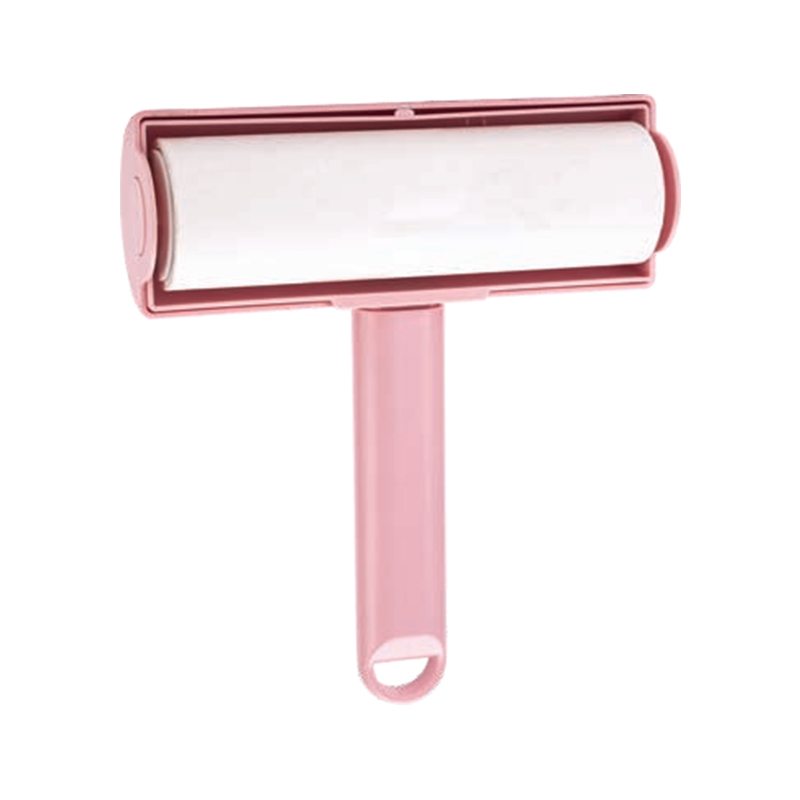
Do Sticky Lint Rollers Actually Work?
Yes, they do work effectively, though with some clear limitations. These tools are excellent for removing loose hair and surface lint from fabrics and smooth materials, which makes them perfect for fast cleanups right before you leave the house or for keeping things looking neat during the day. They rely on sticky sheets that catch and pull away individual strands and small fibers when rolled across a surface.
That said, they aren't perfect. Deeply settled pet fur that's become intertwined with fabric threads over time is tough for them to lift, and they don't perform as well on rough or heavily textured surfaces where hairs can hide in grooves. They do a great job on items like suit jackets, dress trousers, and flat furniture upholstery. When it comes to serious buildup or thorough cleaning, they're best used alongside stronger methods rather than as the only option.
Who Benefits Most?
Your living setup and the kind of pets you have play a big role in how useful these rollers turn out to be. People in small apartments with just one pet often rely on them heavily since there's little room for lots of cleaning gear. Their small size means you can stash them by the door, in the car, or even at your office desk.
Folks with short-haired pets usually get the best results because those shorter strands come off more easily. Long-haired pets create more difficulty since the fur tends to knot up and often needs several rolls or some prep work first. Households with multiple pets go through the sticky sheets much faster, which can make the ongoing expense feel less worthwhile.
Fast Comparison Snapshot
| Tool Type | Speed | Fabric Safety | Portability | Situation |
|---|---|---|---|---|
| Sticky Roller | Very fast | High | Compact | Quick clothing fixes, travel |
| Reusable Roller | Fast | High | Moderate | Daily maintenance, eco-conscious users |
| Handheld Vacuum | Moderate | Medium | Low | Furniture, car seats, deep cleaning |
| Rubber Glove | Slow | Very high | Very compact | Delicate items, spot treatment |
| Fabric Brush | Moderate | Medium | Moderate | Coarse fabrics, weekly maintenance |
Each tool has its own place in pet hair management. Sticky rollers stand out when you're short on time and need to look good right away. Reusable ones give similar convenience with lower long-term costs. Vacuums tackle larger amounts but need electricity and space to store. Rubber gloves use friction and static to lift hair gently, though the process takes more effort. Fabric brushes rely on mechanical lifting and work well on tougher materials.
How to Read This Guide
This guide is set up to meet different needs. If you're just trying to decide whether to buy a roller soon, the early parts give you what you need to make up your mind. If you're weighing multiple hair removal options, check the middle sections for more in-depth breakdowns. If you already own a roller and want to get better results, head straight to the techniques section.
The focus here stays on real-world advice rather than selling anything, with honest expectations and practical suggestions. By the time you finish, you'll know not only if these rollers work, but exactly when they're the right choice and how to make them perform their best.
How Sticky Lint Rollers Work: The Science and Mechanics
What Makes the Adhesive Stick?
These tools depend on pressure-sensitive adhesives that become active with just light contact and a bit of pressure. Unlike glues that cure through chemical changes, these adhesives rely on tiny surface features that form short-term bonds with fibers. Rolling them across fabric presses those features into place, letting them grab hold of individual hairs.
Tackiness Variations
Adhesive strength differs between products. Stronger versions lift more hair in a single pass but risk leaving sticky traces or damaging delicate fabrics by pulling threads. Milder ones are safer on a wider range of materials but usually need extra passes to get the same level of cleanliness. Pet-specific rollers and scrapers generally use adhesives tuned to match the thickness and feel of animal fur rather than everyday lint.
Understanding Limitations
A few things hold them back. Fur that's worked deep into the weave instead of resting on top is hard to reach with the adhesive. Static can make lifted hairs leap back onto the surface or nearby areas instead of staying on the roller. Extra-long strands sometimes wind around the roller and need to be pulled off by hand before you can keep going. Recognizing these issues helps you set sensible expectations.
Where Sticky Rollers Excel: Surfaces, Pet Types, and Real Scenarios
Clothing and Quick Outfit Touch-Ups
Looking polished matters in professional environments, and stray pet hair can ruin the effect. Keeping a roller by the exit lets you do a final sweep before stepping out. They handle these items especially well:
- Wool and wool-blend coats where hair rests on top
- Smooth polyester-cotton dress pants
- Blazers and suit jackets
- Dress shirts and blouses
The trick is dealing with hair early, before it gets pressed in by sitting or moving around all day.
Upholstery and Cushions
Different furniture fabrics react in their own ways depending on weave and texture. Tight weaves like microfiber let hair go more easily than loose, plush ones like chenille. Leather and faux leather work nicely because hair stays on the surface. Velvet and other napped fabrics can be tricky since the adhesive might catch the pile along with the hair.
Car Interiors and Travel Gear
Car seats collect huge amounts of fur, particularly during heavy shedding seasons. Rollers offer an easy way to keep the interior tidy between full cleanings. They tuck neatly into glove boxes or door pockets for fast touch-ups before giving someone a ride. Luggage and pet carriers also stay cleaner with regular rolling to stop hair from spreading.
Quick Versus Deep Clean
Knowing when to grab a roller and when to switch to something stronger avoids wasted effort. Reach for rollers for instant appearance fixes, everyday upkeep, and small problem spots. Save vacuuming for regular deep cleans, major furniture work, and heavy buildup. Pairing the two methods gives you a solid routine that controls pet hair without taking too much time.
Head-to-Head: Sticky Rollers Versus Alternatives
Comprehensive Comparison
| Factor | Sticky Roller | Reusable Roller | Vacuum | Rubber Glove | Fabric Brush |
|---|---|---|---|---|---|
| Effectiveness | High on smooth fabrics | Moderate to high | Very high | Moderate | Moderate |
| Speed | Very fast | Fast | Slow | Very slow | Moderate |
| Cost Per Use | Medium | Low | Low | Very low | Very low |
| Environmental Impact | High waste | Low waste | Moderate energy | Minimal | Minimal |
| Portability | Compact | Compact | Bulky | Pocket-sized | Moderate |
Common Reader Personas
Busy Professionals: Sticky rollers provide quick, reliable help for staying presentable during busy workdays. Stash one at home, another in the car, and maybe keep a spare at the office for last-minute fixes.
Landlords and Property Managers: Reusable rollers usually make more financial sense when you're handling several properties. The initial cost gets recovered fast, and long-lasting build quality becomes more important than sheer ease of use.
Multi-Pet Households: Mixing different tools tends to give better overall results than depending on just one. Rely on rollers for everyday clothing and quick spot checks, bring out the vacuum for weekly furniture and floor work, and reach for brushes on upholstery where rollers fall short.
When Hybrid Approaches Work Better
Almost no pet hair situation gets fully solved by using only one method. Building a simple routine—using rollers for fast, visible fixes while setting aside time for deeper cleaning—keeps things under control without letting buildup get out of hand. For example, roll the arms and backrests of sofas where people and pets make regular contact, then follow up with a thorough vacuum on the cushions once a week to stay ahead of the mess with minimal extra effort.
How to Choose the Right Sticky Lint Roller
Key Purchase Factors
A few main features decide whether a roller will actually meet your needs:
- Adhesive Strength: Look for demos or check honest reviews that mention how it handles specific kinds of pet hair
- Sheet Count: Figure out the real cost per sheet by dividing the package price by the number of sheets
- Roll Width: Wider rolls clear bigger areas faster but can feel awkward in tight spots
- Handle Ergonomics: Handles with a slight angle cut down on wrist fatigue when you're using it for longer sessions
- Refill Availability: Make sure replacement rolls are easy to find and don't cost a fortune
- Price Per Sheet: Shop around different brands to spot the best actual value
Specialty Rollers
Certain brands make rollers tailored for pet hair, usually with adhesives adjusted to grab fur better based on thickness and texture. Extra-wide models speed up cleaning large furniture pieces like couch cushions. Compact travel sizes trade off sheet quantity for easy portability, perfect for tossing in a car or suitcase.
Red Flags to Avoid
Super-cheap rollers frequently use weak adhesives that leave gummy residue behind or stop sticking after just a few swipes. Poorly made ones wobble, come apart, or tear sheets unevenly, which wastes time and causes aggravation. Pay attention to how solidly the roller connects to the handle and whether the perforations let you tear sheets cleanly without ripping.
Techniques to Maximize Effectiveness
Proper Rolling Method
The way you roll matters a lot for good results. Use steady, overlapping strokes that follow the fabric's natural direction whenever you can. Press firmly enough to make solid contact but not so hard that you flatten delicate fibers. Overlap each pass by about half the roller's width to avoid skipping patches.
On clothes, start at the top and work downward so loose hairs drop away naturally. For furniture, divide it into sections and roll methodically instead of going in random directions to get even coverage.
Preparation Tips
A very light dampening of the roller surface can sometimes help in dry conditions where static makes hairs fly everywhere—just mist from a distance and don't overdo it, or the adhesive might weaken. Shaking out clothes or items beforehand gets rid of the loosest hairs and saves sheets. On furniture, a quick swipe with a dry rubber glove beforehand can loosen buried hairs so the roller picks them up more easily.
Handling Challenges
Long or matted hair needs careful handling. If strands start wrapping around the roller, pause and pull them off by hand instead of pushing through—you'll just spread the mess farther. For hair buried deep in the fabric, go over the area lightly with a fabric brush first to lift it, then follow with the roller to finish the job cleanly.
Maintenance, Cost Per Use, and Sustainability
Sheet Replacement Frequency
How often you change sheets depends on your routine. Usually one sheet manages one to three pieces of clothing or a small furniture section before it loses grip. Periods of heavy shedding or pets with long coats use sheets up much quicker.
Track your weekly sheet usage for a few weeks, then multiply by 52 to estimate yearly costs. Weigh that against the price of a reusable roller to see which option actually saves money for your situation.
Environmental Considerations
Standard sticky rollers create a lot of trash since the used sheets head straight to the landfill, with their plastic layers and adhesive that break down very slowly. If you're concerned about waste, look into:
- Reusable rollers that have washable surfaces and produce no disposable sheets
- Brands offering sheets made with compostable backing
- Local recycling programs that accept used lint sheets (though these are still rare)
Storage and Shelf Life
Adhesive can lose effectiveness over time, especially if exposed to heat or cold extremes. Keep rollers in a moderate, stable spot out of direct sun. High heat sometimes makes the adhesive too gooey and prone to residue, while freezing temperatures can make it less sticky. Keeping them in their original sealed packaging helps them last noticeably longer than ones left open.
Common Myths and Mistakes
Myth: More Adhesive Always Equals Better Performance
Stronger adhesives do lift more hair in a single pass, but they come with a higher chance of harming fabrics and leaving behind sticky traces. Delicate items such as silk, lightweight wool, or loosely woven materials can catch, pull threads, or suffer damage from overly aggressive adhesives. Picking an adhesive strength that matches your fabrics and hair type usually gives cleaner, safer results than just grabbing the most powerful version available.
Frequent Mistakes
Rollers need careful use on suede or leather since certain adhesives can strip color or finish from these surfaces. Pressing too hard rarely helps and often flattens fibers or leaves glossy marks on some fabrics. The biggest oversight is depending only on rollers for everything—without regular deeper cleaning, hair works its way into hidden spots the roller can't touch, eventually forcing you into much bigger cleaning jobs later.
Practical Next Steps
A pet hair remover roller and scraper becomes a solid part of your pet hair routine when you use it for the right tasks. These tools really shine for fast cleanups, keeping clothes presentable, and handling daily touch-ups, but they work best when combined with other methods instead of trying to handle everything alone.
If you're trying one for the first time, pick up a small pack of refills to test it out without spending much. That way you can see how well it fits your home and habits before buying larger quantities. Keep track of how many sheets you go through in a normal week or two so you get a clear picture of the real ongoing cost.
Keep in mind that mixing different approaches almost always works better than counting on just one method. Make rollers part of your daily habits to take advantage of their quick action, ease of use, and easy portability, then bring in a vacuum or other deeper-cleaning tools once a month for complete results. This practical combination keeps your home tidy without demanding too much time or setting expectations that any single tool can handle it all.