
 English
 中文简体
中文简体 русский
Pet owners in neighborhoods everywhere are seeing changes in how their pets interact with water sources, and products like the Opey Pet Water Fountain show how much more people now understand that good hydration plays a key role in long-term health. Old-fashioned ceramic bowls have been around forever, but plenty of cats and dogs still hesitate to drink from water that sits still for hours on end. The soft, constant movement in Pet Water Fountain designs helps overcome that reluctance by copying the look and feel of a natural stream, which often sparks an instinct to drink more readily. Clean white bodies with blue highlights and flower-shaped spouts add a nice look while actually working to spread the water evenly over wide, shallow edges so pets can lap up the moving stream easily without stretching awkwardly or getting splashed.
Why Moving Water Captures Animal Attention Better Than Still Bowls
Pets come from wild ancestors that drank almost exclusively from moving sources—rivers, creeks, springs, or fresh puddles after rain—because still water sitting in one place was far more likely to grow harmful bacteria or become fouled. That same instinct carries over to house cats and dogs today, so they tend to prefer any water that moves, ripples, or makes a quiet trickling sound. The motion gives them clear visual, auditory, and even tactile cues that the water is fresh: light plays differently across the surface, circulation keeps it noticeably cooler, and the gentle sound signals constant renewal.
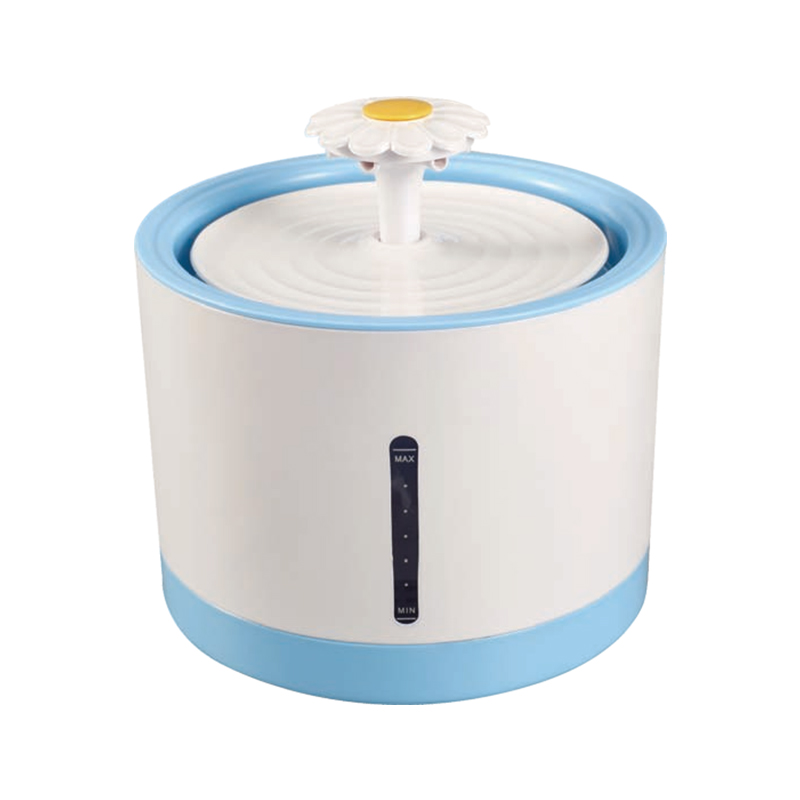
Cats usually show the strongest pull toward moving water. Their wild relatives lived in dry regions where every water source had to be judged carefully for safety, so modern cats often act the same way—pawing at the surface of a still bowl, ignoring water that's been sitting awhile, or hanging around sinks and faucets waiting for drips. Dogs share the preference to a lesser extent; plenty will go straight to a running hose or Pet Water Fountain, though most are still willing to drink from a regular bowl when they're really thirsty.
Beyond the initial draw, good hydration brings real body-wide benefits. Enough water keeps kidneys working efficiently to clear waste, helps move food through the gut and absorb nutrients properly, dilutes minerals in urine to lower the chance of crystals and stones forming, and provides the fluid needed for effective panting and heat regulation. Dry-food eaters need considerably more water than pets on wet or raw diets, but a lot of them never drink enough when the only option is a motionless bowl.
Early signs of dehydration are easy to overlook: gums that stick slightly to your finger, skin that takes longer to snap back when pinched, urine that's darker and less frequent, and a general drop in energy. When mild under-hydration goes on for months or years, it puts steady extra work on the kidneys and can help set the stage for problems that better water intake could have prevented.
Understanding Fountain Components and Water Movement Patterns
Current Pet Water Fountains bring together a few basic parts that work as a system to keep water clean and interesting. The main tank holds enough volume for one to several days depending on how many animals are drinking and their size. A small pump sits submerged and pushes water up through channels or tubes to keep everything circulating. The outlet—often shaped like a flower, tier, or wide lip—spreads the flow so pets have different places and styles to drink from. Multi-stage filters catch debris and strip out off-tastes before the water heads back to the pump.
Common flow styles are built to feel fresh and encourage drinking:
- Tall central streams pull attention with height and the sound they make
- Water spilling gently over the rim gives shallow, low-risk drinking spots
- Quiet bubbling keeps the surface active without much racket
- Separate flow areas let multiple pets pick the pattern they like best
Most Pet Water Fountains filter in three rough layers, though exact setups change by model. A coarse screen or sponge grabs obvious stuff—hair, kibble bits, dust—before it can clog the pump. Carbon blocks take out chlorine, some metals, and organic smells that make water taste bad. The last fine layer catches tiny particles that slip past the earlier ones, leaving the water clearer overall.
Safety features are built in from the start. Many pumps have low-water shutoffs so the motor doesn't run dry and overheat. Low-voltage power supplies cut down on shock danger, which matters in homes where pets might mouth cords. Edges are smoothed and access is gradual to avoid scrapes, and wide, heavy bases keep the whole thing from tipping over easily.
Sound levels depend mostly on the pump and build quality—good ones stay nearly silent, while cheaper units can hum, buzz, or vibrate enough to bother light sleepers or skittish pets. Power draw is usually very low, often less than what a small lamp bulb uses when left on all day.
Real Benefits That Matter for Daily Life
Pet Water Fountain tends to produce quick, noticeable changes in drinking habits. A lot of owners see their pets go to the water more often within the first few days. Animals who used to treat the bowl as a last resort start checking it regularly because the movement and constant refresh trigger their natural urge to drink.
Better hydration often improves behavior too. Pets that used to paw and splash in still water usually calm down around a fountain since the flow keeps things interesting without any effort on their part. Moving water also flushes loose debris toward the filter instead of letting it settle, so the drinking area stays cleaner longer.
Longer-term health gains build more slowly but hold up well. Urine generally gets less concentrated after a couple weeks of increased intake, which cuts down on irritation and crystal risks in the urinary tract. Kidneys get consistent help clearing waste—particularly useful for older pets whose filtering ability naturally drops. The digestive tract handles food and pulls nutrients better when there's enough moisture present.
For owners, the routine gets easier. Regular bowls usually need emptying, rinsing, and refilling several times a day to stay appealing, plus extra scrubbing to get rid of slimy buildup. Fountains mostly just need topping off, with deep cleanings pushed out to every week or two depending on the household. Having reliable fresh water waiting makes it less stressful to be away from home for a full workday or overnight.
A realistic look includes the downsides. Pumps eventually need descaling to keep running smoothly. Filters have to be changed every few weeks to a couple months based on water hardness and how many pets are using the fountain. The purchase price is higher than a plain bowl, and replacement filters become a steady expense. A handful of pets are cautious or outright spooked at first and need a slow introduction before they'll drink comfortably.
Matching Fountain Specifications to Household Needs
Picking the right fountain size comes down to the number of pets and their individual water needs. A single average cat usually takes in about four ounces of water per day under typical conditions, though activity, diet, and climate can push that higher or lower. Small dogs fall in a similar range, while bigger breeds often drink several cups daily. Households with more than one animal should look at larger tanks that can comfortably handle two to three days between refills—enough to stay practical without turning the fountain into an oversized piece of furniture.
| Household Type | Recommended Capacity | Pump Flow Rate | Filter Change Frequency |
|---|---|---|---|
| Single cat | 50–70 ounces | Low–Medium | Every 3–4 weeks |
| Multiple cats | 100+ ounces | Medium | Every 2–3 weeks |
| Small dog | 70–100 ounces | Medium | Every 3–4 weeks |
| Large dog | 150+ ounces | High | Every 2 weeks |
| Mixed household | 150+ ounces | Medium–High | Every 2 weeks |
Placement choices really shape how much pets actually drink from fountains. Putting them in calm, low-traffic spots helps shy or nervous drinkers feel relaxed, and it stops the running water noise from bothering daily household routines. Setting one up in the kitchen simplifies refills, although the water can sometimes absorb cooking fumes or dust floating around. Keeping the fountain a good few feet away from food bowls matches the habit many cats and dogs have of not wanting to drink where they eat. Raising it onto a platform makes it easier for older pets with joint stiffness to reach, plus it usually means less floor grit ends up in the water.
When picking a model, look past just how much it holds:
- Reservoir transparency lets you glance at the water level instantly without opening anything
- Pump accessibility decides whether cleaning feels quick or becomes a chore
- Filter cost and how easily you can buy replacements really add up over time
- Filled footprint has to work in the chosen spot without blocking paths or creating risks
- Weight stability keeps it from tipping over when pets get excited and paw at it
- Modular design means you replace just the worn piece instead of the entire thing
Different homes and pets handle noise very differently. Watching real demonstration videos usually shows the actual operating sound better than any text description, even though microphones and speakers can change things a bit. Scanning lots of detailed owner reviews helps pick out repeated complaints about steady humming, loose rattling, or shaking that hint at quality control differences between units.
Ease-of-use details matter a lot for kittens, elderly pets, or those with arthritis or other mobility limits. Lower edges around the drinking area take pressure off sore necks and let young ones figure out drinking without struggling. Grippy feet stop the whole unit from sliding on tile or hardwood when animals lean in. Larger, open drinking zones spread out access in multi-cat or multi-dog households so no one feels crowded or pushed away.
Successful Setup and Gradual Introduction Strategies
Wash all the parts thoroughly right away with gentle dish soap and rinse everything completely to get rid of factory leftovers. Put the filter in exactly as the instructions say so it fits tightly and water has to go through it properly. Start by filling just to the lowest line to get the pump going safely without spills, and always stay below the top line to keep the motor from getting flooded in some models.
Pick a flat, solid place and double-check that the cord runs safely out of the way so nobody trips and pets aren't tempted to chew it. While some animals dive right in to explore anything new, others act cautious or even avoid strange objects in their usual spaces. A slow, low-pressure introduction works best for wary pets:
- Set the fountain close to their regular water bowl at first so they can look it over whenever they want
- Switch the pump on for only a few minutes at a time while they watch from wherever feels safe
- Give calm praise or a small treat whenever they get closer or show interest
- Leave the old bowl sitting out during the first few weeks so nothing feels forced
- Lightly swirl your finger in the water to make gentle movement and show it's harmless
Daily habits focus on quick steps that keep the water fresh between full cleanings. Check levels first thing in the morning and again in the evening—more often when it's hot and everyone drinks extra. Look quickly for any bits floating on top that slipped past the filter and scoop them out before they change the taste. Notice any change in how the pump sounds; a new hum or gurgle can warn you about a developing clog or part wearing out.
Watching how pets use it over days or weeks tells you a lot about whether it's working well and if they actually like it. The water ought to look pretty clear most of the day with hardly any buildup. The pump noise should stay even instead of starting to buzz, rattle, or shift pitch. You'll often see patterns—some pets always drink from one side or spot, while others move around and use different areas.
Maintaining Water Quality Through Regular Cleaning Cycles
A realistic cleaning plan keeps water good without taking too much time. Every day just takes a minute or two: wipe saliva off the rim, clean any obvious spots, and add more water. Once a week take it apart, pull the pump out and rinse it, then wash every piece under running water. Every month do a deeper clean by soaking parts in vinegar to loosen scale and using a brush to get into small crevices.
Stick to cleaners that won't harm pets or damage the fountain. Plain mild dish soap handles everyday washing and cuts grease without leaving anything behind. White vinegar works well to break down hard water deposits after soaking 20–30 minutes, then rinse everything very thoroughly. Old toothbrushes or tiny brushes get into the pump's impeller and tight corners where slime builds up. Never use bleach or ammonia cleaners—they can leave residues that are hard to wash out completely and may bother pets.
Troubleshooting common issues often requires systematic investigation:
- Pump hums without water flow: Check for airlocks by tilting fountain or trapped debris blocking impeller rotation
- Decreased flow rate: Inspect filter for clogging and pump intake for hair accumulation
- Unusual odors: Replace filter immediately and perform deep cleaning of all surfaces
- Excessive noise: Verify pump submersion, check for loose components, and ensure stable surface placement
Seasonal considerations affect fountain management in some climates. Winter heating reduces indoor humidity, increasing evaporation rates that require more frequent refilling. Extended absences or seasonal home closures require complete draining to prevent stagnant water issues and potential freezing damage. Pumps should be dried thoroughly and stored in temperature-stable locations to preserve motor and seal integrity.
Financial planning for ongoing costs helps avoid surprises. Replacement filters typically need purchasing every month or two, with bulk packages offering per-unit savings. Pump lifespan ranges from one to several years depending on quality and maintenance diligence, with replacement costs varying widely between models. Annual ownership expenses might total the equivalent of a modest monthly subscription service when accounting for filters, occasional pump replacements, and cleaning supplies.
Durability Expectations and Long-Term Ownership Realities
Well-made pet fountains can last several years instead of just a few months when owners stay on top of regular care. The pump usually wears out first because it runs constantly, slowly wearing down brushes, bearings, and seals even with consistent cleaning. Cheaper models sometimes stop working after only a handful of months, whereas better-built ones from known brands frequently keep going strong for two to four years or longer. Warranties range widely—many low-cost units come with none at all, while higher-end versions often include coverage that lasts multiple years.
Keeping noise in check continues long after you bring the fountain home. Adding rubber pads under the pump helps stop vibrations from traveling into hard floors and getting louder. Placing the unit on something soft like a bath mat or folded towel quiets things down even more. The reputation of the pump maker makes a real difference; companies with a track record tend to have tighter quality standards compared to no-name factories.
How easily you can get replacement parts decides whether a broken fountain ends up in the trash or gets fixed with a quick swap. Filters that only fit one specific model can trap owners into buying pricey or hard-to-find replacements from the original company. Filters that match common sizes used by different brands give you more choices and usually better prices. Pumps built to standard specs let you pull one from another supplier if the maker stops supporting the product.
Environmental considerations influence purchasing decisions for ecologically minded households. Filter disposal generates waste that accumulates over ownership years, though activated carbon components sometimes accept composting after removing synthetic wrapping. Continuous electrical consumption remains modest but represents phantom draw that environmentally conscious owners may weigh against benefits. Material choices in fountain construction range from recyclable plastics to mixed assemblies difficult to process at end of life.
Evaluating Product Information and Review Credibility
Careful reading of the specs helps cut through hype and get to what really matters. Listed flow rates show what the pump can handle overall, but the actual speed and feel of the water at the drinking area depend much more on how the spout is shaped. Claims about filtration need a close look at what the filter is actually made of instead of trusting vague words like "advanced purification." Tank size listings should make clear the difference between total volume and the usable amount between the low and high fill lines.
Reliable owner feedback gives a much clearer picture than anything the company writes. Reviews that include clear photos of the parts taken apart show true build quality and how straightforward cleaning really is. Videos let you hear the real running noise and watch how the water moves. Comments from vets or animal behavior experts bring professional views on whether fountains truly help pets drink more and what to expect in real life.
Certain red flags in listings deserve extra scrutiny before buying. Missing details—especially about pump wattage, filter materials, or exact capacities—often point to skimping on quality or sellers who don't know the product well. Listings that show inside photos usually signal more openness, while a complete lack of them can mean the maker wants to downplay certain aspects. Filters that cost a lot, come only from one source, and have no compatible substitutes set up a situation that favors the seller far more than the buyer.
Looking closely at product photos reveals more than you might expect. Clear water-level windows show the design considers everyday use. Easy-to-reach top sections hint at simpler maintenance. Visible filter compartments tell you whether changing one means taking everything apart or just popping a lid. Sometimes you can spot cheaper plastic by its finish and texture compared to higher-grade materials.
Practical Steps Forward for Interested Pet Owners
A few important points are worth thinking about before deciding on a fountain. Models that keep water moving and filter it well do encourage lots of pets to drink more, though every animal reacts differently. Pick a size that suits how many pets you have, but be honest about whether you'll actually keep up with the cleaning it needs. Consider available space, nearby outlets, and how much noise your household—and your pets—can tolerate for the long haul.
Before you buy, measure the spot where it will go, making sure there's an outlet close enough and enough room around it so pets can drink comfortably without feeling squeezed. Think about the number of animals and roughly how much water they drink together on a normal day. Plan a cleaning routine that realistically fits into your schedule instead of hoping you'll do more than is practical. Look at several models side by side, paying special attention to ongoing filter costs and whether replacements stay easy to find.
Getting good results usually takes some patience in the beginning while pets get used to the new setup and you settle into a maintenance pattern. Watch drinking habits for a couple to a few weeks, looking for any uptick in how often they drink or signs like paler urine that suggest better hydration. Keep an eye on when filters really need changing so you know the true expense. Pay attention to any shifts in pump sound or flow—they can tip you off to small problems before they turn into big ones.
Switching from plain bowls to circulating fountains marks a real change in everyday pet care, going from simply putting water out to actively helping pets build better drinking habits. Fountains don't promise miracles or fix every hydration issue, but they give a practical, research-supported way to tackle problems that many owners notice with their animals. Whether it's coaxing picky cats to drink more or helping support kidney function in older pets, these flowing-water setups offer something worthwhile for anyone serious about keeping their companions as healthy as possible.