
 English
 中文简体
中文简体 русский
Every pet owner who shares their living space with a furry companion encounters two persistent challenges: scattered hair across furniture and clothing, plus the occasional discovery of tangled patches in their pet's coat. These issues extend beyond mere inconvenience, as accumulated loose hair contributes to household cleanup demands while matted areas can create discomfort for animals and potentially lead to skin complications. A Pet Hair Remover Comb addresses both concerns through a straightforward mechanical approach, combining specialized teeth designed to reach different coat layers with techniques that minimize pulling or irritation. Understanding how to select and use such tools properly transforms routine maintenance from a stressful experience into a manageable practice that supports both coat health and the bond between owner and pet.
Who Benefits from Regular Grooming with Pet Hair Remover Combs?
Certain pets demand extra coat care compared to others. Long-haired dogs and cats, especially those with double coats or tightly curled fur, shed heavy amounts of loose undercoat when seasons change. Owners of breeds such as Golden Retrievers, Huskies, Poodles, Maine Coons, and Persian cats usually see much more shedding in warmer weather as their animals shed their dense winter coats. Crossbreed pets showing these same coat traits have similar grooming requirements.
The tool serves multiple purposes simultaneously:
- Removes dead undercoat before it scatters through the house
- Gently breaks up small tangles before they become serious mats
- Spreads natural oils from the skin along the hair for better shine and protection
- Offers a regular chance to inspect the skin for any problems
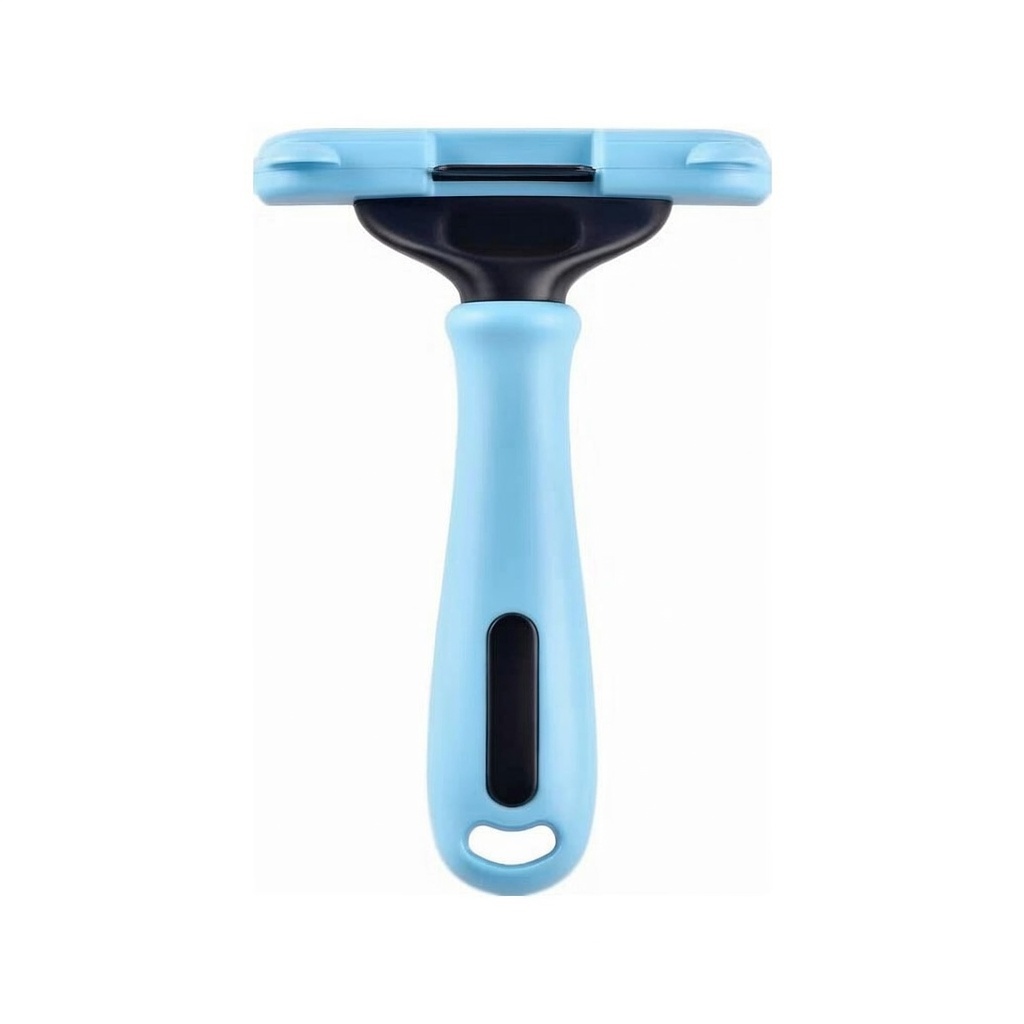
People approaching grooming from various viewpoints gain from understanding how these tools function. Those interested in coat biology value learning that hair follows growth cycles, with some hairs growing while others rest and eventually shed. Shoppers comparing different grooming tools appreciate that tooth arrangements are made for specific tasks. Buyers looking to choose the right equipment need straightforward advice on pairing features to their pet's coat type.
Immediate outcomes after a single session typically include:
- Clear decrease in loose hair that would otherwise stick to furniture and clothing
- Smoother-looking coat once tangles are resolved
- Happier, more comfortable pet, particularly in places like behind the ears, under the arms, and along the belly
- Easier view of the skin to notice anything that might need a veterinarian's check
Safety Considerations Before Beginning
The skin beneath all the fur is very sensitive. Using correct technique keeps grooming enjoyable rather than painful or upsetting. The tool's teeth glide through coat layers without cutting, but wrong angles or too much pressure can cause scratches or irritation.
Is this approach safe for delicate skin?
When handled properly, yes. The teeth are designed to divide tangled hair while a careful grip stops the metal from scraping the skin. Gently holding the skin taut in the section being groomed reduces pulling that leads to discomfort.
Can these tools be used on damp coats?
It depends on the coat type and grooming aim. Some coats respond better when lightly damp with a slip-enhancing conditioner, helping work through tough tangles. Other coats, especially thick double coats, perform best when fully dry to lift out loose undercoat. Wet, dense fur often clumps, making it hard to reach the shedding layer underneath.
Certain situations require pausing home grooming efforts:
- Visible skin redness, inflammation, or any open wounds in the area needing attention
- Mats that have tightened completely against the skin, potentially trapping moisture or hiding irritation underneath
- Animals recovering from surgery or medical procedures affecting skin integrity
- Very young puppies and kittens whose skin has not yet developed full resilience
- Elderly animals with thinning skin that tears more easily
When pets show discomfort—backing away, making sounds, trying to bite, or tensing their body—stop right away and reevaluate. Continuing against their will builds fear and resistance toward future grooming.
How Hair Growth Patterns Create Grooming Challenges
Knowing why coat issues develop helps stop them before they worsen. Hair grows from follicles in a set cycle: active growth, resting phase, and natural shedding. Double-coated breeds have two hair types—a soft, thick undercoat for warmth and longer guard hairs that shield against water and dirt.
During major seasonal changes, especially spring and fall, many pets shed large parts of their undercoat. This natural adjustment helps them adapt insulation to new temperatures. When left alone, loose undercoat mixes with attached hairs and forms the start of mats.
Why Certain Breeds Require More Attention
Coat characteristics significantly influence grooming needs:
| Coat Type | Shedding Pattern | Matting Risk | Recommended Frequency |
|---|---|---|---|
| Double coat (Retriever, Shepherd) | Heavy seasonal | Moderate in feathering areas | Daily during shedding season, weekly otherwise |
| Long single coat (Yorkie, Maltese) | Continuous light | High without regular brushing | Every other day |
| Curly coat (Poodle, Doodle) | Minimal but traps debris | Very high | Daily to prevent tangles |
| Short coat (Beagle, Boxer) | Moderate year-round | Low | Weekly during heavy shed periods |
Physical Design and Material Considerations
These grooming tools have stainless steel teeth set in particular patterns, fixed to handles shaped for steady, comfortable hold over long sessions. The metal stands up to repeated cleaning without rusting, keeping tooth surfaces smooth so they slide through fur cleanly.
Tooth spacing varies by intended purpose:
- Fine-tooth configurations (teeth close together) work through established tangles in specific areas
- Wide-tooth designs (greater spacing) efficiently remove loose undercoat across broad areas
- Dual-sided tools offer both options on a single implement
Teeth may be straight or slightly curved, with some designs incorporating rounded tips that reduce the chance of scratching skin during use. Length varies from short teeth suitable for fine coats to longer prongs that reach through dense fur to the undercoat layer.
Handle ergonomics matter during longer grooming sessions. Rubberized grips prevent hand fatigue, while balanced weight distribution allows natural wrist positioning. Professional-grade Pet Hair Remover Comb typically feature more robust construction with replaceable blade sections, while consumer versions offer adequate performance at lower price points for home use.
Quality indicators include smooth welds where teeth attach to the base, uniformly finished metal without rough edges, and handles that don't crack under normal pressure. Lower-quality implements may have irregular tooth spacing or rough metal surfaces that catch and break hair rather than separating it cleanly.
The Mechanics of Removing Loose Hair and Working Through Tangles
Two separate tasks happen during grooming, though one tool can handle both depending on how you use it.
Deshedding targets the undercoat. The teeth reach down past the outer coat to catch loose hairs that have finished growing and detached from the follicles but are still caught in the fur. Pulling the comb through in the direction the hair grows lifts these loose strands up and out. Done with the right amount of pressure—enough to get deep but not so hard that it yanks on live hairs—this method leaves attached hairs undamaged.
Dematting deals with knotted areas. Instead of yanking the whole tangle, the best approach starts at the outside and moves in. Hold the fur between the mat and the skin to keep any pull from reaching the skin and causing pain, then use short strokes to free a few strands at a time. As the outer parts loosen, work deeper until the entire knot separates.
Step-by-Step Technique for Safe and Effective Results
Preparation determines success:
- Examine the entire coat before beginning to identify where attention is needed and check for any skin issues that would require veterinary evaluation rather than grooming
- Gather supplies within reach: the comb, a slicker brush for finishing, treats for positive reinforcement, and potentially a detangling spray if working with difficult mats
- Choose a calm environment where the pet feels secure, with good lighting to see skin condition clearly
Working through the coat systematically:
Begin with a slicker brush over the whole coat to lift loose surface hair and small tangles. This first pass keeps surface debris from getting pushed deeper when you start combing.
For mats, get into a comfortable position so you can work without rushing. Slide the comb teeth in at the outer edge of the tangle, never straight into the middle. Use short, careful strokes to free a few strands at a time. Keep a firm hold on the fur right between the mat and the skin so tension stops at your fingers instead of pulling the skin. Take your time—trying to clear a whole mat in one go usually hurts the pet and risks skin injury.
For deshedding, use longer, smoother strokes that follow the hair's natural growth direction. Divide the body into sections: start at the neck, move down the back, then cover the sides, chest, and legs. Go lighter on thinner-skinned spots like the belly and inner thighs. The tail often holds a lot of loose undercoat but has sensitive skin near the bone.
Run your hand against the hair growth to check progress. Bumpy or raised spots mean more mats remain; a smooth feel shows the job is done well. Loose hair should lift away easily without tugging.
Recognizing when professional help becomes necessary:
If a mat sits flat against the skin with no gap to slip the teeth underneath, trying to remove it at home can cut the skin. Large mats, especially if they feel damp or smell bad, often cover hidden skin issues that need a vet. Some cases are simply too much for home grooming, and good pet care means knowing when to call in a professional.
Maintaining Comfort and Building Positive Associations
Session length is just as important as technique. Long grooming times tire out both pet and owner, leading to sloppy work. Small pets with lighter coats may need only ten to twenty minutes, while big dogs with heavy double coats can take an hour or longer during peak shedding.
Splitting grooming into shorter sessions usually works better than trying to finish everything in one go. Many pets handle fifteen-minute sessions without issue but get restless if pushed longer. Ending before stress builds keeps grooming from becoming something they dread.
Offer treats at the right moments to reward calm behavior or after tackling a tricky spot. This teaches the pet that staying relaxed brings good things, helping them accept grooming as part of normal life.
Pay attention to early signs of discomfort: flattened ears, tucked tail, avoiding eye contact, or trying to leave the area. These cues mean it's time for a pause or a change in approach. Pushing through can create lasting fear that makes every future session harder.
Selecting Tools That Match Specific Needs
There are so many grooming tools out there — and honestly, you don't need them all. Pick the right one for the coat and you'll save time, money, and frustration.
Matching features to coat requirements:
Animals with thick double coats do best with wider-spaced teeth that can actually push through the dense outer layer and get to the loose undercoat. Think rake-style tools with longer teeth — they shine during those heavy seasonal sheds.
Fine, easily tangled coats want closer-spaced teeth that can work through knots gently without snapping delicate strands. Silky breeds need a softer touch because their hair breaks more easily than coarse fur.
Curly coats are their own beast. Curls tangle and flatten if you're rough. Tools for curly hair often use rotating teeth or special spacing so you follow the curl rather than pull it straight — which helps keep the coat's natural bounce.
Considering alternatives for specific situations:
Slicker brushes with fine, angled wires are great at smoothing the surface and pulling loose topcoat up, but they don't get deep into the undercoat. Use them as a finishing move after you've combed.
Undercoat rakes with blade-like edges yank out a lot of loose hair fast — perfect for heavy shedding — but be careful around the skin and never use them on tangles.
Mat splitters (yes, they look scary) slice through severe mats more safely than yanking them out. They'll remove more coat than a comb will, so save them for when combing isn't an option.
Price often correlates more closely with durability and finish than with mere functionality. Budget tools are suitable for occasional grooming tasks. Tools in the mid-range category typically offer improved handles and extended longevity, making them a fit for regular use. High-end tools are constructed for durability in professional settings—useful, but not essential for home grooming.
When shopping, focus on tooth spacing and a comfortable grip over brand hype. Reviews from people with the same breed as yours are gold — they'll tell you what actually works.
Establishing Sustainable Grooming Schedules
Short, regular sessions beat marathon de-sheds. Frequency depends on coat and the season.
Tailoring schedules to individual needs:
Long, curly coats: daily touch-ups to stop tangles before they set. Even 5–10 minutes helps a lot. Skip days and you'll pay for it later.
Medium-length coats with moderate shedding: every other day is solid; bump to daily during heavy shed.
Short coats: low maintenance mostly — but during seasonal sheds, do weekly sessions to keep loose hair from taking over the house.
Double-coated breeds: these go through major seasonal changes (hello spring blowout). Expect daily grooming for 2–4 weeks during peak sheds; otherwise weekly maintenance is usually enough.
Creating a practical routine:
Pick fixed grooming days so it becomes habit — many owners like weekend mornings when there's time and patience.
Plan for shedding season: start daily sessions a few weeks before your breed's typical shed window (often March for spring, September for fall) so you ease the coat out gently.
Track sessions on a calendar — you'll spot where mats form most, how long grooming actually takes, and whether your schedule's working.
Complete Grooming Process from Start to Finish
A system makes grooming faster and less stressful for both of you.
Preparation phase: Gather everything first — comb, slicker, treats, optional detangler or conditioning mist. Stopping mid-session to hunt for stuff breaks the flow and the pet's focus. Pick a comfy, well-lit spot. Small pets on a counter, big dogs on the floor with you seated. Use the same towel or mat so the pet learns the routine.
Initial assessment and surface work: Run your hands over the animal to find mats, check skin, and note trouble spots you'll need to focus on. Start with the slicker brush, brushing with hair growth to pull out the loose topcoat and minor tangles. This makes combing easier.
Targeted dematting: Tackle tangles gently — work from the outside in, hold the hair away from skin, use short strokes to ease the knot apart. Be patient; it keeps grooming positive.
Systematic deshedding: Work in sections, combing to reach the undercoat and pull out loose hair. Move head-to-tail so nothing is missed. Don't forget backs of rear legs, lower chest, and under the tail.
Finishing touches: Do another pass with the slicker to smooth the coat and pick up hair that surfaced during combing. Check paw pads between the toes for trapped fur that can turn into painful mats.
Time investment varies:
- Small cats with short to medium coats: 10-15 minutes
- Large cats with long coats: 20-30 minutes
- Small dogs with moderate coats: 15-25 minutes
- Medium dogs with heavy coats: 30-45 minutes
- Large dogs with dense double coats: 45-90 minutes during heavy shed
Tool Maintenance for Longevity and Hygiene
Regular cleaning keeps tools working well and stops bacteria from building up that might pass to pets while grooming.
After each use: Clear out the hair trapped between the teeth. It usually comes away in clumps with little effort, but a small brush or old toothbrush can get rid of any strands stuck deeper down. Built-up hair makes the tool less effective because the teeth can't reach through the coat layers as they should.
Weekly deep cleaning: Rinse the tool in warm water with gentle soap, making sure to remove every trace of hair and skin oils. Focus especially on the area where the teeth meet the base, since buildup often hides there. Rinse very well to get rid of all soap, then dry it fully before putting it away. Any leftover moisture can lead to rust, even on stainless steel tools.
Monthly disinfection: In homes with more than one pet, a periodic clean with a diluted, pet-safe disinfectant helps avoid spreading anything between animals. Rinse it extremely carefully afterward so no traces of the product stay behind to touch the pet's coat or skin.
Storage considerations: Store tools somewhere dry, where the teeth stay safe from bending or snapping. A protective case or a specific drawer works best to avoid damage. Steer clear of damp spots that encourage corrosion over the long term.
Replacement indicators: Good tools don't last forever. Watch for bent or snapped teeth, rough or pitted surfaces from corrosion, teeth that feel loose where they attach, and cracked or worn handles. Continuing to use a damaged tool can hurt the pet's skin and make grooming far less effective.
Practical Applications Across Different Breeds
Knowing how tools behave with various coat types helps create realistic expectations.
Double-coated breeds during seasonal changes: Retrievers, Shepherds, and Huskies shed huge amounts of undercoat twice a year. In those seasons, daily combing clears out loose fur before it spreads everywhere indoors. Going section by section, owners frequently collect enough hair to fill grocery bags during the heaviest weeks. It takes time and patience but greatly cuts down on shedding around the house.
Curly and wool-type coats: Poodles, Doodles, and similar breeds tangle constantly because of their coat structure. Daily care stops little knots from turning into serious mats. These coats do best when worked in small patches rather than brushed quickly across big sections. Many people find a light detangling mist adds enough glide to ease the process without flattening the natural texture.
Long-haired cats: Persians, Maine Coons, and Ragdolls mat quickly, especially in spots that rub together like armpits or where legs join the body. Consistent attention to those trouble areas prevents bigger issues. Cats usually handle short, frequent grooming better than long sessions. Staying calm and gentle helps keep the experience peaceful instead of stressful.
Before and after documentation: Snapping photos at the start of a grooming session and again when finished gives clear proof of progress. It encourages sticking with the routine by showing real change, highlights spots that keep matting, and builds trust in the grooming approach.
Addressing Common Challenges and Mistakes
Even seasoned owners run into problems that need solutions.
Stubborn mats that resist initial attempts: Instead of pulling harder and risking skin damage, soften the mat first. A light mist of water or detangler, followed by a short wait, often loosens it enough to work through. Tackling it once relaxed causes far less strain on hair and skin.
Using incorrect tooth spacing: Fine teeth struggle with thick undercoat, while wide teeth miss tight tangles. Keeping both widths on hand lets you switch tools as the coat demands rather than forcing one unsuitable option.
Pulling too quickly through the coat: Fast strokes increase discomfort whenever teeth hit resistance. Slow, controlled passes let the tool glide past minor snags without turning them into painful tugs.
Skipping preliminary examination: Starting without first looking over the skin can mean combing across sore or infected spots that need a vet instead. A quick, careful check beforehand avoids making hidden issues worse.
When home attempts should cease: Mats pulled completely tight against the skin, especially if the spot feels hot or has an odd smell, call for professional help. Groomers can safely clip matted areas close to the skin with the right tools. Likewise, if a pet gets extremely upset despite calm and gentle handling, an experienced groomer who knows anxious animals can often do the job with much less distress.
Moving Forward with Confident Care
Consistent coat care with the right tools brings clear rewards: less hair scattered around the home, happier pets without painful knots, and regular chances to spot skin issues early. The time needed depends on the situation, but it turns into a natural habit with steady practice.
Beginners might start with brief sessions on the most troublesome spots, slowly expanding to full grooming as both owner and pet grow more comfortable. Matching tools carefully to the pet's actual coat type means buying items that get used rather than ones that sit forgotten on a shelf.
For situations beyond home capabilities—severe matting, significant skin problems, or pets too anxious for cooperative grooming—professional groomers offer services ranging from simple dematting to complete coat care. Many groomers also provide demonstrations of proper technique, giving owners confidence to maintain coats between professional appointments.