
 English
 中文简体
中文简体 русский
For many pet owners, mealtime is the highlight of a dog or cat's day. But for senior pets dealing with joint pain or arthritis, bending down to floor level to reach a standard Pet Food Drinking Bowl can turn a simple routine into a source of physical discomfort. A raised bowl addresses this — not through any complex mechanism, but by repositioning where food and water sit relative to the animal's body. For B2B buyers building a pet product range, understanding this product's functional value helps both in ranging decisions and in supporting retailers who need to explain the category to their customers.
What a Raised Bowl Actually Does
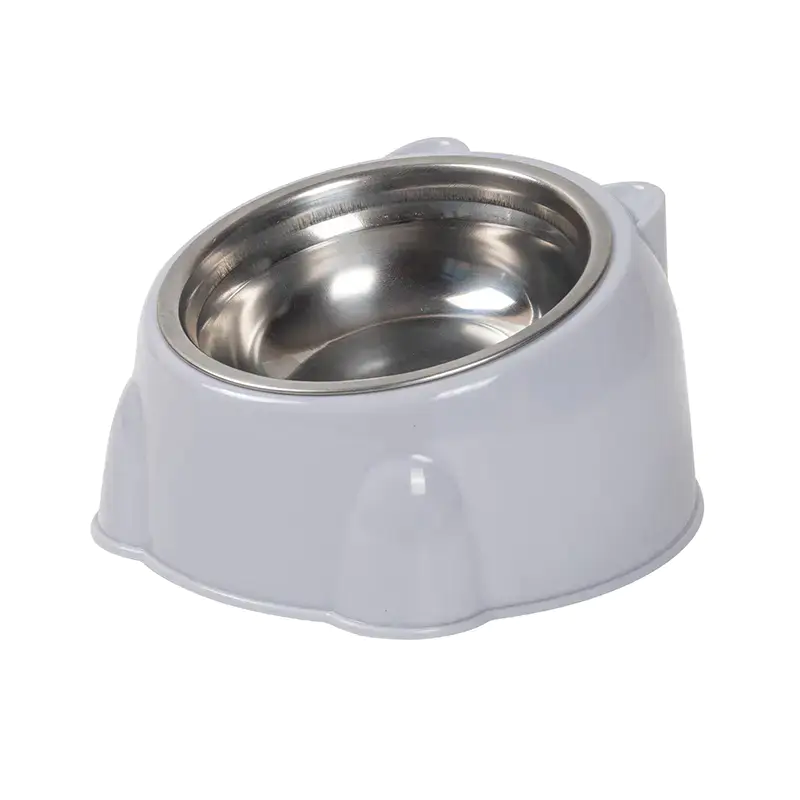
A raised — or elevated — bowl lifts the feeding surface off the ground using a stand, frame, or integrated pedestal. The animal eats and drinks at a height closer to chest or shoulder level rather than bending the neck fully downward.
This single change in geometry affects several things at once:
- Neck and spine angle during eating becomes more neutral
- Shoulder and front leg strain from sustained downward reach is reduced
- Swallowing mechanics may improve when the throat is less compressed
- Food and water access becomes easier for animals with limited range of motion
For senior pets with arthritis, hip dysplasia, or general joint stiffness, these are not minor adjustments — they affect whether eating is uncomfortable enough to discourage the animal from finishing meals.
Why Joint Pain Makes Floor-Level Feeding a Problem
The Mechanics of the Problem
A healthy young dog bending to a floor-level Pet Food Drinking Bowl absorbs that posture easily. The same posture on an older animal with inflamed joints is a different experience. Sustained neck flexion places load on the cervical spine. Front legs bear additional weight during the lean. Over time, this can cause animals to eat less, eat faster to minimize discomfort, or show reluctance at mealtimes.
What Pet Owners Typically Notice
Behavioral signals often appear before owners connect them to the bowl height:
- The animal eats standing at an angle, avoiding full forward lean
- Meals are left partially unfinished without obvious appetite loss
- The animal shows hesitation approaching the bowl
- Gulping and regurgitation increase as the animal rushes through feeding
These observations drive the purchase decision for raised bowls — often on veterinary recommendation, sometimes through research. For retailers, understanding this customer journey helps position the product accurately.
The Three Core Benefits Worth Communicating
1. Reduced Physical Strain During Feeding
Raising the bowl to a height roughly aligned with the pet's lower chest removes the need for sustained neck flexion. This is the primary functional benefit and the one most frequently cited in veterinary guidance. For large and giant breeds, the height difference between floor and shoulder level is substantial — making raised bowls particularly relevant in that segment.
2. Potential Digestive Improvement
When an animal eats with its neck angled downward, gravity works against the swallowing process to some degree. An elevated position can ease food transit and reduce the likelihood of regurgitation in some animals. This benefit is more consistently observed in larger breeds and animals with specific swallowing challenges — retailers should communicate it as a potential benefit rather than a guaranteed outcome.
3. Psychological Comfort at Mealtimes
An animal that associates the bowl with discomfort will approach meals differently — more slowly, more reluctantly, or with visible tension. Removing the physical barrier to comfortable eating can restore enthusiasm and consistency at mealtimes. For owners caring for aging pets, this behavioral shift is often what they remember and what generates positive reviews and repeat purchases.
Raised Bowl Design Variations: What Buyers Need to Know
The elevated bowl category covers a wider range of formats than the name suggests. Each format serves a different segment of the market.
Fixed-Height Feeding Stations
A rigid frame at a set height, usually holding two bowls — one for food, one for water. Simple to manufacture, straightforward to clean, and accessible at a range of price points. This is the standard entry point for most retail ranges.
Adjustable-Height Frames
Allow the bowl height to be modified as the animal's needs change — useful for growing dogs, animals recovering from surgery, or households with multiple pets of different sizes. These carry a higher price point and a clearer functional story for health-oriented retail channels.
Tilted or Angled Bowl Designs
Some elevated designs incorporate a slight tilt to further reduce neck strain, particularly for animals with cervical joint issues. A niche format, but relevant for specialty pet retail and veterinary supply channels.
Material Considerations
The frame and bowl materials each carry trade-offs:
| Component | Common Materials | Practical Notes |
|---|---|---|
| Bowl | Stainless steel | Hygienic, dishwasher-safe, durable |
| Bowl | Ceramic | Heavier, stable, decorative options |
| Bowl | Plastic | Lightweight, lower cost |
| Frame | Bamboo / wood | Aesthetic appeal, indoor use |
| Frame | Stainless steel | Durable, easy to wipe clean |
| Frame | Plastic | Lightweight, lower cost, less stable |
For senior pet products specifically, stainless steel bowls in a stable frame tend to generate fewer complaints — the bowl doesn't move during feeding, which matters more for animals with reduced mobility.
Selecting the Right Height: A Practical Framework
Height matching is where many buyers and retailers feel uncertain. The general principle is straightforward: the bowl rim should sit at approximately the animal's lower chest height, so the neck is roughly horizontal — not lifted or dropped significantly — during eating.
A practical way to communicate this to retail customers:
- Measure the animal's height at the shoulder (withers) when standing
- Subtract a modest amount for the distance from shoulder to lower chest
- Use that figure as a target range for bowl rim height
- For cats, lower elevations are typically appropriate given their smaller frame and different feeding posture
- For animals with severe arthritis, a veterinary recommendation on height is worth suggesting
This sizing logic informs which height SKUs to stock. A range covering small, medium, and large formats — with clear sizing guidance on packaging — reduces customer confusion and returns.
Cleaning and Maintenance for Elevated Designs
Raised feeders introduce one additional consideration that flat bowls don't: the frame itself needs cleaning. Food debris, saliva, and spills collect around the bowl rim and on the stand surface over time.
Practical notes for product selection and retail communication:
- Removable bowls make cleaning significantly easier — this should be standard
- Dishwasher-safe bowls are a baseline expectation for most retail buyers
- Frame materials matter for hygiene: open-frame designs (legs rather than solid panels) are easier to wipe down
- Non-slip feet on the frame prevent movement during feeding and reduce floor mess
A frame that traps food residue or is difficult to disassemble will generate hygiene complaints regardless of how well the bowl itself performs.
How This Category Fits Into a Broader Pet Food Drinking Bowl Range
Raised bowls are not a replacement for standard Pet Food Drinking Bowl formats — they are an addition that addresses a specific life stage and health context. A well-structured wholesale range typically includes:
- Standard flat bowls for everyday use across all age groups
- Raised feeding stations for senior pets, large breeds, and post-surgical recovery
- Adjustable-height designs for versatility across household pet types
- Travel bowls for portable hydration and feeding
Retailers stocking raised bowls alongside standard formats can serve the full pet ownership journey — from puppy to senior — without directing customers to a competitor when their pet's needs change.
Sourcing Raised Bowls: What to Evaluate
Before placing orders, buyers working through a raised bowl range should confirm:
- Stability of the frame under feeding weight — request samples and test with a filled bowl
- Bowl removal mechanism — tool-free removal is preferable for end-consumer ease
- Height options available — single-height or adjustable, and what the range covers
- Certification on bowl materials — food-grade compliance (LFGB, FDA, REACH) for any bowl in contact with food or water
- Packaging and sizing guidance — clear height-to-breed matching information reduces return rates
- MOQ and lead times — particularly relevant for seasonal pet wellness campaigns
Work with a Manufacturer Who Covers the Full Range
A reliable supply partner for raised bowls should also cover the wider Pet Food Drinking Bowl category — so procurement stays consolidated and product quality stays consistent across formats. Opey designs and manufactures pet feeding products across standard bowls, elevated feeding stations, and adjustable designs, working with buyers on OEM and ODM projects with custom branding and packaging support. Reach out to Taizhou Opey Pet Products Co., Ltd. for product catalogs, samples, or pricing on raised bowl formats — and build a senior pet range that gives your retail partners something genuinely useful to recommend.