
 English
 中文简体
中文简体 русский
As pet care routines evolve, devices that encourage consistent hydration are drawing attention from veterinarians, trainers, and pet owners alike. The Opey Pet Water Fountain has emerged in conversations as a potential aid for pets that drink irregularly or live in busy households. Experts and caretakers say the steady availability of moving water may support hydration habits, but adoption depends on sensible placement, routine upkeep, and matching the device to household routines.
Why water delivery matters for pets
Hydration underpins many aspects of animal health, from kidney function to digestion and coat condition. Pet owners who report more frequent vet visits for urinary or kidney issues often find that encouraging steady drinking can reduce flare-ups. Running-water devices are attractive because they tap into animals’ instincts: flowing water signals freshness and can prompt animals that otherwise sip rarely to drink more often.
- Behavioral nudge: Moving water tends to draw attention and can change a pet’s drinking pattern.
- Consistent supply: A fountain that circulates water reduces the risk of a pet encountering a warm, stagnant dish.
- Cleaner surface: Circulation and basic filtration can limit visible debris between cleanings.
How the device supports cleaner water
A key advantage seen with pet fountains is that many include simple filtration elements that remove hair, food particles, and other visible matter. This keeps the drinking surface clearer between cleanings and may reduce unpleasant odors. For multi-pet households, maintaining cleaner water can lower competition over fresher sources and help quieter animals feel comfortable drinking.
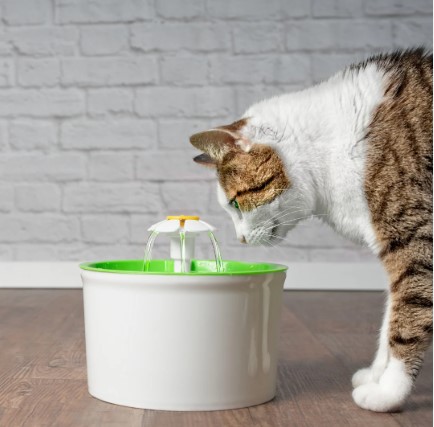
What owners should expect from the cleaning routine
While the idea of continuous fresh water is appealing, a fountain requires regular attention to stay hygienic. Owners are advised to establish a maintenance schedule that fits their lifestyle so that the benefits are realized without introducing hidden risks.
- Rinse and wash components regularly to remove biofilm and mineral buildup.
- Inspect and clean pump areas to keep flow steady and quiet.
- Replace or refresh filtration elements as recommended by the device instructions.
Hydration benefits versus upkeep considerations
| Topic | Benefit | Consideration |
|---|---|---|
| Attraction | Moving water encourages pets to drink | Some pets need time to accept a new source |
| Water quality | Filtration removes visible debris | Filters need periodic cleaning or replacement |
| Supply stability | Larger reservoir means fewer top-ups | Reservoirs require full cleaning on a schedule |
| Temperature | Circulation keeps water cooler | Location affects ambient warming |
| Multi-pet access | Multiple pets can drink throughout the day | Placement should prevent crowding at the device |
Placement and household factors
Where a water fountain is placed can influence whether pets use it and how well it performs. Positioning away from food bowls and litter areas reduces cross-contamination and keeps the water source associated with drinking alone. Additionally, placing the fountain in a low-traffic corner helps shy animals approach it without stress, while more open placement can suit confident or multiple animals.
- Keep the fountain in a calm area to encourage timid pets.
- Avoid proximity to heat sources that could warm the water.
- Consider multiple units in large homes or where pets have separated living areas.
Observed behavior changes in pets
Caretakers who introduce a running-water source often report a shift in behavior: some cats and dogs visit the fountain more frequently, and pets that previously drank little begin to sip throughout the day. These changes may translate into observable health benefits over time, such as fewer concentrated urine episodes or steadier hydration signals during hot weather or higher activity levels.
When a fountain may not be the right fit
Not every household will see gains from a fountain. Settings where maintenance is irregular, where pets are stressed by new devices, or where water quality is difficult to control may offer limited advantages. In those cases, simple measures — more frequent bowl changes, multiple bowls around the home, or strategic placement — can still support healthy drinking habits.
Practical alternatives
- Increase the number of standard water bowls and refresh them multiple times daily.
- Offer chilled water in summer to encourage drinking without a device.
- Use shallow dishes for older animals that may find taller reservoirs difficult.
Veterinary perspective on hydration devices
Veterinary professionals view fountains as one part of a hydration strategy rather than a single fix. For animals with particular health concerns, such as certain urinary conditions, any change in water access should be discussed with a clinician. Monitoring the animal’s drinking behavior and any concurrent health indicators remains important after introducing a fountain.
Cost of ownership beyond purchase
Beyond the initial investment, owners should account for ongoing tasks such as filter upkeep, occasional pump checks, and periodic deep cleaning. These steps are small but essential to preserve the fountain’s benefits and to avoid surprises like reduced flow or biofilm formation that could deter pet use.
Final guidance for pet owners and caretakers
A pet fountain can nudge drinking habits toward healthier patterns by offering continuously moving, cooler water and by reducing visible debris between cleanings. The Opey Pet Water Fountain may be a useful option for households that can commit to a routine of cleaning and inspection and that place the device where pets feel comfortable accessing it. Trialing a fountain in a familiar corner and observing behavior across several weeks can help caretakers decide whether it fits their pets’ routines. For product details and accessory options, see tallfly.