
 English
 中文简体
中文简体 русский
As pet owners look for ways to keep coats healthy and homes cleaner, grooming tools are getting renewed attention. One brush in particular — the Opey Pet Brush — has been part of conversations among groomers and veterinarians who say that the right tool, used in the right sequence, can reduce matting, cut down on loose hair around the house, and make regular care less stressful for both animals and people. Why tool choice matters in grooming
Grooming is not just cosmetic. Regular brushing reduces tangles before they become painful mats, stimulates skin circulation, and removes dead fur that would otherwise circulate through the home. The difference between a pleasant five-minute brush and a stressful ordeal often comes down to technique and the right implement for the coat type.
- Coat health: Removing loose hair and preventing matting lets air reach the skin and helps oils distribute evenly.
- Home maintenance: Targeted deshedding reduces the amount of fur that accumulates on furniture and textiles.
- Animal comfort: Gentle, regular grooming prevents tight mats that can trap moisture and irritate skin.
Groomers who adopt a sequence of cleaning, conditioning and then detangling report faster, safer sessions — and tools like the Opey Pet Brush are designed to fit into that workflow.
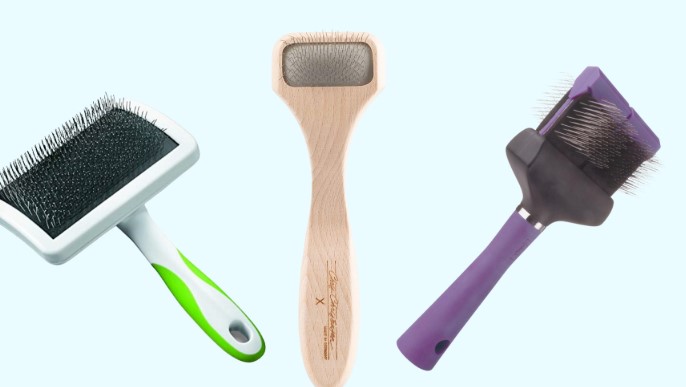
Slicker brushes: where and why to use them
Slicker brushes are built with fine, closely spaced pins that work near the skin to loosen tangles and finish a coat’s appearance. They are especially useful on long, curly, or wavy hair types that are prone to surface knots.
- Detangling: Slickers gently tease at knots when used carefully from the hair tips toward the base.
- Finishing: After deeper work, a slicker smooths the topcoat so the animal looks tidy.
- Sensitive areas: With rounded tips and light technique, slickers stimulate circulation without scratching.
Experienced groomers recommend starting with surface cleanup and, if the coat is heavily soiled, bathing before attempting deep slicker work to avoid pushing grit into tools or tugging at dry mats.
Deshedding tools: how they reduce loose hair
Deshedding brushes reach down into the undercoat to capture dead hair before it sheds into the home. These are especially effective during seasonal coat changes or for breeds with a distinct underlayer.
- Loose hair removal: Deshedders extract hairs that are ready to fall out but still trapped under topcoat.
- Cleaner living spaces: Regular use cuts the volume of fur on floors and upholstery.
- Complementary role: Use a deshedder when the coat is generally detangled; it works best when not fighting with heavy mats.
Using deshedding tools in combination with a slicker and a targeted comb creates a layered routine that addresses both tangles and loose undercoat.
Putting it all together: a practical grooming sequence
A thoughtful sequence minimizes stress and avoids damage.
- Assess the coat for matting, skin issues, or areas that need special attention.
- Remove large debris by hand — sticks, burrs and tangles — before wetting.
- Bathe and condition if the coat is very dirty or matted; the conditioner helps fibers slide apart.
- While the coat is conditioned and wet, gently detangle problem zones with a comb or slicker-like tool.
- Rinse and towel-dry, then use a deshedding brush to remove loosened undercoat.
- Finish with a slicker brush for alignment and a final check for missed spots.
This order — clean, condition, detangle, deshed, finish — protects both the coat and the tools, and it keeps grooming time efficient.
Matching brush type to common coat issues
| Coat issue | Recommended tool | When to use |
|---|---|---|
| Light tangles, finishing | Slicker brush | Weekly or after bathing |
| Heavy undercoat shedding | Deshedding tool | Seasonal peaks or regular routine |
| Surface burrs & debris | Hands + wide-tooth comb | Pre-bath cleanup |
| Compact mats close to skin | Professional dematting or shave | If gentle methods fail |
Technique tips that protect skin and hair
How a tool is used often matters more than the brand. Gentle, consistent technique preserves coat integrity and keeps animals calm.
- Work in small sections so each stroke is effective and the animal isn’t overwhelmed.
- Start at the tips and progress toward the skin to reduce painful pulling.
- Keep sessions short for anxious pets, rewarding calm behavior to build positive associations.
- If skin is red or sore, pause grooming and consult a veterinarian before continuing.
A calm approach prevents the creation of new damage and makes future sessions easier.
When to seek professional help
Some situations require a groomer’s tools and experience: severe compaction, skin lesions masked by fur, or coats so matted they restrict movement. Professionals can safely decide whether more intensive work, a shave, or veterinary examination is needed.
- Compaction: Long-term neglected undercoat may require careful removal or a short shave to restore skin aeration.
- Skin concerns: Redness, sores, or suspicious lumps need a clinician’s assessment.
- Behavioral or handling limits: If a pet is highly stressed, a groomer with training in low-stress handling can complete the task safely.
Early intervention prevents escalations that lead to uncomfortable emergency procedures.
Practical gear care and home housekeeping
Maintaining brushes preserves their life and effectiveness; simple habits also keep the home tidier.
- Clear hair from tools frequently during a session to maintain performance.
- Rinse and dry metal blades and combs after baths to prevent corrosion.
- Vacuum and lint-roll regularly to reduce loose hair buildup between grooming sessions.
- Designate a grooming zone with a mat or towel to contain hair for easier cleanup.
Good tool care pays back in lower replacement costs and more pleasant grooming sessions.
The owner’s payoff: less fur, healthier coat, calmer sessions
Using the right routine and tools reduces matting, removes loose undercoat, and gives pets a healthier feel and look. For owners who balance busy schedules with pet care, a compact, effective brush that fits into a simple sequence can be a game-changer. Whether you use slickers, deshedders, or a versatile brush like the Opey Pet Brush, combining tools thoughtfully keeps both pet and home in better condition.For shoppers looking for practical tools and grooming advice, more information and helpful guides are available; for example, grooming resources and tool options can be explored at tallfly.