
 English
 中文简体
中文简体 русский
In households with pets, the constant battle against shedding fur is a familiar challenge. Pet hair seems to find its way onto every surface—from furniture and clothing to car interiors. While countless tools promise solutions, truly effective Pet Hair Remover Comb designs stand apart through scientific engineering and thoughtful design.
How Do Engineered Teeth and Blades Target the Undercoat?
The fundamental difference between ordinary combs and high-performing pet hair removal tools lies in the design of their teeth and blades. Unlike basic combs that merely skim the surface, engineered teeth are strategically designed to reach deep into your pet's undercoat without harming the skin . This undercoat is typically the primary source of shedding problems, as it consists of dense, soft fur that becomes loose and dead over time. Effective deshedding combs feature blades that glide through the topcoat to safely access and remove this loose undercoat before it ends up on your furnishings .
The angle, thickness, and arrangement of these teeth contribute significantly to their effectiveness. For instance, some tools incorporate a Stainless steel deShedding edge that reaches through the topcoat while maintaining a curved edge that glides over the skin, preventing digging and discomfort . The spacing between teeth is equally crucial—wider spacing handles thick, dense coats more effectively, while narrower spacing works better for fine hair and finishing touches . Additionally, round tips on the teeth enhance safety by reducing the risk of scratching or irritating your pet's skin during grooming sessions .
Why Does Static Electricity Matter for Pet Hair Removal?
For removing hair from surfaces rather than directly from pets, static electricity becomes a powerful ally. This approach relies on a basic scientific principle: opposites attract. When certain materials rub against surfaces, they create an electrostatic charge that acts like a magnet for pet hair . Pet hair naturally becomes positively charged as it rubs against furniture, clothing, and other surfaces, while tools made from rubber or special fabrics pick up a negative charge through friction .
This phenomenon explains why rubber and silicone tools are particularly effective at lifting stubborn, embedded hair from carpets and furniture . The electrostatic attraction not only removes hair from surfaces but also causes loose strands to clump together, making disposal cleaner and more efficient . Unlike sticky rollers that require ongoing refills, electrostatic tools offer a reusable solution that harnesses natural physics rather than adhesives, making them both economical and environmentally friendly .
Why Does Tooth Configuration Vary Across Different Combs?
Just as pets come with different coat types, grooming combs feature varied tooth configurations to address specific needs. The length, spacing, and arrangement of teeth should correspond to your pet's fur characteristics . For thick, dense coats, longer teeth with wider spacing prove more effective at penetrating deep into the fur and removing mats . Conversely, fine or short coats may require closer tooth spacing for optimal results.
Many effective combs employ variable spacing within a single tool, featuring wider teeth on one side for initial detangling and finer teeth on the opposite side for finishing work . This dual approach allows users to address multiple grooming needs with a single tool, working through mats and tangles before smoothing the coat to a polished finish. For pets with particularly dense undercoats, undercoat-specific tools with curved edges conform to the pet's natural shape, enhancing both comfort and effectiveness .
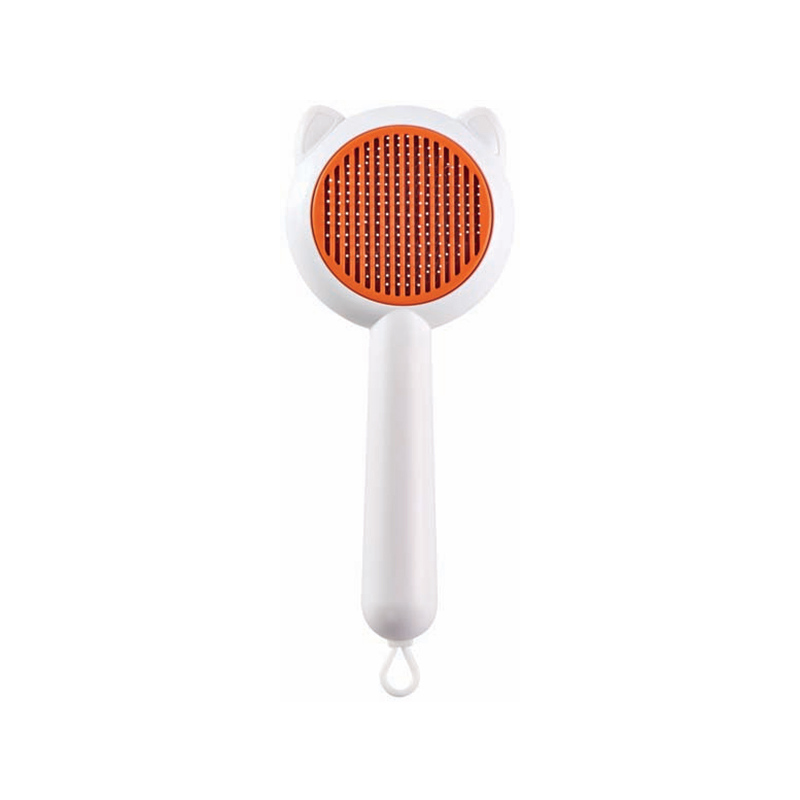
How do you match tooth spacing to coat type?
Match spacing to hair density and curl pattern:
• Wide spacing — for thick, highly matted, or very long fur; helps to riffle through tangles without collecting everything into a painful knot.
• Medium spacing — for general-purpose work on mixed-length coats; this is the common everyday setting.
• Fine spacing — for finishing passes and short dense coats; pulls residual undercoat without tugging.
A single comb that includes multiple spacing zones (or removable heads) maintains performance across multiple breeds and reduces the need for owners to purchase several single-purpose tools.
Why Are Certain Materials More Effective for Hair Removal?
The materials used in Pet Hair Remover Combs significantly influence their performance, longevity, and safety. High-quality metals like hardened, tapered steel pins offer durability and effective penetration through dense coats . These materials maintain their shape and functionality even with regular use, unlike plastic alternatives that may bend or break under pressure. The material composition also affects how smoothly the comb glides through the coat—some premium combs feature chrome coating that provides optimal glide and resistance to moisture and wear .
For surface hair removal rather than direct grooming, rubber and silicone materials excel due to their natural ability to generate static electricity . The density and flexibility of these materials allow them to conform to various surfaces while creating the friction necessary to build an electrostatic charge. Additionally, these materials are generally safe for multiple surfaces, preventing scratches on delicate materials like leather upholstery or wooden furniture .
What Considerations Guide Comb Selection for Different Pet Coat Types?
Selecting the appropriate Pet Hair Remover Comb requires understanding your pet's specific coat characteristics. Coat thickness, texture, and length all dictate which tool will prove most effective . For instance, breeds with curly or wiry coats often require regular combing to prevent mats and maintain coat integrity, while double-coated breeds benefit from tools designed to remove loose undercoat without damaging the protective topcoat .
The consequences of using an improper comb can include discomfort for your pet, incomplete grooming, or even coat damage. Wide-toothed combs typically work better for long, thick, or easily tangled fur, as they can navigate through the coat without excessive pulling . Conversely, short-haired breeds may benefit from combs with closer tooth spacing that can effectively capture and remove loose hairs from both the topcoat and undercoat. Tallfly's product selection guide helps pet owners navigate these considerations based on their specific companion's characteristics.
Does Price Always Correlate With Performance?
A prevalent misconception suggests that higher cost invariably indicates superior performance in pet hair removal combs. While quality materials and engineering often command higher prices, certain design fundamentals contribute more significantly to effectiveness than price alone. The most expensive comb may underperform if mismatched to your specific needs, while a moderately priced tool designed for your particular application can deliver impressive results.
Tallfly focuses on value optimization through designs that address core functional requirements without unnecessary complexity. The relationship between cost and effectiveness often follows a curve of diminishing returns—where basic tools provide substantial improvement over no tool, mid-range options typically offer the best balance of performance and affordability, and premium products may include features beneficial primarily for professional use or specific challenging situations.
Are Combs With More Teeth Always More Effective?
Another common assumption suggests that combs with greater tooth density automatically perform better. In reality, tooth spacing must align with the specific application to be effective . Overly dense teeth on a grooming comb may struggle to penetrate thick coats, becoming stuck or causing discomfort, while excessively wide spacing on a surface tool might miss finer hairs.
The purpose of the comb dictates the ideal tooth configuration. Grooming combs intended for initial detangling benefit from wider spacing, while finishing combs may feature tighter spacing for removing smaller loose hairs and creating a polished appearance . For surface hair removal, the arrangement of rubber bristles or silicone nubs affects both the static charge generation and the tool's ability to direct removed hair into collection areas for easy disposal.
How Has Technology Advanced Modern Pet Hair Removal Solutions?
Recent advancements in pet hair removal tools have focused on enhancing user experience and effectiveness through both material science and mechanical design. Improved understanding of electrostatic principles has led to more efficient rubber compounds and surface textures that generate stronger charges with less effort . Enhanced manufacturing techniques allow for more precise tooth configuration and smoother edges that glide through coats without snatching.
Tallfly's Approach to Pet Hair Removal Innovation
At Tallfly, our development process begins with recognizing that every pet and household presents unique grooming and cleaning challenges. Rather than creating one-size-fits-all solutions, we focus on designing tools with specific applications in mind, considering factors like coat density, shedding patterns, and common surfaces requiring hair removal. This targeted approach results in more effective products that perform reliably in their intended contexts.
Looking forward, we continue to explore emerging technologies and materials that can enhance hair removal effectiveness while maintaining safety and comfort. From improved electrostatic materials to more durable composite structures, we remain committed to the principle that the most effective tools are those that understand both the physics of hair removal and the practical realities of life with pets. Through this balanced approach, we strive to develop products that genuinely simplify pet hair management rather than merely adding to the collection of underperforming gadgets in your cleaning closet.