
 English
 中文简体
中文简体 русский
When you slide a grooming comb through a coat, a simple mechanical action is at work — and that is exactly where the Pet Grooming Comb sits in any grooming routine, right in the middle of removing tangles and giving a final pass that reveals the skin for inspection. A comb is not a decorative tool: it reaches closer to the skin than many brushes, separates fibers to expose knots, and makes it possible to detect small problems before they grow.
What does a Pet Grooming Comb do?
Think of your pet's coat like a complex ecosystem. Loose hair, dander, environmental dirt, and natural oils all mingle close to the skin. A brush excels at sweeping the top layer, grabbing loose fur and adding shine. But what happens underneath? This is where the comb's design shines. Its closely or widely spaced teeth are engineered to penetrate the coat's full depth, reaching down to the skin level. This action does several critical things that a brush simply cannot replicate effectively:
| Benefit / Focus | What it does | Why it matters | Notes / example |
|---|---|---|---|
| Mat & knot engagement | Comb teeth catch and hold small tangles so you can work them out strand by strand | Prevents tight mats near the skin and reduces later discomfort | Combs catch knots that brushes may push deeper |
| Skin inspection | Pulls coat aside to reveal the skin for close viewing | Helps spot redness, flaking, flea dirt, hot spots, or lumps early so you can seek veterinary advice sooner | Perform inspection during routine combing |
| Deep debris removal | Lifts dead hair, dander, dried mud, pollen and other particles from near the skin | Lowers shedding around the home and reduces skin irritation | Acts like a fine rake compared with surface-only brushing |
| Oil distribution from the source | Moves natural skin oils along the hair shaft from root to tip | Promotes natural conditioning and a healthier-looking coat starting at the skin | Work gently from the base of hairs outward |
| Prevents pain | Stops tight mats that tug and cause ongoing discomfort | Reduces anxiety and improves the animal’s comfort | Regular, gentle combing is preventive |
| Avoids skin trauma | Reduces the need for surgical or forceful mat removal | Preserves skin and coat health and lowers medical risk | Seek professional help if mats are already severe |
| Saves coat integrity | Prevents cutting that can leave holes or break the coat’s natural flow | Keeps the coat’s protective and appearance functions intact | Prefer combing over clipping when possible |
| Cost-effective | Reduces the need for professional dematting or full shave-downs | Lowers grooming and veterinary expenses over time | Regular home combing is economical |
| Tool note | A comb with smoothly polished teeth supports systematic, gentle detangling (example: Taizhou Opey combs) | Smooth teeth reduce snagging and protect the coat and skin during detangling | Choose combs with polished, rounded teeth and use a gentle technique |
How is a comb different from a brush when dealing with tangles and mats?
| Aspect | Brush | Comb | Practical implication |
|---|---|---|---|
| Coverage vs precision | Works over large surface areas to remove loose fur and move oils along the coat | Works with precision to tease apart knots and to check coat condition close to the base | Use a brush to cover and smooth; use a comb to inspect and detangle small areas |
| Force distribution | Spreads pressure across many bristles, giving a gentler, widespread action | Concentrates force at each tooth point, which helps loosen knots but needs careful handling | Start with a brush to reduce bulk, then switch to a comb for focused work |
| Diagnostic ability | Mainly affects outer hair and may not reveal skin-level issues | Parts the coat and allows visual/tactile inspection of skin for irritation, parasites, or unusual growths | Use the comb when you need to inspect skin or monitor problem spots |
| Tangle and mat handling | Removes loose hair and smooths the coat, which can make tangles easier to find | Catches and holds small tangles so you can work them out strand by strand | Combine tools: brush first, comb to finish and prevent mats |
| Retail / salon use | Seen as the tool for initial preparation and surface care | Seen as the precision tool for finishing, inspection, and detangling | Offering both together improves client outcomes and conveys professional care |
Is Detangling Really That Important? Can't I Just Cut Mats Out?
While cutting seems like a quick fix, it's often a last resort with significant downsides. Severe mats pull painfully on the skin, restricting movement and blood flow, creating hotspots, and hiding infections or parasites. Cutting them out risks nicking the delicate, bunched-up skin underneath. Regular combing is gentle prevention.
How should you use a grooming comb without causing pain or damage?
Good technique is more important than tool price. Follow these practical steps to make combing effective and gentle.
- Start with a calming routine: short, positive sessions reduce resistance.
- Pre-brush: remove loose hair with a brush to reduce the load on the comb.
- Hold and angle: tilt the comb slightly so teeth follow the hair's natural lay; a small angle reduces skin scraping.
- Work in layers: lift the coat and comb a small patch from tip toward base to catch knots before they tighten. Use a detangler or conditioner for stubborn mats, but avoid forcing the comb; pause and work the mat from the edges inward.
- Monitor animal signals: if the pet flinches or tenses, pause and re-evaluate tool choice or add a break.
- Safety details: choose rounded tooth tips and corrosion-resistant metals to avoid catching or sharp abrasion near skin. Proper form and product pairing reduce the risk of creating new damage while removing an old mat.
How Can a Comb Actually Improve My Pet's Skin Health Beyond Just Fur?
The comb's ability to part the hair and reach the skin is its superpower for hygiene and health monitoring:
- Early Problem Radar: Think of each combing session as a skin check-up. You're physically feeling and visually inspecting areas often hidden by fur. Finding a small tick early is vastly different from discovering an embedded one weeks later. Noticing slight redness can prompt a vet visit before a hot spot erupts.
- Parasite Patrol: Fleas, flea dirt (looks like black pepper), ticks, and signs of mites are much easier to spot against the skin when the coat is parted by a comb. Early detection means faster, more effective treatment.
- Airflow & Moisture Balance: Removing packed undercoat and debris allows air to circulate better against the skin. This helps regulate temperature and reduces the damp, warm environment where bacteria or fungus can thrive, especially in thicker coats.
- Stimulating Circulation: Gentle combing action can stimulate blood flow to the skin, potentially promoting healthier follicle function.
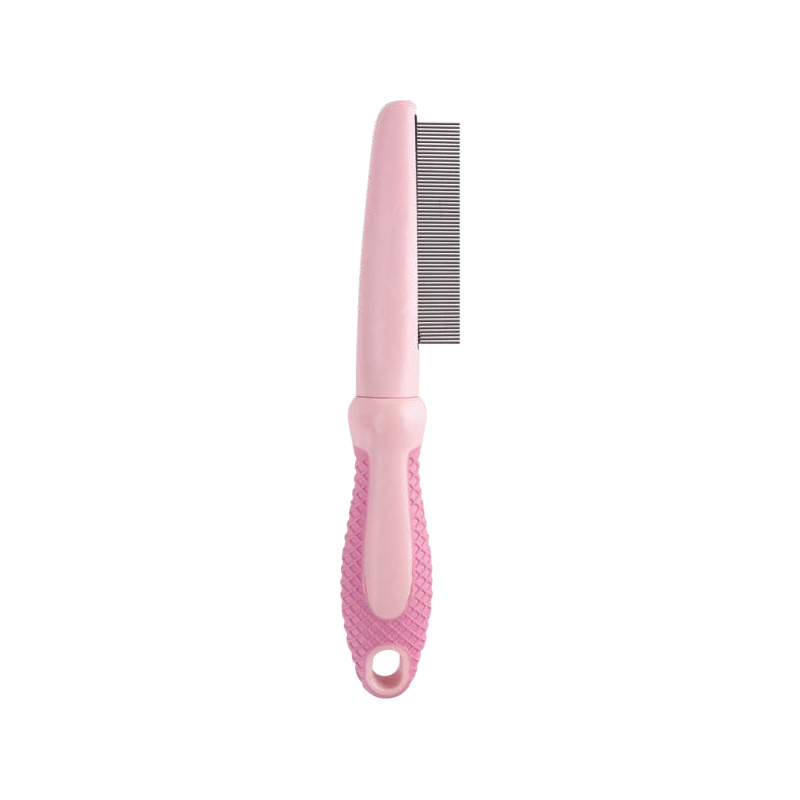
Which comb features actually change performance for different coats?
Not all combs are created equal. The interplay of tooth spacing, tooth length, material, and handle design determines function for a given coat type.
- Tooth spacing: wider spacing moves easily through dense undercoats and coarse hair; narrower spacing is better for fine or short coats.
- Tooth length and taper: longer teeth reach through long topcoats to the undercoat; tapered teeth ease through knots.
- Tip shape: rounded tips reduce the chance of skin scraping; square tips can cause discomfort.
- Material: stainless surfaces resist corrosion from bathing and cleaning; plated metals must be inspected for wear.
- Handle ergonomics: slip-free grips and balanced weight reduce handler fatigue, which matters in high-volume settings.
- How manufacturers translate features into value: a comb with dual-tooth rows or an integrated rat-tail for sectioning becomes a multifunction tool, which can be promoted for either home users or professionals depending on build quality.
When should a comb be chosen over specialized de-shedding devices?
- This is a practical decision for technicians and pet parents, not a marketing slogan.
- If the issue is a localized mat or a diagnostic check of the skin, use a comb.
- If loose undercoat across large areas is the problem, a de-shedding blade or rake will be faster.
- For regular maintenance on long or curly coats, a comb helps prevent tight mats from forming when used routinely.
How Does My Pet's Personality Affect Combing Success?
Tailoring your approach is crucial for different temperaments. Tools alone won't work magic if the experience is negative:
- The Anxious Pet: Build trust slowly. Let them sniff the comb. Start with just one stroke on their favorite scratch spot, followed by a treat and stop. Gradually increase duration and area. Use a calm, quiet voice. Consider a comb with softer rubber-tipped teeth initially if noise or sensation is an issue. Taizhou Opey designs prioritize smooth handling to minimize startle factors.
- The Wiggly Wunderkind: Exercise first! A tired pup is a more cooperative pup. Use a grooming arm or have a helper gently stabilize. Break sessions into micro-bursts (1 minute combing, 1 minute play/treat). Focus on one small section per session. Engage them with a lick mat or chew toy.
- The Stubborn Soul: Offer choices. Let them approach the comb. If they resist, put it down and try again later. Sometimes letting them "win" by stopping avoids escalation. Make high-value rewards contingent on allowing just one gentle comb stroke. Consistency and patience are key over force.
- The Senior Citizen: Be extra gentle on aging skin and arthritic joints. Support their body comfortably. Use a wider-spaced comb if their coat is thinning. Shorter sessions are a must. Focus on comfort, not perfection.
What safety, cleaning, and maintenance steps should be followed when using a Pet Grooming Comb?
Remove hair and debris immediately after use.
Sanitize with pet-safe disinfectant and thoroughly dry to prevent corrosion.
Inspect teeth for bending or burrs; replace if any deformation could snag hair.
Keep separate tools for different animals if dealing with allergies or skin conditions.
Isn't Combing Just for Long-Haired Pets? What About Short Coats?
This is a major misconception! While long-haired breeds undeniably require regular combing to prevent mats, short-haired pets benefit immensely too:
- Undercoat Removal: Many short-haired breeds (like Labs, Boxers, Pit Bulls) have dense undercoats that shed profusely. A comb (especially a shedding comb or fine-toothed comb) penetrates to lift out this dead undercoat far more effectively than many brushes, significantly reducing shedding around your home.
- Skin Inspection: Short coats can still hide skin issues. Combing ensures you part the hair to thoroughly check the skin for bumps, parasites, or irritation.
- Massage & Stimulation: Gentle combing stimulates the skin and promotes circulation, benefiting all coat types.
- Post-Bath Check: Running a fine-toothed comb through a short coat after bathing helps ensure no soap residue is trapped and gives a sleek finish.
Besides the brand, what else should you pay attention to when choosing a comb?
While quality matters, focus on your pet's specific needs:
- Long/Thick/Curly: Start with a medium or wide-spaced comb for detangling, finish with a fine-toothed comb. Consider a combination comb (different spacing on each end).
- Short/Smooth: A fine-toothed comb for undercoat removal and skin checks is ideal. A rubber curry brush might be used first, but the comb does the deep work.
- Double Coated: A combination of a de-shedding tool, slicker brush, and ultimately a medium or fine comb for undercoat removal and finishing.
- Tooth Length & Flexibility: Longer teeth are needed for very thick coats. Some combs have slightly flexible teeth for gentler maneuvering.
- Your Pet's Sensitivity: If your pet is highly sensitive, prioritize combs with rounded teeth tips or consider rubber-tipped options for initial introduction, moving to polished metal as they accept it.
- Your Comfort: An ergonomic, non-slip handle reduces your hand strain, making you more patient during grooming. A comfortable groomer is a gentle groomer.
Precision grooming is no longer a niche practice but a fundamental aspect of proactive pet wellness. The grooming comb, often overshadowed, emerges as the essential diagnostic and preventative tool that reaches where brushes cannot. By integrating regular, gentle combing into your routine—using well-crafted tools designed for comfort and effectiveness—you actively safeguard your pet against hidden discomfort, promote optimal skin and coat health, and transform grooming into a powerful ritual of care and early detection, strengthening the invaluable bond you share.