
 English
 中文简体
中文简体 русский
Many pet owners find themselves in the grooming aisle, facing shelves full of brushes and combs and unsure which ones will suit their pet. The line between a calm grooming session and one that feels difficult often comes down to selecting tools that fit the pet's coat type. When you choose something like the Opey Pet Grooming Comb or another well-made tool and take your pet's coat into account, regular care becomes a straightforward, shared moment that benefits both of you.
What Makes Long Hair and Short Hair So Different?
The way your pet's coat is built changes how grooming needs to be handled. Long-haired pets tend to develop tangles deeper in the fur, where loose dead hairs wrap around growing strands and form knots that can tug on the skin. These coats call for tools that reach through several layers without catching or snapping the longer outer hairs. Short-haired pets usually don't form tangles, but they shed steadily, letting fine hairs work their way into upholstery, carpets, and clothes. Grooming for them centers on lifting out loose fur quickly while gently working the skin to support healthy coat growth.
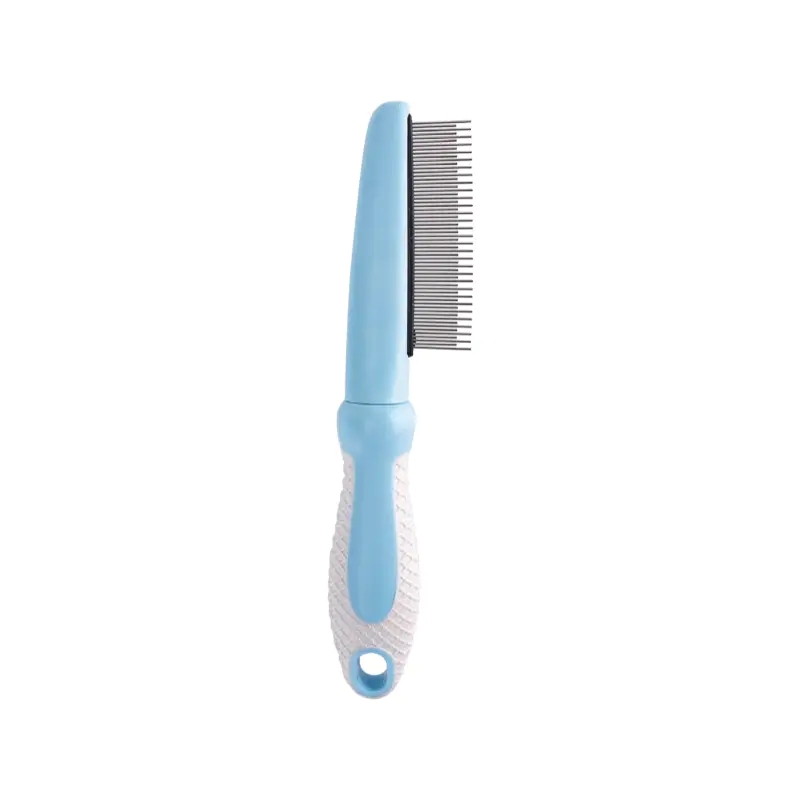
Knowing whether your pet has a single coat or a double coat adds another consideration. Single-coated breeds grow one continuous layer of hair that keeps lengthening until cut. Double-coated breeds have a dense, soft undercoat covered by longer guard hairs; the undercoat sheds heavily at certain times of year, producing large amounts of loose fur that surface brushing alone often misses. Curly coats and wire-haired textures bring their own patterns, with the coiled or stiff structure making tangles more likely and requiring careful, step-by-step work.
Choosing the wrong tool can affect more than appearance. Using something too harsh or mismatched can irritate the skin, snap hairs partway down the shaft and leave the coat looking uneven, or make grooming sessions uncomfortable enough that your pet starts to avoid or resist them.
Quick Answers: Which Tools Work for Each Coat Type?
For long-haired pets: Start with a wide-toothed comb as your main tool, then follow with a slicker brush to smooth things out and a dematting rake if needed for tougher knots. If you can only get one tool, go with a solid wide-toothed metal comb that has rounded ends. It handles early detangling, works through smaller mats, and leaves the coat neat.
- Advantages: Reaches deep into long fur, helps avoid breakage, gets close to the skin, suitable for wet or dry coats, built to last
- Limitations: Takes steady technique and patience, can pull if rushed, might overlook very small tangles, requires cleaning after use
For short-haired pets: A rubber grooming glove or a brush with soft natural bristles works well to collect loose hair while giving the skin a light massage. The rubber glove often feels more like regular petting, which many pets accept easily.
- Advantages: Sessions stay short, feels comfortable for most pets, gathers loose fur effectively, simple to rinse clean, usually inexpensive
- Limitations: Not useful for any mats that appear, less detailed than metal tools, wears down over time, can create some static
Can one tool work for both? In most cases, no. The spacing, depth, and firmness suited to long coats would feel too rough on short ones, while tools gentle enough for short coats don't reach far enough into longer fur. Homes with pets of different coat types usually need separate tools for each.
How often should you groom?
- Long-haired animals: Daily quick checks help stop mats before they start, with more complete sessions about three times a week
- Short-haired animals: Once a week is often enough in normal conditions, moving to every other day when shedding picks up
The Complete Toolkit: Understanding Each Tool's Purpose
Slicker Brush
This flat brush with fine, angled wire pins works well to smooth long and medium coats once major tangles are gone. The bent pins lift loose hair and ease through small knots without the direct pull of a comb. Move it lightly in the direction of hair growth using short strokes. Keep pressure gentle to avoid scratching the skin with the tips.
Wide-Tooth Comb
With its wider spacing, this comb should come first on long, medium, or curly coats. It moves smoothly past tangles that would snag finer tools, letting you spot trouble spots early. Metal versions with rounded, smooth tips offer a good mix of durability and care for the coat and skin.
Fine-Tooth Comb
After tangles are cleared, a fine-toothed metal comb gives a polished finish on coats of any length. Its close teeth also make it useful for finding small parasites that wider tools might overlook. For short-haired pets that get occasional knots around the ears or tail base, this may be the main comb needed.
Dematting Tool and Mat Splitter
For mats that won't come apart with regular combing, these tools have blades that cut through the tangle in lines, keeping as much length as possible. Work slowly and always hold the fur close to the skin so the blade stays away from it. These are options to use only after careful hand detangling hasn't worked.
Undercoat Rake
This tool, with its long, widely spaced teeth, is made for double-coated breeds. It reaches past the outer guard hairs to pull out loose, dead undercoat without pulling on or damaging the top layer. Bring it out especially during heavy shedding times to clear away large amounts of trapped fur that regular brushes usually leave in place.
Pin Brush vs Bristle Brush
Pin brushes have rounded tips, usually metal or plastic, set on flexible posts; they work well for long coats that need careful detangling and smoothing. Bristle brushes use tightly packed natural or synthetic fibers and are best for short, smooth coats to lift surface dirt and spread natural oils evenly. Neither one reaches deep enough to handle thick undercoats or major tangles.
Rubber Grooming Glove and Curry Comb
These turn grooming into something closer to a gentle massage. The rubber nubs lift loose hair while lightly stimulating the skin and helping natural oils move through the coat. Short-haired pets tend to accept them readily since the motion feels similar to being petted. Work in small circles to loosen dead fur, then stroke along the direction of hair growth to gather it up.
Matching Your Approach to Coat Characteristics
| Coat Type | Primary Tools | Session Frequency | Key Technique |
|---|---|---|---|
| Long single coat | Wide-tooth comb, pin brush | Daily light, thorough 3x weekly | Work in sections from tips toward skin |
| Short single coat | Rubber glove, bristle brush | Weekly, more during shedding | Follow growth direction with firm strokes |
| Long double coat | Undercoat rake, slicker brush, wide-tooth comb | Every other day | Remove undercoat first, then smooth topcoat |
| Short double coat | Deshedding tool, rubber glove | Weekly, daily during seasonal sheds | Deep undercoat removal followed by surface grooming |
| Curly | Wide-tooth comb, pin brush | Every other day | Prevent matting with frequent gentle sessions |
Working With Long-Haired Animals
Look over the whole coat at the start of each session to spot any mats, especially in places that rub together such as behind the ears, under the legs, and around the collar. Always begin combing from the hair ends and move slowly toward the skin, working one small section at a time. Starting from the skin outward drags the tool through every tangle at once, which can cause discomfort and sometimes break hairs. Hold the base of each section with your other hand to keep tension off the skin.
Use a wide-tooth comb first to find any problem spots. When you hit a tangle, stop and avoid forcing the comb; loosen it gently with your fingers or use a mat splitter if needed. After clearing the knots, go over the coat with a slicker brush to smooth it and pick up stray hairs, then finish with a fine-tooth comb for an even look.
Working With Short-Haired Animals
Short coats don't usually mat, so the focus stays on removing loose shedding hair before it spreads indoors. Begin with a rubber glove or curry comb, moving in circles against the direction of hair growth to lift dead fur away from the skin. Most pets find this gentle rubbing comfortable, and it helps encourage healthy coat growth. Finish by brushing in the direction of hair growth with a bristle brush to collect the loosened fur and spread oils evenly.
These sessions can stay short—often ten minutes or less for complete coverage. The quick pace and pleasant feel help make grooming something pets look forward to rather than avoid. In heavier shedding periods, doing this daily cuts down noticeably on fur buildup around the house.
Addressing Double Coats
Pets with dense undercoats need a two-step method. Start with an undercoat rake or similar deshedding tool, going carefully over the body to pull out dead insulating fur. The quantity removed can be surprising, but regular use keeps it from building up and creating tight mats with live hairs. After finishing the undercoat work, switch to a slicker or pin brush to smooth the outer guard hairs and remove any remaining loose fur.
Common Challenges and Solutions
Dealing with established mats: Don't try brushing straight through a mat—it usually pulls hard and doesn't get the job done. Use your fingers to carefully separate the mat from the outer edges, working small bits free at a time. A light mist of detangling spray can make stubborn knots easier to handle. For mats close to the skin, hold the fur between the mat and skin to avoid pulling, then use a mat splitter to cut vertically through the tangle, saving as much length as possible while freeing the knot.
Controlling excessive shedding: Shedding can't be stopped completely, but proper tools reduce the amount of loose fur around the home. Short-coated pets benefit from daily rubber glove sessions during peak shedding to catch hair early. Double-coated pets do well with undercoat raking every few days to clear out dead fur before it sheds on its own. More frequent gentle sessions usually work better than fewer intense ones.
Preventing broken hairs and frizz: Most damage happens from moving too quickly or using tools that are too firm. Start with the softest tool that suits the coat type and only switch to something stronger if needed. Brush or comb in the direction of hair growth as much as you can, and never push through resistance. Stop to deal with difficult tangles one at a time instead of forcing the tool past them.
Recognizing and avoiding skin irritation: Stop right away if the skin looks red, if your pet flinches suddenly or makes a sound, or if you see blood on the tool. Look closely at the skin for scratches, rashes, or parasites. Areas like the face, belly, and legs often need lighter handling. Pick tools with smooth, rounded tips rather than sharp ones, and test any new tool on a small spot first before doing the full coat.
Managing resistant or anxious pets: Pets that have had uncomfortable grooming experiences may become hesitant or defensive. Start rebuilding trust with very short sessions on areas they already like, such as the back or shoulders. Give favorite treats during the process and stop while everything stays calm. Slowly lengthen the sessions over time, always connecting grooming to rewards and ending on a positive note.
Creating Sustainable Grooming Routines
Daily Maintenance for Long-Haired Pets
Reserve about ten minutes each evening for a brief check and light grooming:
- Look over the coat for any new tangles or caught debris
- Use a wide-tooth comb on areas that tangle easily (behind ears, armpits, rear end)
- Lightly brush across the body to clear surface dirt
- Offer a treat and calm praise to keep the experience positive
Three times a week, turn this into a more complete session:
- Perform a full visual and hands-on check of the entire coat
- Divide the coat into sections and comb thoroughly from the ends toward the skin
- Address any mats by loosening or splitting them carefully
- Follow with a slicker brush to smooth the coat and gather loose fur
- Finish with a fine-tooth comb for an even look
- Check and gently clean ears, eyes, and paws
Weekly Sessions for Short-Haired Pets
Set aside around fifteen minutes once a week for a full grooming:
- Start with circular motions using a rubber glove to lift dead fur
- Brush firmly in the direction of hair growth with a bristle brush
- Give extra focus to shedding-prone areas such as the back and sides
- Wipe the coat with a slightly damp cloth to pick up remaining loose hairs
- Look over the skin for any lumps, redness, or signs of parasites
When shedding increases, move to every-other-day sessions using the same steps. Keeping the schedule steady helps your pet get used to grooming and see it as a regular part of the day.
Tool Safety and Material Considerations
Better tools usually have stainless steel teeth or pins that hold up well against rust and keep their shape over time. Plated metals can wear down with moisture, sometimes leaving rough spots that irritate skin. Plastic tools often bend under pressure and struggle to reach through thicker coats effectively.
The handle design affects comfort during use. Ergonomic shapes help reduce strain on hands and wrists for longer sessions, while balanced weight improves control in detailed areas. Non-slip surfaces keep the tool steady when it meets resistance. For people grooming several pets or with less hand strength, lighter tools with cushioned grips can make the task easier.
Every tooth and pin should end in smooth, rounded tips. Rough or sharp finishes can catch on skin or hair and cause discomfort. Before buying, run a finger along the teeth to confirm they feel even and smooth. Tooth spacing should match the coat density so the tool doesn't pull out too much hair at once, and the length should allow proper reach without needing heavy pressure.
Keep tools in a dry place, away from damp areas, and clean and dry them completely after each use. Store any sharp items like mat splitters in a case to avoid accidental contact when reaching for other supplies.
Evaluating Quality Before Purchase
When looking at tools in person or online, consider these points:
- Tooth spacing relative to coat density: Test against your pet's fur to see if the teeth move through without snagging
- Overall construction quality: Look for secure pins, steady handles, and cleanly finished edges
- Weight and balance: Very heavy tools tire hands quickly; overly light ones may lack strength
- Cleaning accessibility: Loose hair should come off the teeth easily rather than getting stuck
- Material durability: Check whether the metal or plastic holds up to regular use without rusting, cracking, or bending
Focus on reviews that mention long-term performance rather than first-use impressions, since some tools wear out faster than expected. A good return policy or warranty often shows the maker stands behind the product.
Maintaining Your Grooming Tools
Clear away collected hair after each session by pulling it from the teeth or using a small cleaning pick. Wash metal tools monthly with mild soap and warm water, then dry them fully to avoid rust. Plastic and rubber tools handle washing more often but can break down with strong cleaners or very hot water.
Check tools regularly for bent teeth, rough spots, or rust. Bent pins or teeth don't work as well and can snag on fur or skin. Replace any tool that shows clear signs of wear instead of continuing with it. In homes with more than one pet, clean tools occasionally with a pet-safe disinfectant to reduce the chance of passing skin issues or parasites between animals.
Quick Reference Guide
One-line recommendations:
- Long single coat: Wide-tooth metal comb with rounded tips
- Short single coat: Rubber grooming glove
- Long double coat: Undercoat rake plus slicker brush
- Short double coat: Deshedding tool plus bristle brush
- Curly coat: Wide-tooth comb plus pin brush
Five-step grooming checklist:
- Inspect the entire coat for tangles, debris, or skin concerns
- Start with the right tool for the coat type
- Work section by section without forcing through resistance
- Use finishing tools to smooth the coat
- Reward your pet and put tools away properly
Safety signals requiring immediate attention: Any bleeding or clear skin damage Sudden fear or aggressive reactions from a usually calm pet Redness or irritation that continues after grooming ends Sudden large areas of hair loss or bald patches
The key difference between a comfortable grooming routine and one that creates tension usually lies in picking tools suited to your pet's particular coat. Long-haired pets need items that move smoothly through longer fur and help prevent knots, while short-haired pets do better with tools focused on gathering loose hair effectively. Getting familiar with these differences and using the right approach turns grooming from a basic task into relaxed time together that supports your pet's comfort, coat condition, and overall wellbeing. Spending a short time choosing appropriate tools and learning how to use them leads to easier sessions, healthier fur, and a closer connection with your companion.