
 English
 中文简体
中文简体 русский
Most pet owners know that moment when their pet's coat starts to look less vibrant—when a gentle pet reveals hidden knots catching on fingers, or when loose fur seems to cover clothes and furniture no matter how often it's cleaned. The Opey Pet Grooming Comb helps manage these routine issues with a design that takes your pet's comfort and your available time into account. Instead of seeing grooming as something done rarely or handed off to professionals, this comb makes it possible to build a simple, regular practice that fits without effort into daily life. Getting a clear sense of how effective combing works and why the right tool makes a difference can shift grooming from feeling like a duty to becoming a straightforward part of keeping your pet healthy, with clear improvements often showing up after just a few weeks of steady use.
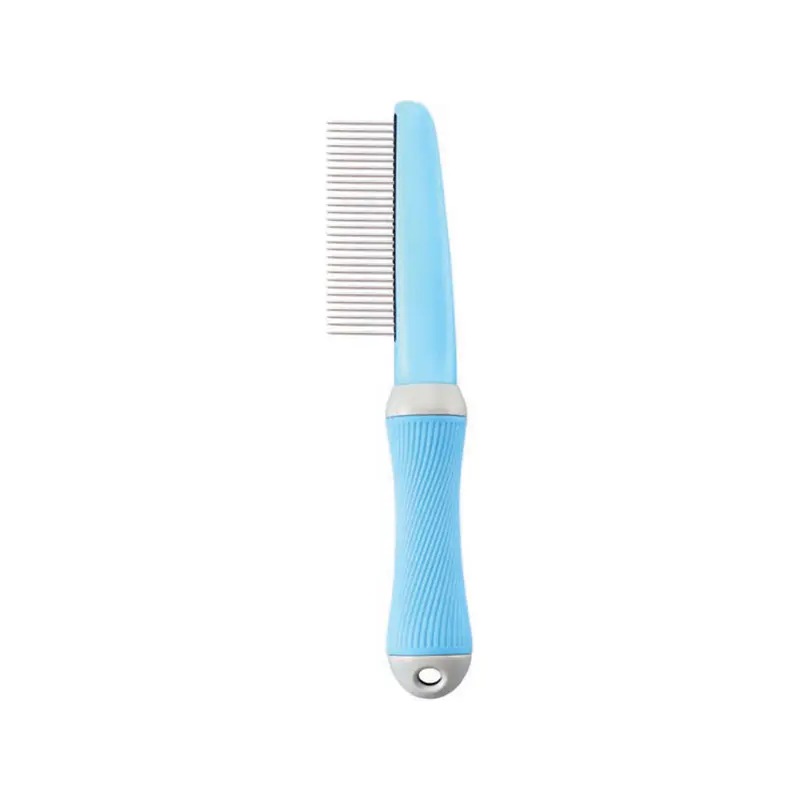
What You'll Gain From This Routine
Starting a regular grooming habit brings changes you'll notice at different stages:
- Immediate improvements include less loose fur scattered around your home and a noticeably smoother feel to your pet's coat after just one good session
- Within a few weeks, you may see a shinier coat as natural oils spread more evenly, along with fewer tangles forming in areas that tend to mat
- Over time, steady grooming lets you spot skin changes, parasites, or unusual lumps much sooner, while your pet becomes more relaxed with being handled and touched
This isn't about creating a perfect show-dog look. It's about supporting comfort, cleanliness, and health through a simple habit that fits into everyday life. Grooming also builds trust between you and your pet, creating calm moments of focused attention that many animals come to enjoy once they're used to the routine.
Why Brushing Actually Works
Understanding the reasons behind it helps explain why this basic step has such wide-reaching effects:
Oil Distribution
Skin produces natural oils that protect and condition both the skin and coat. Brushing carries these oils along the length of each hair, helping form a consistent protective layer. Without regular brushing, oils tend to stay concentrated near the roots while the ends become dry and fragile.
Debris and Dead Hair Removal
Shedding happens all the time, but loose hairs don't always drop out on their own. They can weave into living hairs, hold onto dirt, and start small knots. Brushing lifts out this loose material before issues develop and clears away things like dust, pollen, or bits of dried mud caught in the coat.
Circulation and Skin Health
The gentle pressure from brushing increases blood flow near the skin's surface, which helps deliver nutrients to hair follicles and skin cells. Good circulation supports quicker recovery from minor skin scrapes and helps keep the skin's natural barrier working well.
Early Detection of Problems
Passing a comb through the coat makes you look closely at the skin. You're likely to notice things like flea dirt, ticks, redness, scabs, or odd lumps far earlier than you would by just petting or looking from a distance. Catching issues early usually means easier and less complicated care.
Think about what happens when mats are left alone. Matted fur holds moisture against the skin, creating a damp, warm space where bacteria or yeast can grow. The tight mat also pulls on nearby skin, leading to irritation and sometimes tears. Pets often lick or scratch the area more, which makes things worse. Regular brushing stops this cycle before it starts.
The Benefits You and Your Pet Experience
Healthier Skin
Clearing away irritants and spreading protective oils lowers the chances of dry, flaky, or inflamed skin. Many owners see their pets scratching less often once grooming becomes routine.
Shinier, More Even Coat
When oils coat every strand evenly, the coat reflects light more consistently and looks brighter. Patchy oil distribution can leave some spots appearing dull or overly oily.
Less Shedding Around the Home
Brushing doesn't stop shedding, but it collects loose hairs before they spread across furniture, floors, and clothes. This keeps the house tidier and can reduce allergens for anyone sensitive in the household.
Fewer Mats and Tangles
Taking care of small knots early prevents them from growing into large, painful mats that require heavy detangling or clipping. Pets who feel less pulling during grooming sessions usually accept the process more readily.
Easier Detection of Parasites and Skin Changes
Fleas, ticks, and skin issues can stay hidden in dense or long coats. Regular combing brings these problems into view while they're still straightforward to handle. Removing a tick soon after it attaches greatly lowers the chance of disease spread.
Behavioral Benefits
A lot of pets grow to find gentle, predictable grooming sessions soothing once the pattern is familiar. The one-on-one attention deepens your connection and gives them calm mental focus. Some more anxious pets show fewer stress signs when grooming becomes a steady part of their day.
Choosing the Right Tool for Your Pet
Not every comb suits every coat type. Knowing the main kinds helps you pick the best one:
Fine-Tooth Combs
Closely spaced, narrow teeth work well for short coats and picking up small debris like flea dirt. They're great for detailed work on faces and paws. They tend to catch and pull in long or dense coats, so avoid them there.
Wide-Tooth Combs
Wider spacing lets them move smoothly through longer fur and gently work apart tangles without tugging hard. They're usually the best choice for starting on longer coats or double coats before switching to finer tools.
Pin Combs
Metal pins with rounded ends are made for lifting and smoothing medium to long coats without scraping the skin. Some styles mix pin sections with slicker surfaces for more flexibility.
Material Considerations
Metal combs tend to hold up longer and clean more easily than plastic ones, which can build static and drag on hair. Look for a handle that feels comfortable to hold during longer sessions.
| Coat Type | Recommended Tool | Secondary Option |
|---|---|---|
| Short and smooth | Fine-tooth comb | Rubber grooming mitt |
| Medium length | Wide-tooth comb | Pin comb |
| Long and flowing | Wide-tooth then pin comb | Detangling spray plus comb |
| Curly or wavy | Wide-tooth comb | Slicker brush first |
| Double coat with undercoat | Undercoat rake then comb | Wide-tooth comb |
| Wiry or coarse | Medium-tooth metal comb | Hand-stripping tool |
Decision Framework
For short coats under about two inches, begin with a fine or medium-tooth comb. For coats longer than three inches, start with wide-tooth options and move to finer ones once tangles loosen. Curly coats do better with wider spacing to prevent breakage. Double-coated breeds need tools that reach the undercoat without harming the guard hairs. If you're unsure, ask a professional groomer to show you what works best for your pet.
How Often Should You Groom?
Frequency depends on coat type and daily life:
- Daily brushing: Long-haired breeds, pets that spend a lot of time outside, and those experiencing heavy seasonal shedding
- Several times a week: Medium-length coats, mostly indoor pets with average activity levels, and breeds that tend to develop tangles
- Weekly sessions: Short-haired breeds that shed lightly, and older pets with little outdoor time
- Every two weeks: Very short coats in calm, low-activity settings where mats are unlikely
Adjust as needed. In spring and fall, when shedding increases, even short-coated pets usually do better with more regular brushing. Right after a bath, a careful comb-through helps stop new tangles from setting in as the coat dries. After walks or play in rough areas, check for and remove sticks, burrs, or clinging debris right away. If your pet takes medication that impacts skin or coat condition, check with your veterinarian about the best grooming schedule.
Building a steady routine tends to work better than occasional long sessions. A short five-minute brush each day is usually less stressful for the pet than one extended session once a month. Tie grooming to something already part of the day, such as after breakfast or during evening wind-down time. When the schedule stays predictable, most pets learn to expect and tolerate it more easily.
Step-by-Step Grooming Routine
Preparation
Pick a quiet, well-lit spot where your pet feels at ease. Have your comb, a few treats, and any detangling spray ready. Make sure your pet is relaxed before you begin. If they seem tense, pause and try again later or keep the session very brief.
Step One: Initial Inspection
Before you start combing, slowly run your hands over the whole body. Feel for any bumps, warm spots, swelling, or places that seem sensitive. Look for redness, dry flakes, or anything that smells unusual. Mark areas that might need extra care.
Step Two: Address Tangles
Use your fingers first to gently tease apart any obvious knots. Work from the outer edges of a tangle toward the middle instead of yanking from the base. After the knot loosens a bit, switch to a wide-tooth comb to separate strands further. Save finer combs for later, once the major tangles are gone.
Step Three: Systematic Pattern
Break the body into sections: head and neck, back, sides, chest and belly, legs, and tail. Go through one section at a time in order. Brush or comb in the direction the hair naturally grows. In delicate spots like the armpits or groin area, gently hold the skin steady with one hand while using light strokes with the other to avoid pulling or pinching.
Step Four: Handle Mats Safely
Fresh, small mats often come apart with careful work. Grip the base of the mat to keep tension off the skin, then use short strokes from the outside in. A light mist of detangling spray can help if things stay stubborn. For large, tight mats that reach close to the skin, it's safer to have a professional handle them. Unless you're trained, avoid using scissors on mats—skin frequently folds into the tangle and can be cut accidentally.
Safety Considerations
Keep an eye out for skin that turns red from too much pressure. If your pet pulls away, makes a sound of discomfort, or tries to leave, stop right away and rethink your technique. Any bleeding calls for immediate pressure with a clean cloth and a call to the vet. If you see flea dirt—small black specks that turn reddish when damp—plan to address parasites soon.
When to Stop and Seek Help
Pause grooming and contact a professional if you notice:
- Active skin inflammation: Very red, warm, or puffy patches that need checking before more handling
- Open wounds or discharge: Any pus, fresh blood, or heavy fluid that requires proper diagnosis
- Sudden hair loss: Round bald spots or quick thinning over bigger areas that may point to an underlying issue
- Severe scabbing or crusting: Light flaking can be normal, but thick or widespread scabs should be examined
- Systemic signs: Tiredness, not eating, fever, or clear changes in behavior along with skin problems
When heavy matting covers wide areas or sits tight against the skin, groomers have the right equipment and experience to remove it without causing harm. Trying to fix serious matting at home often leads to more stress and possible injury for the pet.
Take photos of anything unusual and jot down when you first noticed it. Clear records like these make it easier for a veterinarian to understand the situation quickly.
Adjusting for Different Life Stages
Young Animals
Puppies and kittens have tender skin and short attention spans. Start with sessions of just a few minutes, focusing more on calm touch than full grooming. Skip freshly vaccinated spots. Use very soft tools or rubber curry brushes until they get used to the feeling. Offer treats and quiet praise to help them link grooming with good things.
Senior Pets
Older skin thins out and heals more slowly, so minor scrapes become bigger concerns. Pick gentler tools and use lighter pressure. Stiff joints can make some positions uncomfortable, so adjust your approach to avoid forcing painful poses. Shorter, more frequent sessions help keep the coat in good shape without wearing them out.
Medical Conditions
Pets dealing with allergies, skin infections, or hormone-related issues often need a tailored plan. Some conditions leave skin extra sensitive, while others lead to too much oil or dryness. Work with your veterinarian to match grooming tools and frequency to the current treatment.
Thick Undercoats
Breeds with double coats need grooming that reaches the underlayer without harming the longer guard hairs. Tackle small sections at a time, brushing from the skin outward. Unless a vet recommends it for medical reasons, avoid shaving double coats—it can interfere with their natural ability to stay warm or cool.
Avoiding Common Mistakes
Myth: Brushing Increases Shedding
Some people see more loose hair come out while brushing and think the grooming itself is causing extra shedding. In reality, those hairs were already loose and ready to fall out naturally. Brushing collects them in one place instead of letting them scatter around the house over time.
Error: Applying Too Much Force
Using heavy pressure does not make grooming more effective and can irritate the skin or make your pet wary of future sessions. Light, steady strokes repeated several times usually do a better job than forceful ones.
Error: Wrong Tool Selection
Trying to use a fine-tooth comb on heavily tangled long fur often leads to uncomfortable pulling. Likewise, running a slicker brush over a very short coat can cause unnecessary scratching. Always choose the tool that matches the coat length, texture, and current condition.
Error: Skipping Detangling Steps
Going straight to a fine comb when tangles are present almost always creates discomfort. Take time to loosen knots first with fingers or a wide-tooth comb before moving to anything finer.
Correction: Patient, Systematic Approach
The most reliable results come from dividing grooming into clear steps, selecting the right tools for each part, and moving at a pace your pet can handle. If your pet shows signs of unease, return to a gentler step instead of continuing forward.
Building Positive Associations
Grooming can turn into a calm, shared moment rather than something stressful when you pair it with gentle encouragement:
Give small, favorite treats at different points during the session instead of waiting until the end. This helps create pleasant moments throughout. Speak in a quiet, reassuring tone. For some pets, adding a clicker to mark calm behavior works well. Begin with areas your pet already accepts easily, then slowly include more sensitive spots as comfort grows.
Keep early sessions very brief—perhaps thirty seconds—followed by a break and reward. Slowly increase the length as your pet settles. Avoid pushing through sessions that feel forced, as that can build negative feelings.
Use grooming time to do quick health checks. While working through the coat, look at the ears for any buildup or smell. Glance at the gums and teeth for unusual color or damage. Gently feel along the legs for any heat or swelling. Combining these checks makes the routine more useful overall.
Maintaining Your Tools
After each grooming session, pull out trapped hair from the comb and wipe it down with a damp cloth. Once a week, wash the comb with mild soap and warm water, then dry it fully to avoid rust on metal parts. If you've dealt with fleas or ticks, clean the tool with a pet-safe disinfectant or a diluted bleach solution, rinse thoroughly, and let it dry completely.
Keep combs in a dry spot away from damp areas. Check them now and then for bent teeth, rust, or rough edges that might scratch skin. Replace any tool that shows clear signs of wear to keep grooming safe for your pet.
Quick Reference Guide
Daily Quick Pass Checklist
- Look over skin and coat while petting
- Comb through spots that tangle easily (behind ears, armpits, base of tail)
- Clear away visible loose hair or debris
- Feel for any new lumps or differences
- Offer a treat and calm praise
Weekly Deep Groom Checklist
- Do a complete hands-on inspection first
- Comb section by section in the direction of hair growth
- Take care of any small tangles right away
- Clean ears and look at teeth
- Trim nails if they need it
- Clean tools and put them away properly
This setup can fit into whatever time you have available while keeping up regular care. Change the frequency based on what you notice about your pet's coat and needs over time.
Taking Action Today
The real value of grooming shows up once you begin rather than waiting for perfect conditions. Pick a relaxed moment today and try a brief session. If a full grooming feels like too much, focus on just one or two areas. Pay attention to how your pet reacts and make small adjustments to your approach. With steady, gentle handling, most pets become more comfortable with the process over time.
What starts with deciding to try the Opey Pet Grooming Comb can settle into a lasting habit that supports your pet's overall condition over time. Brief, frequent sessions tend to bring better results than occasional longer ones—healthier skin, simpler coat care, and a pet that grows more at ease with the process instead of pulling away. As you become familiar with how your pet's coat behaves and what they respond to best, small changes in technique start to feel natural rather than uncertain. The effort put into making this routine regular adds up across months and years, helping avoid bigger issues down the line while quietly strengthening the bond you share with your companion. Your next grooming session is more than basic upkeep—it's a practical step toward ongoing preventive care through steady, easy-to-keep actions.