
 English
 中文简体
中文简体 русский
When you bring home a drinking solution for your animals, the decision about size might seem straightforward at first. However, choosing an appropriate pet water fountain involves understanding more than just how many animals live in your home. The relationship between container capacity, household dynamics, and daily routines creates a complex equation that affects both animal wellbeing and your daily life.
Why Fountain Size Matters More Than Most Pet Owners Think
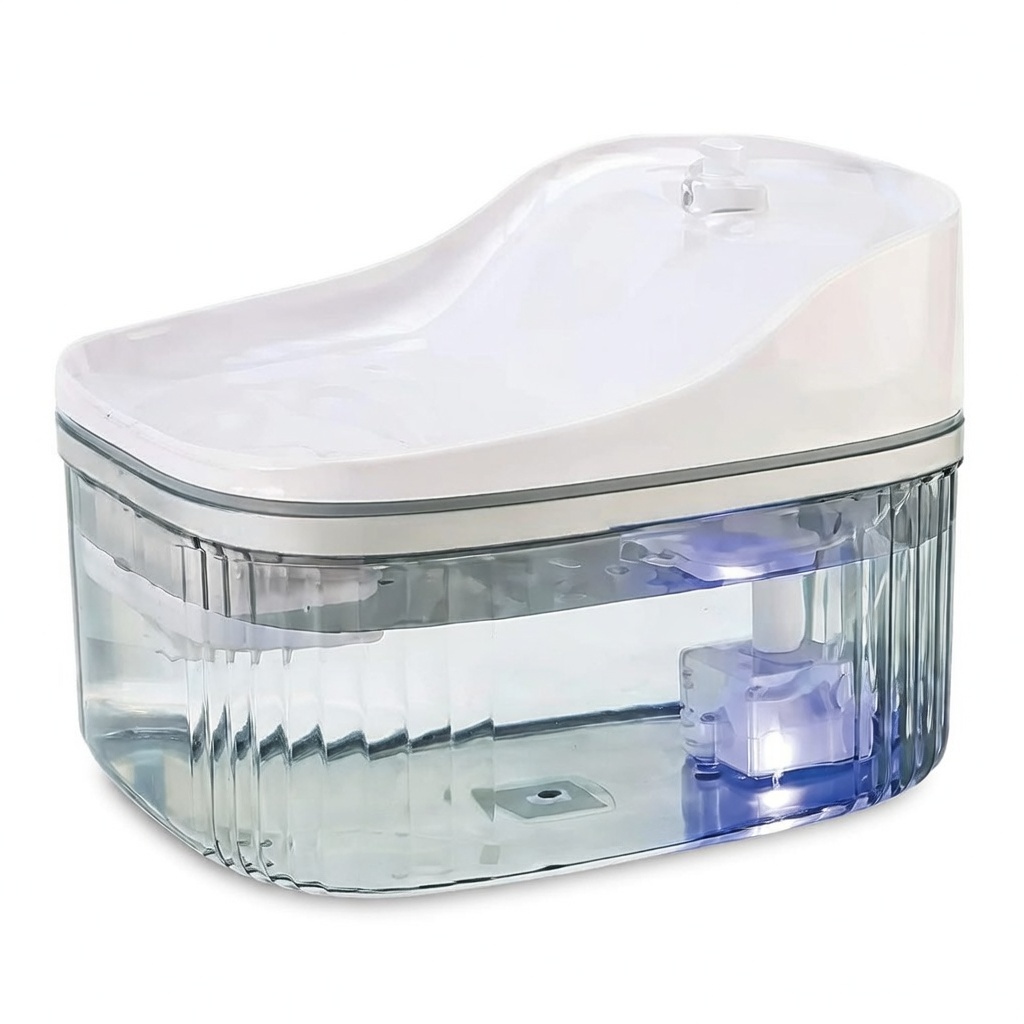
The amount of water a fountain holds shapes pet behavior in ways that go further than simply making water available. Pets build steady habits around when and how they drink, and the size and setup of the fountain play a direct role in how those habits form and continue.
Hydration Habits Differ Between Species
Cats usually take a careful approach to drinking, often looking around before they begin. They tend to make repeated short trips to the fountain during the day, lapping up small quantities each time. Dogs more often drink in a straightforward manner, taking in larger volumes during fewer visits.
These differing styles lead to specific needs. A cat might avoid a fountain with sides that touch its whiskers, while a dog could soon empty or spill from a bowl that is not deep enough. Noticing these differences between species makes it easier to see why the same fountain size does not fit every pet or home in the same way.
Limited Access Creates Stress
When several pets share one fountain, typical social patterns can appear. A more assertive pet may spend time near the water, which can make it difficult for others to get close. This kind of guarding stands out more when the drinking area is too small for more than one pet to use at the same time without crowding.
Frequent trouble reaching the water can lead to lasting reluctance, and pets that regularly face this may drink less than they would otherwise. Lower water intake over time can add gradual pressure to the kidneys and make urinary issues more likely.
The Connection Between Container Size and Internal Health
Steady access to water helps kidneys work properly, keeps body temperature balanced, and supports normal digestion. When pets hesitate to drink because the fountain is hard to use or runs low too fast, their bodies adjust by holding onto fluids. If this adjustment happens often, it can start to affect health in the longer term.
Daily Water Needs Vary More Than Expected
How much water a pet requires changes with different conditions.
Diet has a clear impact on needs:
- Pets eating mostly dry food need more water than those on wet food
- Higher protein levels in food increase the amount of fluid needed to process waste
- Warmer surroundings and more activity push daily water use higher
Why Recommended Intake Doesn't Equal Container Capacity
A few common factors mean the full listed capacity is not always available for drinking. Water evaporates slowly over time, particularly in dry air or warm rooms. Pumps that keep water moving reduce the amount that sits at the surface where pets can reach it. Many pets stop drinking when the level gets too low, leaving some water untouched.
These everyday reductions mean a fountain's stated capacity usually offers less usable water than expected before a refill becomes necessary.
Choosing Appropriate Capacity for Single Animal Households
In a home with a single cat, a fountain with one to two liters of capacity can often provide enough water for a few days. This size tends to offer a practical middle ground between how often refills are needed and how simple the fountain is to clean. Some situations, however, call for a different approach.
Smaller fountains can work well when:
- The pet's main diet is wet food
- The home stays at moderate temperatures
- The owner can refill every day without difficulty
Larger fountains are generally more helpful when:
- The diet consists mostly or entirely of dry food
- Hot weather increases thirst
- The owner's schedule includes longer absences or travel
Canine Households Present Different Considerations
Dogs add factors that cats usually do not have. The length and shape of a dog's muzzle change how it reaches and uses the water. Longer-muzzled breeds might disturb pump parts without meaning to, while short-muzzled breeds may find deeper fountains less comfortable to use.
Spilling is another common issue with dogs. Active drinking often causes water to splash out, lowering what is left no matter how much was added at the start. Wider fountains with shallower sides typically lose less water to splashing than taller, narrower ones.
Realistic Refill Frequency Shapes Practical Choices
An owner's daily routine matters just as much as the pet's needs when choosing fountain size. Owners who are home most of the day can easily keep smaller fountains topped up and clean with regular attention. Those with longer or less predictable days often prefer larger fountains that hold enough water for several days without needing frequent care.
Thinking about normal weekly patterns can guide the choice. Days that start early and end late can make a fountain requiring daily maintenance feel like an added burden and easier to miss. On the other hand, more flexible or home-based schedules may make smaller fountains more convenient for consistent cleaning.
Multiple Animals Require Strategic Thinking
The idea that one large fountain can meet the needs of several pets equally well does not always hold up in everyday use. Most designs do not allow more than one or two animals to drink at the same time, which can lead to delays during busier times of day.
Why Single Container Strategies Often Fail
Peak times such as mornings and after meals bring higher demand. When several pets want water during the same short period, a single spout or opening can become a point of congestion. Some animals may walk away rather than stand in line.
More confident pets sometimes position themselves near the fountain in a way that naturally limits access for others. Even without any direct conflict, this can discourage shyer pets from approaching, resulting in lower overall water intake.
Practical Capacity Approaches for Multi-Animal Homes
Instead of simply scaling up the amount needed for one pet by the total number of animals, it helps to focus on how many can drink at once. The width of the drinking area often matters more than the total depth or volume. A broader surface that lets multiple pets drink together tends to work better than a narrow, deeper design with greater listed capacity.
Useful strategies for homes with several pets include:
- Fountains that offer more than one drinking spot or spout
- Placement in locations where pets have clear approach paths from different directions
- Extra fountains kept in separate areas of the home
- Enough overall capacity to cover periods such as overnight when no one is checking levels
When One Large Container Beats Multiple Small Ones
Providing separate fountains can sometimes create new issues. Certain pets may claim one location as their own, making other fountains less used if they sit nearby. Placing fountains farther apart, however, can reduce tension by giving each animal its own space.
Running several fountains at once raises the level of background noise from multiple pumps. Cleaning time also increases with more units to maintain. For these reasons, a single larger fountain can sometimes prove more practical than several smaller ones spread throughout the home.
Design Elements That Affect Functional Capacity
The stated volume of a fountain is only one part of its real-world usefulness. The overall shape and internal layout determine how much of that water pets can actually reach and use comfortably.
| Design Feature | Impact on Usability | Consideration for Size |
|---|---|---|
| Single narrow spout | Limited concurrent access | Requires smaller household or backup options |
| Wide shallow basin | Simultaneous drinking possible | Lower capacity but better multi-animal function |
| Tall reservoir style | Higher stated volume | May create access anxiety for some animals |
| Multiple stream design | Distributes access points | Moderate capacity serves more animals |
Drinking Surface Area and Bowl Diameter
Many cats have sensitive whiskers and may avoid fountains where the opening is narrow enough to press against them while drinking. This discomfort, often referred to as whisker fatigue, can lead pets to drink less even when water is present.
A wider base also improves stability. Broader designs are less likely to tip over from accidental bumps or lively drinking, which helps in homes with active pets or young children.
Flow Rate Creates Illusion of Abundance
Strong, visible water movement can make a fountain seem more inviting and fresh, but faster flow alone does not add to the actual amount of water available. Some fountains emphasize eye-catching streams over larger holding areas, which can give the impression of greater supply than the reservoir actually provides.
Recognizing this difference makes it easier to compare options. A fountain with dramatic flow might hold less usable water than a plainer model with a bigger main tank.
Maintenance Requirements Scale With Capacity
Bigger fountains need refilling less often, but cleaning needs do not decrease in the same way. Surface buildup occurs wherever water touches the interior, no matter the size. Filters become saturated based on how long water circulates and its starting condition rather than the fountain’s total volume.
Cleaning Reality for Different Household Sizes
In a home with one pet, a weekly cleaning routine can often keep the fountain in good shape. When several animals share the water, more frequent attention usually becomes necessary because debris enters faster and water quality drops more quickly.
Fur, dust, and small food bits get carried into the water during normal use. More pets speed up this accumulation, which can mean cleaning mid-week in some cases even when the fountain holds a generous amount.
Material Choice Influences Practical Capacity
Stainless steel tends to resist bacterial growth better than many plastic types. Ceramic brings added weight for steadiness but carries a risk of chipping. These differences in materials affect both cleanliness and how long the fountain remains reliable, which indirectly influences how much usable water it provides over time.
Plastic surfaces can develop fine scratches that trap bacteria, shortening the safe period between cleanings. This effectively reduces how long the full capacity remains practical before the water needs to be changed.
Common Selection Mistakes to Avoid
Focusing Exclusively on Listed Volume
Product descriptions often highlight the maximum capacity, but this figure rarely matches the amount of water pets can actually drink over time. Minimum levels needed for the pump, displacement by internal parts, and gradual evaporation all lower what is available.
Ignoring Behavioral Dynamics
The way pets interact with each other and their surroundings plays a large role. A nervous pet might steer clear of a fountain that seems suitable on paper if its placement or the presence of others creates discomfort.
Underestimating Cleaning Resistance
Plans for regular maintenance can start strong but become harder to keep up after a few weeks. Selecting a fountain that depends on frequent cleaning when a more relaxed schedule feels realistic can lead to issues later.
Oversizing Beyond Practical Use
Choosing a fountain much larger than the household actually needs between cleanings can mean water sits unused and becomes less fresh. This forces periodic emptying of water that was never consumed.
Recognizing When to Upgrade or Add Capacity
Certain patterns in pet behavior can indicate that the current fountain capacity is not meeting household needs.
Watch for these indicators:
- Pets lingering close to a fountain that has run low, showing signs of restlessness
- Increased guarding or positioning around the water source by one or more animals
- The fountain reaching low levels more often than expected
- Pets drinking large amounts right after a refill, pointing to periods of limited access
Changes in daily life frequently call for adjustments to fountain capacity. Bringing additional pets into the home naturally raises overall demand, but other shifts matter as well. Moving toward a diet based more on dry food increases the amount of water pets need.
Seasonal changes also play a role. Warmer months tend to raise water intake due to higher temperatures, while indoor heating in colder months increases evaporation and dries the air, both of which can reveal limitations that go unnoticed during milder periods.
Making Confident Decisions Before Purchase
A straightforward approach can help sort through the different factors involved.
Step one involves noting times of highest demand. Consider how many pets might want water at roughly the same time, such as during morning routines or right after meals. This helps determine the minimum drinking surface area needed for comfortable simultaneous access, separate from total volume.
Step two calls for a realistic look at refill habits. Decide whether daily checks fit comfortably into the routine or if a longer interval between refills better suits typical schedules. Actual patterns carry more weight than planned ones.
Step three pairs capacity with the way water is presented. A fountain may list a suitable volume but deliver it through a design that restricts how easily pets can use it. The overall setup should align with the household's real circumstances rather than just numbers on paper.
Final verification includes:
- Enough volume to match the number of pets and daily routine
- Sufficient drinking areas to allow multiple pets to use the fountain at once
- Cleaning needs that fit within the time and effort realistically available
- Placement that accounts for pet territories and easy supervision
Choosing appropriate fountain size balances animal needs, household dynamics, and personal capacity for maintenance. Neither too small to serve adequately nor too large to clean practically, the right selection disappears into daily routine rather than creating ongoing friction. Understanding how animals use water, recognizing realistic maintenance patterns, and honestly assessing household situations leads to decisions that serve everyone better over the long term.