
 English
 中文简体
中文简体 русский
As more pet owners focus on everyday wellbeing and simple home solutions, the humble Pet Water Fountain is attracting renewed attention. Once considered a novelty, flowing-water feeders are now part of many households’ routines — prized for encouraging hydration, fitting into varied living spaces, and offering a low-effort way to support pet health.
A quiet shift in pet care
Anecdotal reports from caretakers and animal-care enthusiasts suggest that interactive water sources can boost a pet’s willingness to drink. For multi-cat homes and busy families, a fountain that keeps water moving may reduce the need for constant refills and can help maintain fresher water between changes.
Why moving water matters
- Many pets are drawn to motion; running water can seem more attractive than still water.
- Flowing water may feel cleaner to some animals, encouraging more frequent sips.
- In shared households, a fountain offers multiple access points without crowding a single bowl.
Matching style to behavior
Not every animal responds the same way to a moving water surface. The range of available designs means owners can choose a flow that suits their pet’s instinctual preferences.
- Bubbling tops: these create a gentle rise-and-pop motion that some animals investigate curiously.
Favored by pets that like to lap at small, localized movement.
- Cascading flows: a steady sheet of water can be more visible and easier to lap for some pets.
Works well for animals who prefer a falling stream to steady trickles.
- Spout-style streams: mimic a faucet, allowing animals to drink from a steady vertical stream.
Often preferred by pets that like to lick falling droplets.
Experimentation is common: a model that works for one household may not suit another. Owners report that placing a fountain in a calm, familiar spot often helps with acceptance.
Cleanliness and maintenance: non-negotiable habits
A water device that’s difficult to clean will quickly become less sanitary. Design choices that make cleaning straightforward often determine long-term satisfaction.
- Easy disassembly: models that separate into a few large pieces reduce the time required for a thorough wash.
Look for parts that are reachable and that don’t trap residue.
- Pump accessibility: the internal pump needs periodic rinsing to avoid buildup.
Removable components simplify this chore.
- Surface finishes: smooth materials with few seams limit places where slime and deposits can hide.
Fewer seals and hidden crevices mean faster, more effective cleaning.
Owners who adopt a quick weekly wash and a deeper monthly clean say their devices stay odor-free and more attractive to pets.
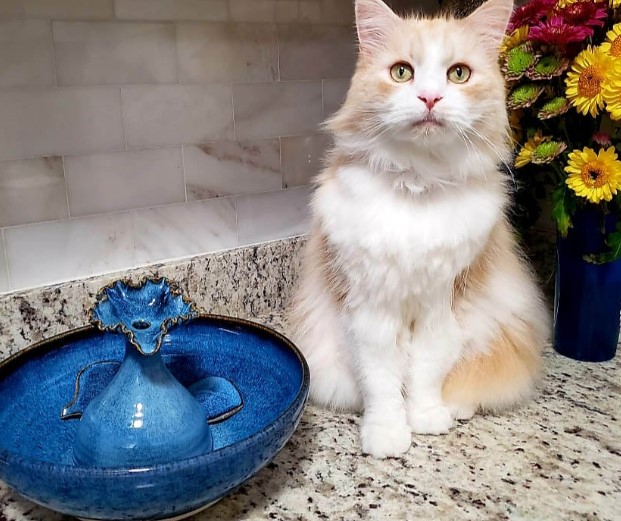
Material choices: durability and hygiene
Material affects not only longevity but also how easy a unit is to sanitize and how comfortable it feels to the pet.
- Plastic: lightweight and flexible but prone to surface scratches over time.
Scratches can trap residue and require more frequent replacement or extra cleaning.
- Ceramic: heavier and often easier to clean, with a solid feel that some pets accept readily.
Its weight reduces tipping for restless animals.
- Stainless steel: durable and resistant to staining, often the easiest to sanitize thoroughly.
Preferred by caretakers seeking a hygienic surface with minimal maintenance.
Choosing a material also means balancing aesthetics, weight, and how it fits into a home’s routine.
Practical placement and power considerations
Where a fountain sits and how it’s powered are simple but impactful decisions.
- Outlet proximity: placing the unit near an outlet avoids long cords that can be hazardous.
Shorter cord runs reduce the temptation to use extension leads in risky ways.
- Cord safety: keep cords tucked away to prevent chewing or accidental unplugging.
Concealment helps protect curious pets and avoids trip hazards.
- Alternative power options: some models offer cordless operation for certain setups.
Rechargeable units can free placement choices but require regular charging cycles.
Placement also touches on behavior: many pets prefer quiet corners removed from high traffic or the food bowls.
Filters and water quality: routine costs and benefits
Filters are common in circulating water systems and they play a role in clarity and taste, but they introduce an ongoing responsibility.
- Filter type: different designs capture hair, debris, and some impurities.
Consider replacement intervals and how easy it is to access the filter compartment.
- Replacement planning: factor in how often filters need changing to keep water appealing.
Regular replacement supports cleaner water and helps prevent odors.
- Freshness: topping up regularly keeps water inviting and reduces stagnation.
Even with a filter, fresh water encourages pets to drink more.
Owners who monitor both filtration and water level report more consistent use by their pets.
Sound and pet tolerance
Sound level can make or break long-term acceptance. What is soothing to one pet may be unsettling to another.
- Flow noise: gentle trickles often blend into ambient background sounds, while powerful streams can be more audible.
Observe pet reactions during initial trials to avoid stress.
- Pump hum: quieter pumps support continuous operation without annoying humans or animals.
Pump maintenance can reduce unexpected noises over time.
- Gradual introduction: some animals may acclimate if the fountain is introduced slowly and left on low settings first.
Patience during the transition often improves adoption rates.
Quick comparison of common fountain attributes
| Attribute | Typical qualities | Owner notes |
|---|---|---|
| Flow style | Bubbling, cascading, spout | Match flow to pet preference |
| Cleaning ease | Simple disassembly vs. many parts | Fewer parts = faster cleaning |
| Material | Plastic, ceramic, stainless steel | Consider hygiene and weight |
| Power | Corded vs. rechargeable | Cord safety affects placement |
| Filtration | Integrated filters or none | Ongoing replacement cost |
| Noise level | Low to moderate | Test for pet comfort |
Observe, adjust, repeat
Selecting a Pet Water Fountain is an iterative process: observe how your pet approaches water, try a flow that aligns with that behavior, and adopt cleaning habits that keep the unit appealing. Many caretakers find value in keeping both a flowing option and a still bowl to cover varied preferences. Thoughtful placement and routine maintenance pay off in more consistent hydration and less daily hassle.For those who want to review a range of designs and practical tips, check out tallfly for additional ideas and guidance.