
 English
 中文简体
中文简体 русский
In a quiet corner of the consumer-goods landscape, manufacturers that might be called a Pet Water Fountain Factory are rethinking how animals access drinking water. Once a niche item, water-dispensing units for pets have moved into everyday household routines, attracting attention from health-aware pet owners, small-scale retailers, and designers who aim to combine utility with low-maintenance living.
A changing demand for moving water
News coverage and industry observers note a steady interest in products that encourage animals to drink more. Stagnant water is less appealing to many pets, while a gentle stream or bubbling surface can invite curiosity and drinking. Manufacturers have responded by refining internal systems and making units that integrate easily into modern homes.
- Consumer appeal: owners report their pets are more likely to drink when water appears fresh and active.
- Retail interest: specialty pet retailers and general home goods stores include water-dispensing units in their small-appliance assortments.
- Design focus: engineers and product designers emphasize quiet operation and simple cleaning processes to reduce barriers to daily use.
Inside the product: how it functions
At the center of these devices is a circulation mechanism that keeps water moving and an internal process to remove debris and undesirable tastes. This combination aims to maintain a consistently inviting water source without constant human intervention.
- Circulation mechanism: a compact drive moves liquid from the base to a visible drinking area, creating a continuous flow.
- Filtration process: a removable medium captures hair, food particles, and particles that can affect smell or taste.
- Structural layout: bowls and channels are shaped to accommodate different drinking behaviors, from lap-lapping animals to those who prefer a small stream.
These elements together shape user experience and maintenance demands. Facilities that produce such units typically balance manufacturing efficiency with serviceable parts that can be cleaned or replaced by consumers.
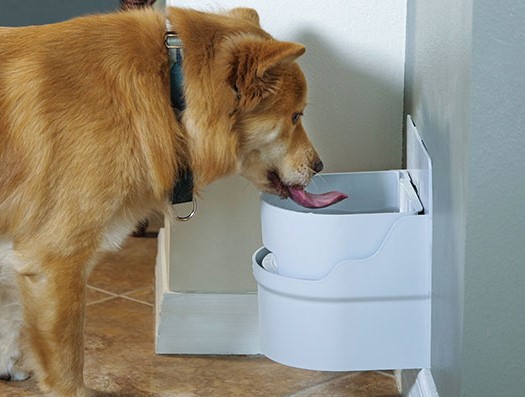
Production considerations at scale
A facility that builds these products must manage several overlapping priorities: dependable electrical components, hygienic materials, and an assembly process that allows for inspection and quality control without introducing contaminants.
- Material choice: components that contact water are selected for durability and ease of cleaning.
- Assembly flow: sections of the line are dedicated to installing filtration units and testing circulation performance.
- Quality checks: each finished unit is evaluated for quiet operation and leak-free assembly.
Sourcing and production logistics are essential, but so is the design-for-service mindset: components that can be disassembled without tools reduce return rates and increase customer satisfaction.
Consumer experience and maintenance
A large part of the product story is about how easily an owner can keep a unit hygienic and functioning. Manufacturers and independent reviewers alike highlight routine tasks that extend product life and preserve water quality.
- Cleaning routine: parts that come into contact with water should be removed and cleaned on a regular schedule.
- Filter changes: replaceable media should be accessed without disturbing the circulation mechanism.
- Pump care: the circulation component benefits from occasional inspection to remove hair and debris.
| Component | Role | Maintenance tip |
|---|---|---|
| Circulation mechanism | Keeps water moving to encourage drinking | Inspect and clear debris around the intake regularly |
| Filtration medium | Traps particles and reduces odors | Replace the medium according to usage and visual clarity |
| Reservoir and housing | Stores water and directs flow | Disassemble periodically for a full wash and air dry |
| Exterior surfaces | Provide the user-facing appearance | Wipe down to remove residue and maintain hygiene |
Safety, noise, and placement
Two practical concerns often influence purchase decisions: noise level and where the device can be placed in the home. Quiet operation is a feature many households prefer, and manufacturers work to minimize vibrations and noise transmission through component selection and housing design.
- Placement: owners are advised to choose stable, level surfaces and avoid spots where water splashes could damage floors or nearby items.
- Noise control: product engineers often incorporate rubber isolators or internal baffling to reduce sound without compromising flow.
Sustainability and lifecycle thinking
As consumer awareness of product lifecycles grows, attention turns to how long units last and how easily components can be replaced. A design that allows for long-term serviceability — such as modular filtration and accessible circulation parts — can reduce waste and offer a lower total cost of use.
- Repairable parts: units that allow common parts to be replaced or serviced support longer product life.
- Material reuse: some producers explore recyclable materials for housings and filters that have a lower environmental footprint.
The market impact of manufacturing practices
When a Pet Water Fountain Factory adopts a design-for-maintainability approach, it can influence the broader market. Retailers benefit from fewer returned products, and consumers enjoy lower maintenance burdens. Industry observers say that such approaches also open opportunities for small and medium-sized manufacturers to compete by offering clear care instructions and durable components rather than only competing on price.
What to look for when evaluating offerings
Prospective buyers and trade partners should weigh practical considerations: how easy parts are to remove and clean, whether the unit is quiet enough for their household, and whether replacement media are easy to obtain. Transparent user guidance and straightforward assembly methods are signs that a product is designed for real-world use rather than as a fragile novelty.
- Ease of disassembly: look for units that open without tools.
- Availability of replacement parts: make sure filter media and pump modules are reasonably accessible.
- Clear instructions: simple care guides reduce misuse and extend operational life.
How the sector evolves
The intersection of small-appliance manufacturing and pet health is creating incremental change rather than radical disruption. Innovations tend to prioritize convenience, minimal upkeep, and reliable operation, which align with what consumers say they want. A Pet Water Fountain Factory that focuses on these areas can help shape the market by making hydration products that are both practical and approachable.
In the coming months, stakeholders across the supply chain — from designers to distributors — are expected to continue refining features that support daily use while keeping the devices affordable and serviceable. For professionals and consumers seeking further commentary and resources on product selection and upkeep, an accessible hub is available at tallfly.