
 English
 中文简体
中文简体 русский
As temperatures shift and dogs cycle through their natural coat renewal, pet owners face a familiar domestic challenge: loose fur everywhere. From sofas to car seats, shedding is part of canine life, but new grooming tools and practical routines can reduce the household impact while keeping animals comfortable. The Pet Hair Scraper is one of several solutions that groomers and owners are testing to help remove loose undercoat efficiently, especially during peak shedding periods.
Shedding: a normal rhythm with variable drivers
Shedding is an ongoing biological process that renews the coat, and it becomes more visible when environmental conditions change. Seasonal transitions commonly reveal heavier hair loss, but other influences can alter how and when fur is released.
- Natural cycle: Fur naturally ages and is replaced as part of a healthy coat renewal.
- Environmental cues: Variations in daylight and humidity often increase visible shedding in spring and fall.
- Secondary triggers: Diet changes, topical products, household stressors, or hormonal shifts can also change shedding patterns.
Understanding these drivers helps owners pick the right combination of home grooming and professional care to avoid skin problems and to keep a home livable.
Apparent vs. disguised shedding: how they differ
Groomers separate shedding into two broad types, and each requires a different approach.
- Apparent shedding: Loose hairs fall away and accumulate in the home. Mechanical removal through brushing and blow-drying is usually effective.
- Disguised shedding: Detached hairs remain trapped beneath guard hairs, especially on curly or double-coated breeds. Without regular intervention, the coat can become compacted and reduce skin aeration.
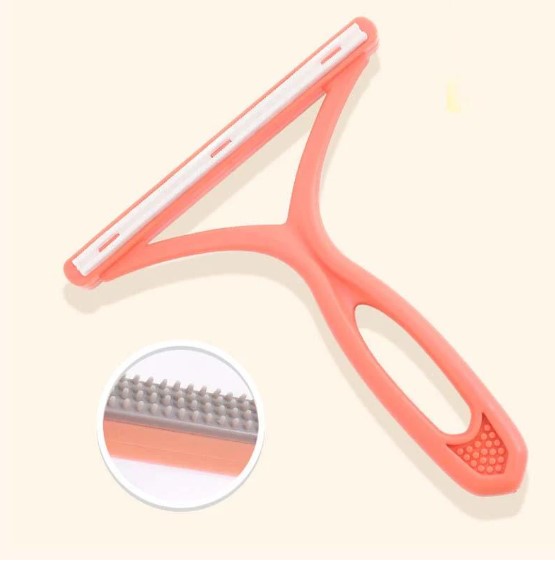
Tools like the Pet Hair Scraper can be useful in addressing apparent shedding by removing loose hairs before they spread around the house. For disguised shedding, more thorough dematting and deshedding techniques are critical to avoid the need for emergency shave-downs.
Practical grooming strategies that help
A consistent grooming routine reduces both the volume of shed hair in the home and the risk of coat compaction on the dog.
- Brushing frequency: Increase brushing during known shedding seasons to capture loose hairs at the source.
- Bath and blowout: Professional or careful at-home baths with a moisture-supporting conditioner followed by a high-velocity blow-dry can free undercoat hair safely.
- Targeted tools: Using tools designed for the dog’s coat type—slickers, undercoat rakes, or a Pet Hair Scraper—improves efficiency and comfort.
Combining home efforts with periodic professional sessions maintains coat health while reducing household cleaning needs.
When a Pet Hair Scraper helps — and when it doesn’t
The Pet Hair Scraper is designed to gather and lift loose hairs from a coat surface quickly, making it a handy accessory for owners who want a rapid way to reduce visible fur on furniture or clothing.
- Good fit: Works well after brushing or after a blowout to sweep remaining loose fibers from the topcoat.
- Limitations: It is less effective for disguised shedding where fur is trapped under protective hairs; those cases require raking and careful detangling closer to the skin.
- Comfort: Use gently to avoid irritating the skin; combine with appropriate grooming products that protect the coat’s moisture balance.
Groomers recommend treating the scraper as a complementary tool rather than a complete solution for heavy undercoat removal.
Health signs and when to seek professional help
Shedding that changes suddenly or includes other symptoms can indicate an underlying problem. Owners should monitor both the coat and the skin for warning signs.
- Red flags: Patchy loss, scaling, persistent scratching, foul odor or visible skin irritation merit veterinary evaluation.
- Medical causes: Hormonal imbalances, parasites and allergies can all alter shedding patterns and may need targeted treatment.
- Coordinated care: When medical issues are present, combining veterinary guidance with a groomer’s plan ensures safe, effective coat management.
Early assessment avoids prolonged discomfort and helps guide the right grooming interventions.
At-home maintenance that keeps a home cleaner
Small, regular practices cut down on cleaning time and help maintain a pet-friendly living space.
- Designate grooming zones: Brush outdoors or over a washable mat to contain loose hairs.
- Frequent vacuuming: Routine vacuum sessions and lint rolling reduce visible fur on textiles.
- Protective covers: Place washable covers on frequently used furniture to make cleanup easier.
These habits, along with targeted grooming, reduce the daily burden of pet hair.
Matching need to grooming approach
| Issue | Recommended approach | Owner tip |
|---|---|---|
| Obvious loose hair around home | Brushing + high-velocity blowout; finish with a Pet Hair Scraper | Work in sections and collect hair as you go |
| Trapped undercoat or tangles | Thorough raking and dematting with professional support | Address early to avoid compaction |
| Seasonal spikes | Increase grooming frequency; consider scheduled grooming visits | Keep a consistent routine during transitions |
| Skin irritation or sudden loss | Veterinary check + adjusted grooming plan | Pause aggressive grooming until vet clears skin |
The grooming industry’s move toward gentler, natural care
Many professional groomers prefer moisture-retaining washes and plant-based conditioners that protect the coat’s structure while aiding hair release. The goal is to loosen dead undercoat without over-drying the skin. When matched with mechanical tools and expert technique, these options support healthy shedding cycles and reduce the chance of coat compaction.
Tools, routine and timely help
Seasonal shedding is an expected part of canine life, but how it is managed makes a real difference for the pet and the household. A well-chosen routine that blends brushing, appropriate bathing, and selective tools such as a Pet Hair Scraper can cut down on loose fur and keep a dog’s coat healthy. When problems go beyond routine shedding, timely professional grooming or veterinary care prevents escalation.For more information on practical grooming tools and solutions for pet homes, you can visit tallfly.