
 English
 中文简体
中文简体 русский
As everyday routines and shared outdoor spaces continue to evolve, discussions about simple gear and handler habits are getting renewed attention. What once seemed like a straightforward tool is now seen as part of a wider system: how people cue their companions, how equipment supports clear signals, and how small choices affect safety and comfort for everyone on a walk.
A wider perspective on a familiar tool
Walking a pet is an ordinary activity with real safety implications. Observers from training, veterinary care, and community management note that subtle changes — in materials, attachment points, or even the way a handle feels — can shape how handlers and dogs relate to one another on the move. The focus now is less on novelty and more on whether a tool encourages steady cues and humane handling.
Why design and behavior matter together
Equipment alone cannot replace consistent handling, yet design can either support or undermine good habits. When a handler and dog share an intuitive system, the dog reads cues faster and the handler can respond more predictably. That reduces tense moments, lowers the risk of sudden entanglement, and helps neighborhoods feel safer.
Key design principles gaining attention
- Predictable feedback — a connection that responds in a steady, understandable way.
- Comfortable handling — materials and shapes that reduce fatigue and slippage.
- Durable joinery — secure attachments that remain reliable under daily use.
- Ease of adjustment — intuitive options that adapt to changing environments.
Common connection styles and everyday use
Below is an expanded look at familiar families of walking connections and practical notes on when and how they are often used.
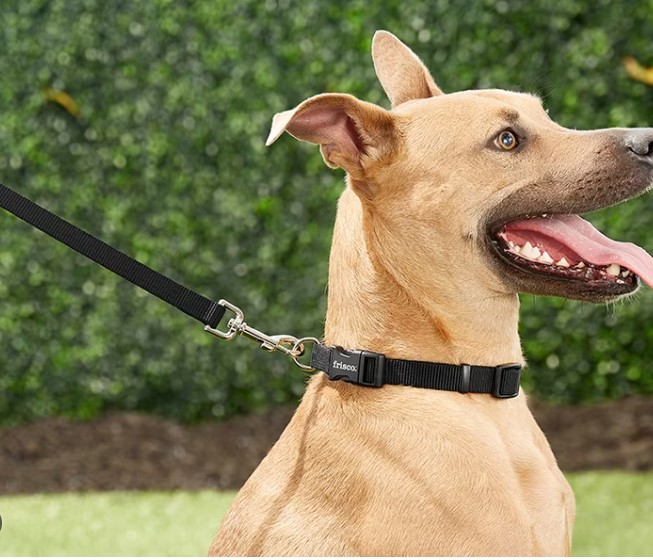
Standard connections
A straightforward form offers direct feedback and consistent control. Many trainers recommend starting with this kind of setup for basic manners because it gives immediate, interpretable information to the dog and handler.
- Good for routine routes and focused training sessions.
- Promotes a steady rhythm between cue and response.
Retractable systems
These provide variable reach while maintaining a single point of attachment. They can be useful when a dog can explore under careful supervision, but they also introduce potential hazards such as line entanglement or sudden tension changes if the handler is not alert.
- Suited to open, low-traffic environments under close watch.
- Demands attentive supervision and habit formation before regular use.
Adjustable setups
These solutions let handlers change length quickly without changing equipment. They are convenient for mixed walks that move from crowded areas to quieter parks. Reliable adjustment mechanisms are essential to keep the setting secure during activity.
- Helpful for walk routes with shifting demands.
- Verify hardware regularly for stability.
Slip loops
A slip loop combines collar and connection into one loop that tightens with tension. When used by experienced handlers who understand timing and humane application, it can be a useful short-term tool. Careful use and a secondary identification collar are prudent safety steps.
- Typically used briefly by knowledgeable handlers.
- Must be applied with attention to the dog’s comfort and airway safety.
At-a-glance guide for quick comparison
| Connection Type | Typical Setting | Practical Reminder |
|---|---|---|
| Standard | Everyday walks, training sessions | Use for establishing clear cues |
| Retractable | Open exploration under supervision | Monitor line and avoid crowded areas |
| Adjustable | Mixed-route walking and drills | Check adjustment points frequently |
| Slip Loop | Short-term control by skilled users | Pair with an ID collar and use cautiously |
Training and safety: practical moves that matter
Design choices are only part of the story. Habits and training techniques determine how those choices play out in real life. Below are concrete steps recommended by trainers and animal-care professionals.
- Start in low-distraction places to teach core commands and consistent leash manners.
- Use short, structured practice sessions when introducing any new connection style.
- Observe body language closely—tail carriage, ear position, and movement often signal readiness or stress.
- Maintain steady, predictable tension rather than abrupt jerks or sudden releases.
- Inspect all hardware regularly and replace or retire any showing wear.
- Keep a simple identification collar in addition to any temporary or corrective loop.
Managing risks in busy or changing environments
Walkers who cross crowded streets, enter transit areas, or share narrow sidewalks with others can reduce risk by choosing connections and habits that prioritize clear control. A few behavior-focused suggestions:
- Shorten the connection at points of dense foot traffic.
- Anticipate environmental triggers—bikes, children, other animals—and preemptively cue calm behavior.
- Create a communication rhythm with the dog: a cue, a pause, and a predictable reward sequence.
- When introducing freedom (longer reach), do so gradually and under supervision.
Real-world perspectives from trainers and vets
Training professionals emphasize that predictable handling builds confidence for both people and dogs. A connection that provides consistent feedback reduces confusion and speeds learning. Veterinarians underline that comfort matters: pressure points, material abrasiveness, and fit can affect a dog’s willingness to accept guidance over time. Handlers who practice steady reinforcement report fewer reactive episodes and more pleasant walks.
Choosing what fits your routine
Selection starts with honest assessment: where do you usually walk, how does your dog react to distractions, and how much change can you introduce at once? Consider these practical steps:
- Map your typical route types—busy streets, quiet parks, mixed environments.
- Match a connection style to the most demanding context you face regularly.
- Introduce new gear in short, positive sessions to avoid sudden behavioral shifts.
- Keep safety gear (ID collar, tags) on the dog at all times, especially when using temporary or corrective loops.
Long-term habits that create calmer outings
Shifts in daily practice often yield the biggest improvements. The goal is gradual, observable progress: short, calm sessions; consistent rewards; attention to body language; and reliable equipment maintenance. Over months, small changes compound into smoother rhythms for both handlers and dogs.
Practical checklist for steady progress
- Begin new practice in quiet settings.
- Reinforce calm responses immediately.
- Shorten and supervise when introducing extended reach.
- Replace equipment at first sign of material stress.
- Keep a secondary ID collar on the dog if using corrective loops.
Final thoughts and resources
Rethinking the relationship between handler behavior and equipment design leads to safer, more comfortable walks. When gear and practice align—predictable feedback, humane handling, and gradual introduction—shared outdoor spaces become easier to navigate. For additional ideas about gentle cleaning flows and simple tools that fit into a daily rhythm, see tallfly.