
 English
 中文简体
中文简体 русский
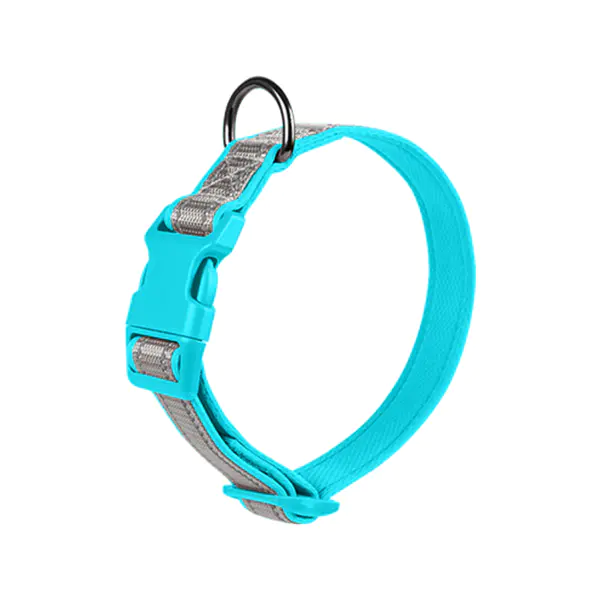
Many dog owners encounter this situation: you pick up the Opey Dog Collar , and your dog steps back, stiffens, or trembles. It can feel puzzling and upsetting, particularly when you're aware the collar helps keep your pet secure. The encouraging part is that reluctance to wear a collar is usually one of the more manageable behavior issues in dog care, as long as you first figure out the reason behind it and approach the situation calmly instead of pushing forward. This holds true whether you have a young puppy encountering a collar for the first time or an adopted dog that may carry difficult past experiences. The process nearly always involves proceeding gradually, eliminating any force, and carefully creating a fresh positive connection through small, manageable stages. Before starting any kind of training, though, two key questions deserve straightforward answers: is your dog physically at ease, and does the collar fit properly? These two elements explain a substantial portion of collar avoidance cases, and correcting them can occasionally clear up the problem without the need for structured training.
Immediate action: Take the collar off right away if you notice redness, swelling, or if your dog yelps when the neck is handled. Use a soft harness for outings until you can determine what's causing the discomfort.
Quick Safety Checklist: What to Do Right Now
When a dog shows a strong negative response to a collar in the moment, the main focus is lowering stress levels and making sure there's no injury before moving ahead. Go through this checklist before trying any training steps:
- Check the fit by slipping two fingers beneath the collar. If two fingers don't fit comfortably, it's too snug. If the collar slides off over the head with little effort, it's too loose.
- Inspect for signs of irritation: patchy hair loss on the neck, red or raw skin, swelling, sores, or flinching when the neck is gently touched.
- Remove the collar at once if you see any of these signs and note whether the dog's demeanor improves.
- Use a harness to hold ID tags and manage brief walks while you evaluate the situation.
- Shift to a calm, quiet area and give the dog time to relax before any additional handling.
- Offer favorite treats and speak in a gentle, quiet tone to ease immediate tension.
- Avoid pursuing or holding the dog down to attach the collar, as this typically intensifies the reaction.
- Never leave an ill-fitting or fear-inducing collar on a dog when you're not present to supervise.
If the aversion appeared suddenly in a dog that previously wore collars without difficulty, arrange a veterinary check-up soon. An abrupt change in collar acceptance can indicate neck discomfort, thyroid issues, tracheal sensitivity, or skin problems that require professional assessment.
Red flag: A sudden reluctance in a dog that formerly tolerated collars calls for a vet examination before beginning any training.
Why Do Dogs Resist Wearing a Collar? Common Causes
Knowing the precise trigger for your dog's resistance helps shape a more targeted plan. The reasons typically divide into physical and behavioral categories.
Physical causes include:
- Incorrect fit leading to pressure, rubbing, or breathing restriction
- Skin sensitivity or reaction to the collar's material
- Neck or throat discomfort stemming from an old injury or an ongoing health concern
- Tracheal sensitivity, particularly frequent in smaller breeds
- Ear infections or related pain that makes neck contact unpleasant
Behavioral causes include:
- An unpleasant past experience, such as being pulled harshly by the collar or caught on something
- Overstimulation from clinking tags, strange textures, or the feel of heavy hardware
- Insufficient early exposure, meaning the dog missed out on gradual collar introduction during key developmental stages
- Broader anxiety that leads to discomfort with anything encircling the neck
A brief period of observation—about five minutes—can offer clues. Notice whether the dog reacts to simply seeing the collar from afar, only when it approaches the neck, or mainly once it's buckled. Each pattern suggests a different underlying issue and a slightly adjusted starting point for helping the dog feel more at ease.
Choosing the Right Equipment: A Comparison
Not every collar or harness fits every dog's needs. The table below outlines common choices, their benefits, and the circumstances where each tends to perform best.
| Equipment Type | Suitable For | Key Advantage | Use With Caution If |
|---|---|---|---|
| Flat buckle collar | Most adult dogs, general ID use | Simple, lightweight, widely available | Dog has tracheal sensitivity or pulls hard |
| Martingale collar | Dogs with narrow necks, escape risks | Self-correcting without choking | Dog is unsupervised or anxious about tightening |
| Soft fabric collar | Sensitive skin, early training stages | Gentle on skin, low sensory input | Dog needs strong ID attachment in public |
| Back-clip harness | Puppies, small breeds, anxious dogs | Removes all neck pressure | Dog pulls strongly (may reinforce pulling) |
| Front-clip harness | Dogs that pull on walks | Redirects forward movement gently | Dog is still being introduced to body equipment |
| Head halter | Strong dogs with reactivity | Provides directional control | Dog has not been gradually introduced to it |
For dogs showing current resistance to collars, a back-clip harness often serves as the most reliable temporary solution. It maintains safety, supports ID tag placement, and gives time for training to move forward at a pace the dog can handle.
Quick drill: Leave the collar resting on a surface close to where your dog eats for several days without trying to put it on. For many dogs, this low-pressure exposure alone noticeably reduces their unease around the item.
Are There Quick Fixes That Work the Same Day?
Certain small changes can lead to noticeable improvement within a single day, especially when the discomfort stems from something sensory rather than a long-standing fear. The following steps carry little risk and can be tried before moving into longer training:
- Take off any clinking tags or add a soft silencer to quiet the noise that often unsettles dogs.
- Replace a heavy or rigid collar with one made of soft rolled leather or lightweight nylon that rests more comfortably against the skin.
- Try a brief 60-second session: slip the collar on, offer five to eight small, high-value treats one after another right away, then take the collar off. Do this twice daily.
- Reserve a special treat—something the dog loves and rarely gets—for moments when the collar is being handled or worn.
- Keep your voice calm and avoid any sharp words or signs of frustration while working with the collar. Dogs pick up on our emotions fast, and any tension from you can make the dog more uneasy.
Mini case: A rescue dog, named for a small seaside town, would freeze whenever her new family reached for her collar. After removing the metal tags and switching to a lightweight fabric collar while offering tiny bits of cheese during brief handling, she began accepting the collar calmly within a couple of days. The jingling tags had apparently been setting off a strong startle reaction each time she moved.
A Four-Week Desensitization and Counterconditioning Plan
When the aversion runs deeper or ties back to past negative experiences, a step-by-step plan tends to bring steadier, longer-lasting progress than one-off attempts. The outline below breaks the process into weekly phases with short daily sessions—no more than five minutes—to keep the dog engaged without overwhelming it.
Week One: Familiarization
The aim here is to help the dog view the collar as something neutral or even pleasant without any need to wear it yet.
- Leave the collar close to the dog's food bowl or in their resting area, but do not try to put it on.
- Hold the collar while giving treats so the dog connects its presence with good things.
- Around day four or five, let the dog approach and sniff the collar on the ground; reward any relaxed interest with small treats.
- If the dog remains calm, briefly touch the collar to the side of the neck for just a second while offering a treat, then remove it right away.
Week Two: Brief Wear Sessions
This stage brings in the collar going over the head and being buckled, but only for very short moments.
- Slip the collar loosely around the neck for about 30 seconds while feeding treats steadily; remove it and treat again.
- Add roughly 15 seconds more each day, always pairing the time worn with treats or gentle praise.
- Look for subtle stress signs such as lip-licking, yawning, turning the head away, crouching, or freezing. If any show up, step back to the previous level for a couple of extra days.
- Finish each session while the dog still seems comfortable—ending on a good note matters more than hitting a specific duration.
Week Three: Movement and Duration
By now the dog should handle the collar comfortably for several minutes indoors. This week focuses on longer wear time and light activity.
- Let the dog wear the collar for five to fifteen minutes while walking around familiar rooms inside the house.
- Try short, relaxed walks in the yard or down a quiet hallway, rewarding often to keep the mood positive.
- If tags were an earlier concern, reintroduce them slowly—perhaps starting with one small tag inside a silencer.
Week Four: Generalization
The collar should now feel ordinary in known settings. This week brings in slightly busier or less familiar situations.
- Practice wearing the collar during everyday activities the dog already enjoys, like eating, calm play, or brief trips outside.
- Pay attention to any return of stress signals in new places and lower the level of distraction if needed.
- By the close of week four, many dogs with mild to moderate collar reluctance will accept it consistently without tension.
Note on regression: A startling experience—such as getting caught on something or hearing a sudden loud sound—can cause temporary backsliding. View it as useful feedback rather than a setback, and return to the exercises from the prior week for a few days.
What Happens When Progress Stalls?
Some dogs move forward more slowly than others, and certain patterns may call for slight adjustments.
| Reaction Observed | Likely Cause | Recommended Response |
|---|---|---|
| Dog freezes when collar is shown | Strong fear association | Return to Week 1. Extend familiarization phase by five additional days. |
| Dog bites at collar when fastened | Pain or deep aversion | Rule out medical cause first. Consult a vet before continuing training. |
| Dog refuses harness as well as collar | Generalized body handling anxiety | Try a different harness style. Consider a certified professional trainer. |
| Regression after a frightening event | New negative association formed | Slow the plan significantly. Restart from Week 1 steps without pressure. |
| Dog accepts collar indoors but not outside | Environmental anxiety | Continue Week 3 exercises outdoors at minimal distraction level for longer. |
Clicker training can help in these cases by marking the exact moment of calm or correct behavior with a clear sound, which often speeds learning for anxious dogs. Be sure to introduce and charge the clicker separately first so it carries positive meaning before using it during collar work.
When Is Collar Aversion a Medical Problem?
Occasionally the resistance comes from discomfort or pain rather than behavior alone, and those cases need veterinary attention first. Consider a vet visit before training if you notice any of these:
- The dog yelps, whines, or pulls away sharply even when the neck is touched lightly
- Redness, swelling, lumps, sores, or hair loss visible around the neck area
- Shifts in eating, drinking, or swallowing habits appearing alongside the collar issue
- Head tilting, unsteady movement, or clumsiness combined with neck sensitivity
- A sudden change in attitude toward the collar in a dog that used to wear one without trouble
When you go to the vet, try to bring a short video showing the reaction if you can. Explain when the problem began, whether it developed slowly or appeared quickly, and any other changes in the dog's behavior. Ask the veterinarian to check specifically for neck pain, skin irritation, and whether a thyroid evaluation makes sense based on the dog's age and health history.
When Should You Bring in a Professional Trainer or Behaviorist?
A structured four-week approach helps a good number of dogs overcome collar reluctance, yet certain situations call for the input of someone with specialized experience. It often makes sense to seek professional help when:
- The dog responds to collar attempts with aggression, such as growling, snapping, or attempting to bite
- Signs of fear appear to increase or stay the same even after several weeks of steady, careful training
- The aversion creates a real safety concern, for example by making it difficult to attach a leash for walks or handle the dog safely during urgent situations
- The person working with the dog begins to feel consistently frustrated, stressed, or unsure, since those feelings can unintentionally heighten the dog's discomfort
When selecting a professional, prioritize those who rely on force-free techniques and positive reinforcement, and who carry certification or membership from a respected national organization in the field. In cases where anxiety, fear, or possible pain seems to play a significant role, a veterinary behaviorist can offer a combined medical and behavioral perspective that addresses both sides of the issue.
Questions to ask a trainer: Inquire about their primary training methods, specifically whether they emphasize positive reinforcement; how they approach a dog displaying fear during handling; and whether they have worked successfully with other dogs that showed strong collar aversion.
A Simple Daily Routine to Keep Progress Going
After a dog reliably accepts the collar, a short daily practice can help lock in the comfort and reduce the chance of backsliding:
- Each morning, slip the collar on while offering three small, favorite treats—this brief routine takes only about 20 seconds and reinforces the positive link with food.
- Re-check the collar's fit once a month, since a dog's size and weight can shift over time, particularly in puppies still growing.
- Look over the neck area weekly for any early signs of rubbing or irritation, especially when the weather turns warmer and coats change.
- Refresh ID tags and confirm that microchip information is current at least once a year or anytime your contact details change.
Most dogs that start out uneasy about collars can, given steady patience and the appropriate approach, reach a point where they wear one without concern or even seem to forget it is there. The timeline often stretches longer than people anticipate at the outset, but the process seldom demands anything beyond careful observation, suitable gear, and respect for the individual dog's comfort level. Safety remains the top priority at every step: whenever there is uncertainty about whether the resistance might stem from a physical issue, a veterinary check provides clarity quickly and helps avoid drawn-out efforts that miss the real cause. Keep practice periods brief, maintain a calm and encouraging tone, and let the dog's body language guide when to pause or advance rather than pressing forward against clear signals of unease. Dogs that begin with the strongest fear responses frequently end up among the most relaxed about handling once they learn, through repeated gentle experiences, that collar contact and restraint can be safe and uneventful.