
 English
 中文简体
中文简体 русский
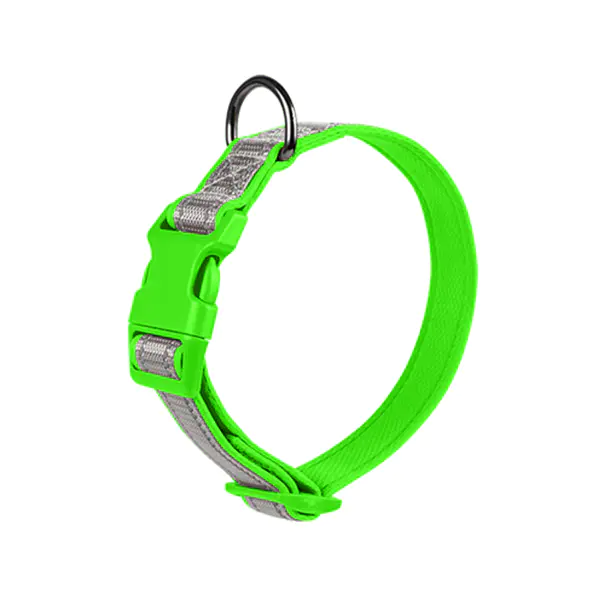
Bringing a new dog into your home involves plenty of choices, and selecting the ideal Collar ranks high on the priority list. Whether browsing aisles at a local pet shop or scrolling through endless online listings, the variety of designs, fabrics, and dimensions can quickly turn overwhelming. The Opey Dog Collar stands out as a popular pick for beginners thanks to its reliable build and practical features, serving as a solid benchmark while you weigh what truly counts for regular, long-term use. Beyond looking good, a Collar holds your dog's tags for quick identification, secures the leash connection, and rests against sensitive skin all day long. Nailing the choice early helps avoid repeated replacements, extra expenses, and unnecessary irritation for your pet.
Why Getting Collar Fit Right Matters From Day One
A poorly fitted Collar sets off a series of minor issues that can escalate fast. One that's overly loose risks sliding off entirely on a walk, raising the chance of your dog bolting into danger like oncoming vehicles. Conversely, a too-snug fit can hamper airflow, rub raw spots into the skin, and stay uncomfortable without you realizing it right away. Beginners frequently overlook the rapid neck growth in puppies, so a Collar that's spot-on today might choke tomorrow.
Fit isn't about estimating by eye. Almost every owner can rely on the same straightforward guideline, no matter the breed or age: the two-finger test. It's quick, consistent, and the best daily safeguard you have.
The two-finger rule, explained clearly:
- Fasten the Collar so it sits comfortably around the neck without sagging.
- Slip your index and middle fingers side by side (flat, not one on top of the other) under the Collar against the skin.
- They should go in with mild friction but without forcing or pinching.
- No space for fingers? Loosen it immediately—it's too constricting.
- Fingers glide in effortlessly with extra room? Tighten it up—it's hanging too loose.
This simple probe lasts seconds and deserves to become routine whenever you buckle up or spot shifts in your dog's build, fur density, or overall condition.
How Do You Measure a Dog's Neck for a Collar?
Taking a quick measurement upfront spares the hassle of exchanges and ensures you order (or pick) the right one first try. Grab a flexible fabric tape measure—like the ones tailors use—and coax your dog into a relaxed pose.
Steps for measuring your dog's neck:
- Have your dog stand or sit quietly; a helper can steady a wiggly one.
- Wrap the tape gently around the neck's middle—the spot where the Collar normally sits—keeping it flush to the fur and skin.
- Draw it snug enough to mimic real wear but never constricting.
- Record the number in inches or centimeters.
- Add roughly two inches (or five centimeters) for breathing room and growth buffer.
That extra allowance matches the two-finger guideline. For adjustable models, aim for your calculated size to land near the center of the range so there's wiggle room as your dog matures or the seasons change coat thickness.
What Collar Types Should a First-Time Owner Know About?
Different Collars handle different jobs, so pairing the right style to your dog's habits and your routine makes a big difference. The table below offers a balanced look at the main options and their typical roles.
| Collar Type | Primary Use | Key Consideration |
|---|---|---|
| Flat Buckle (Nylon or Leather) | Everyday wear, ID tag attachment | Not suitable for heavy pullers without additional training support |
| Quick-Release Collar | Puppies, play sessions, multi-dog households | Plastic or metal clip releases under pressure, reduces entanglement risk |
| Martingale (Limited-Slip) | Dogs with narrow heads or escape tendencies | Tightens slightly when tension is applied, releases when tension stops |
| Front-Clip Harness | Dogs that pull or have respiratory concerns | Redirects pulling to the side rather than the throat |
| Head Halter | Behavioral training with professional guidance | Not suitable for unsupervised wear; requires gradual introduction |
| Choke Chain / Prong Collar | Professional training contexts only | Should never be used unsupervised or without proper guidance |
| Shock Collar | Specialist behavioral contexts only | Requires professional oversight; not appropriate for everyday wear |
For the majority of newcomers, a basic flat buckle Collar works great for ID tags and casual outings, while adding a front-clip harness handles pulling during structured walks. If your dog belongs to a sighthound group or has ever backed out of regular Collars, consider keeping a martingale style in mind as a backup.
Is a Harness Better Than a Collar for Your Dog?
It comes down to the situation. Collars shine for holding tags and suiting dogs that stroll politely beside you. Harnesses spread tension over the chest and shoulders instead of the delicate throat area, offering clear advantages for strong pullers, brachycephalic breeds prone to respiratory strain, or any pup healing from neck trauma. Many experienced owners combine the two: Collar stays on for tags and quick grabs, harness takes over for actual leashing and control. This dual setup delivers safety and comfort without overcomplicating daily life.
Which Collar Materials Hold Up Over Time?
The material you pick plays a huge role in how comfortable the Collar feels, how long it lasts through daily wear, and how simple it stays to clean after muddy walks or rainy days. The table below breaks down the most popular choices along with their real-world strengths and drawbacks.
| Material | Durability | Water Resistance | Ease of Cleaning | Notes |
|---|---|---|---|---|
| Nylon Webbing | High | Moderate | Easy (rinse or wipe) | Lightweight; wide color range |
| Biothane | Very High | Excellent | Easy (wipe clean) | Slightly heavier; good for active dogs |
| Leather | High with care | Low | Requires conditioning | Softens over time; not ideal for wet conditions |
| Neoprene-Padded | Moderate | Good | Moderate | Gentle on skin; suits dogs prone to collar rub |
| Reflective Webbing | High | Moderate | Easy | Adds visibility in low light |
If your dog loves splashing in water or spends time at the beach, go for something waterproof like biothane or a fast-drying nylon webbing—these shrug off moisture and dry quickly without developing odors. For dogs with touchy skin or those who constantly scratch at their neck, a Collar with soft neoprene padding cuts down on rubbing and chafing. Genuine leather develops a handsome patina as it ages and can feel luxurious, but it demands regular conditioning to stay supple and should never stay soaked, since moisture can lead to cracking or mildew.
Are There Special Considerations for Puppies?
Puppies put on size so rapidly that many first-time owners are caught off guard—a Collar that slides on perfectly during week one can pinch uncomfortably by week four or five. Getting your puppy used to wearing a Collar from an early age makes it feel routine later on, but the introduction needs a gentle, gradual approach to keep things positive.
Guidelines for a puppy's first Collar:
- Pick a lightweight, ultra-soft fabric with minimal, rounded hardware that won't weigh the pup down or dig in.
- Start with brief wear times of ten to fifteen minutes, praising and treating calm acceptance every step of the way.
- Measure the neck every couple of weeks while growth is fastest, and swap or loosen the Collar before it gets restrictive.
- Never leave any Collar on a young puppy when you can't supervise, especially during naps, play in crates, or unsupervised romps—it can snag on furniture, toys, or fencing.
- Once growth levels off and adult size stabilizes, switch to a more durable everyday Collar built for the long haul.
A plain, soft nylon buckle Collar or one with light padding makes an excellent beginner option for almost any puppy. Steer clear of Collars loaded with buckles, chains, or intricate adjustments until the dog is comfortable and mature enough to handle them.
Can You Leave a Collar on a Dog All the Time?
It hinges on the Collar design and your household routine. A standard flat buckle Collar equipped with a quick-release or breakaway mechanism is usually safe for round-the-clock wear, including supervised yard time in a secure fence. That said, taking it off at bedtime or whenever the dog is crated cuts the odds of accidental snags when no one is around to help.
Collars that should never stay on without direct supervision:
- Choke chains - they can cinch permanently if looped around something.
- Prong Collars - meant strictly for brief, hands-on training moments.
- Electronic/shock Collars - not built or safe for constant use due to battery and skin-contact issues.
- Gentle leader or head halter styles - these belong on only during active walks or training.
For dogs that do wear a Collar nonstop, make it a weekly habit to examine the buckle, D-ring, stitching, and fabric for cracks, rust, fraying edges, or loose parts. Swap it out the moment anything looks questionable—better to replace early than risk a failure during a walk.
What Information Should Go on an ID Tag?
Clipping a sturdy ID tag to the Collar's D-ring remains one of the easiest, most effective ways to help a lost dog find its way home quickly. At bare minimum, engrave or print your dog's name plus one up-to-date phone number you answer reliably. Adding a second contact (a family member, close friend, or neighbor) gives extra insurance if the first line is unreachable. Many people also add a short phrase like "Microchipped—please scan" to prompt finders to check for a chip rather than assuming the tag is all there is. Keep the microchip registration current with your latest address and contact details so the system works when it matters most.
What Should a New Owner Do If Their Dog Pulls on the Leash?
Leash pulling happens frequently with excited youngsters, strong breeds, or dogs still learning manners on walks. Relying on a neck Collar to stop pulling by jerking the leash often does more harm than good, risking bruising, coughing, or long-term damage to the trachea and throat. Instead, pair a no-pull front-clip harness with patient, reward-based training. The front attachment turns the dog toward you whenever it surges ahead, breaking forward momentum naturally and teaching better walking habits over time without discomfort. For dogs that pull hard, lunge at distractions, or show reactivity, booking sessions with a certified trainer or behaviorist pays off in safer, more enjoyable outings.
A Buying Checklist Before You Shop
Run through these key points before clicking "add to cart" or heading to the store—it helps you land on a Collar that fits well, lasts, and matches your dog's lifestyle from the start.
- Purpose - Decide if this Collar handles ID tags only, daily walks, training sessions, or multiple roles.
- Correct measurement - Use a soft tape to get an accurate neck size, then verify the Collar's adjustment range includes comfortable room for your dog now and soon.
- Material match - Factor in your dog's energy, skin type, and how often it encounters water, dirt, or rough play.
- Safety features - Look for a quick-snap or breakaway buckle whenever the Collar will stay on for hours or unsupervised stretches.
- Hardware quality - Feel the weight and smoothness of the D-ring, buckle, and rivets; everything should feel sturdy, move freely, and show no rough edges.
Common Mistakes and How to Avoid Them
First-time owners often repeat the same handful of slip-ups with Collars. Spotting them ahead of time lets you dodge the headaches.
- Buying by guesswork instead of measuring - Breed charts or weight estimates lead to wrong sizes far more than accurate tape readings do. Measure every time.
- Keeping training-only Collars on 24/7 - Tools like choke chains, prongs, or e-Collars are for short, guided sessions, never all-day wear.
- Overlooking gradual hardware deterioration - A buckle that's starting to split or a rusty D-ring can let go unexpectedly. Inspect regularly.
- Forgetting to re-check puppy sizes - Necks expand fast in the first months; schedule quick measurements every few weeks.
- Counting on a Collar to fix heavy pulling - Neck pressure won't solve the physics of a forward-leaning dog. Switch to a front-clip harness for better mechanics and kinder results.
Caring for a Collar Over Time
Keeping a Collar in good shape through regular cleaning and basic upkeep dramatically extends its useful life compared to letting dirt, sweat, and moisture build up unchecked. For nylon webbing Collars, a quick rinse under the tap followed by complete air-drying works well—hang it somewhere ventilated so it doesn't stay damp. Biothane styles wipe down easily with a wet rag or mild soap solution and dry almost instantly. Leather Collars stay supple longer when you apply a dedicated conditioner every few months, and if they get soaked, let them dry naturally at room temperature rather than near a heater or in direct sun to avoid stiffening or cracking. Collars exposed to pool chlorine, winter road salt, or heavy mud deserve an immediate rinse afterward; otherwise those chemicals can break down fibers or hardware over time.
Swap the Collar out as soon as you notice the buckle failing to latch securely, deep fraying along the edges, or stitching pulling away at stress points like the D-ring attachment. A sudden break on a walk can turn a routine outing dangerous, so replacing it proactively when wear becomes obvious is the safer move every time.
Bringing It Together
Picking the best Collar for a new dog comes down to tailoring the choice to that individual animal rather than chasing one perfect universal option. A laid-back grown-up dog that walks nicely needs something different from a bouncy adolescent pup still growing or a slender sighthound prone to backing out of standard Collars. Stick to the essentials—nail the two-finger fit check, take an accurate neck measurement before buying, and think clearly about how the Collar will actually get used every day—and you've covered the core of what keeps things safe and comfortable. Add in routine hardware inspections, periodic re-measuring during growth spurts or weight changes, and reaching for a front-clip harness when pulling shows up consistently, and the whole setup stays simple and reliable. A Collar may seem like a minor detail, but it plays a quietly important role in identification, control, and everyday safety. Approaching it thoughtfully right from day one builds a strong, low-drama routine that lasts.