
 English
 中文简体
中文简体 русский
Pet hair has a stubborn way of making itself at home. It works its way into sofa cushions, wraps itself around wool fibres, and somehow always appears on the back of a dark jacket at the worst possible moment. If you have ever pressed a lint roller over the same patch of fabric three times and still found half the hair clinging there, the problem is not effort — it is tool choice. A well-made pet hair remover comb, like the Opey Pet Hair Remover Comb , takes a different approach entirely. Instead of relying on a sticky surface that loses grip after a few rotations, it uses teeth or rubberized tines to grip hair and pull it free from deep inside the fabric weave. That difference matters more than most people realise. Surface type, hair length, how densely the hair is packed, and the fabric construction all change the outcome. Same mess, different material — different tool needed.
How Each Tool Actually Works
Rollers are simple in principle. Whether adhesive-sheet or reusable rubber, they work through surface contact — picking up whatever is resting on top of a fabric. Fresh adhesive on a smooth cotton shirt? Fast and satisfying. But on upholstery where hair has been pressed in over weeks? The roller skims the surface while the real problem stays put.
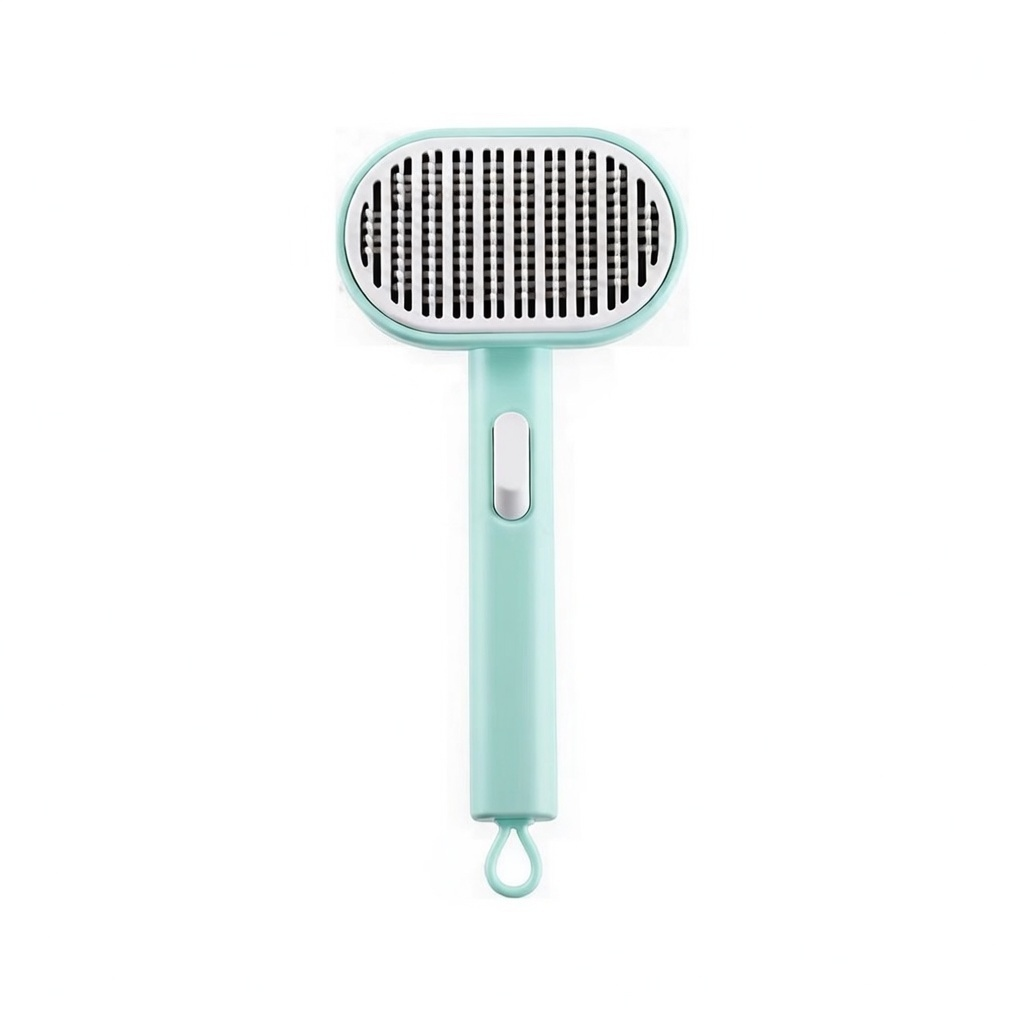
Combs work from the inside out. The tines physically move through the fabric structure, catching hair that has become embedded between fibres rather than just lifting what sits on top. That is the mechanical reason combs outperform rollers on heavy shedding areas — they are reaching a layer the roller never touches.
A few variables that quietly determine which tool wins:
- Hair length — longer strands catch on comb teeth more efficiently; very short hair often suits a roller better
- Fabric nap — deep-pile materials like fleece and velvet trap hair where adhesive cannot follow
- Shedding volume — a heavy deposit benefits from a comb pass first, roller to finish
- Surface — skin requires a proper epilator or grooming comb attachment; rollers have no place near skin
- Static — in dry environments, static reduces roller tack noticeably, whereas a comb is unaffected
Which Scenarios Call for a Comb, and Which for a Roller?
Does the surface type determine the tool?
Mostly, yes. The match between tool and surface is where most people go wrong — not in technique, but in the initial choice.
| Surface / Scenario | Recommended Tool | Caution |
|---|---|---|
| Pet hair on upholstery (sofa, car seats) | Comb or rubber brush | Avoid metal teeth on delicate weaves |
| Pet hair on wool or fleece coat | Comb first, roller to finish | Test on a hidden area first |
| Lint and light hair on cotton or polyester | Adhesive roller | Replace sheets frequently |
| Silk, chiffon, or loosely woven fabric | Soft rubber comb only | No adhesive rollers at all |
| Suede or nubuck surfaces | Specialized suede brush or soft comb | Adhesive leaves residue |
| Body hair removal (legs, arms) | Epilator with comb attachment | Never use adhesive rollers on skin |
| Knitwear (chunky or looped knit) | Soft rubber tool only | Snagging risk is high with standard combs |
Pet Hair on Furniture: Why Depth Changes Everything
A sofa that has been a pet's regular sleeping spot for a few weeks tells the whole story. One roller pass pulls up a satisfying layer of surface hair — and then the next pass does almost nothing, because the rest of the hair is woven into the fabric itself. A rubber or wide-toothed comb, worked in short strokes moving consistently in one direction, gets to that layer. It is slower, yes. But the result looks different.
For furniture, this sequence works:
- Vacuum first — clear loose debris so the comb can focus on embedded hair
- Work in sections, short directional strokes, never back-and-forth scrubbing
- Clear the teeth every few strokes before the collected hair re-embeds
- Follow with a roller pass to catch the fine hairs the comb has loosened
- For very deep pile or heavy buildup, run the comb pass twice before finishing
On Clothing, Context Decides
Smooth cotton or synthetic fabrics — a roller handles these quickly and cleanly. But anything with texture or nap changes the calculation. Wool and fleece hold hair in a way that rewards a comb pass first, with the roller handling the final sweep. Loosely woven or delicate fabrics should not see an adhesive roller at all.
By clothing type, quickly:
- Smooth cotton or synthetic: roller only, no comb needed
- Wool, cashmere, or fleece: comb then roller
- Delicate or loosely woven fabric: soft rubber comb, nothing adhesive
- Dark clothing with fine pet hair: damp rubber glove or rubber comb, then roller
Are Rollers Ever Harmful to Fabric?
Worth addressing plainly, because it affects how you shop. Adhesive rollers are fine on smooth, tightly woven, medium-weight fabrics — the kinds that form the bulk of most wardrobes. The problems show up in three specific situations.
On silk or fine linen, the adhesive catches the weave itself and can create small pulls that do not come out. On velvet, chenille, or looped knit surfaces, it grabs the loops — not just the hair — and can permanently alter the texture. On suede or nubuck, adhesive leaves a residue that flattens the nap in a way that is very difficult to reverse.
A soft rubber comb sidesteps all three risks. When in doubt about a fabric, test in an inconspicuous spot before committing.
How to Use a Comb Correctly
Technique here is not just detail — it is where results are actually made or lost.
The process, step by step:
- Prepare first. Shake out the item if possible, vacuum if it is upholstery. Starting cleaner means the comb focuses on embedded hair rather than surface debris.
- Match tooth spacing to the fabric. Fine-tooth combs handle short pet hair on tightly woven fabric well. Wide-tooth combs suit longer hair and looser weaves without snagging.
- One direction, short strokes. Scrubbing back and forth redistributes hair. Moving in one consistent direction lifts it.
- Hold the comb at a low angle. Roughly 30 to 45 degrees against the fabric surface reduces the chance of digging into the weave.
- Clear the teeth constantly. Tines clog fast. A few strokes, then a pause to clear — otherwise you are just moving hair around.
- Roller finish. The comb loosens; the roller catches the rest.
What Goes Wrong When the Wrong Tool Is Used?
Common mistakes that reduce results
This is where most frustration comes from. The hair is still there after multiple passes, so the instinct is to press harder or switch sheets. But often the issue is not effort.
- Reaching for an adhesive roller on velvet or chenille grabs the fabric surface, not just the hair, and can permanently change the texture
- Pressing too hard with a comb on delicate or loosely woven fabric causes snagging, particularly on fine wool
- Skipping the vacuum step means surface debris clogs the comb or reduces roller tack before either tool has a real chance
- Back-and-forth comb motion redistributes rather than removes hair and fatigues the fabric at the same time
- Not cleaning the tool between sessions — a clogged comb picks up a fraction of what a clean one does
Small adjustments to these habits make a more noticeable difference than switching to a more expensive tool.
Keeping Tools in Good Condition
Clean tools perform predictably. Dirty ones do not.
For combs: remove collected hair after each use, either by hand or under warm running water. If the comb is used on skin or near the face, mild soap and full air drying before storage. Keep rubber-tined combs away from prolonged direct sunlight — it dries the material over time and reduces flexibility.
For adhesive rollers: peel used sheets fully rather than folding them back, and store with a cover or case to prevent dust from reducing tack. Reusable silicone rollers can be rinsed with warm water, but they need to dry completely — moisture temporarily reduces grip, and using a damp roller is counterproductive.
Replacement is straightforward to judge. A comb with bent, cracked, or missing teeth needs replacing. For rollers, the signal is a fresh sheet that makes no visible difference after a firm pass — the adhesive has reached the end of its useful life.
A Practical Workflow
Getting pet hair off a heavily used sofa before guests arrive is not the ordeal it sometimes feels like. A consistent sequence takes the guesswork out.
- Upholstery vacuum attachment first — removes the majority of loose hair in a pass or two
- Wide-tooth rubber comb across the fabric, short directional strokes, clearing the teeth as you go
- Adhesive roller to pick up what the comb has loosened from the surface
- Wipe the comb clean, dispose of the used sheet
A two-seat sofa, including the vacuum step, takes under ten minutes. The result is clearly better than using either tool alone — which is the point. Neither a quality comb tool nor a roller is a complete solution on its own; the combination is.
For a wool coat after a car journey with a shedding dog: same logic, gentler pressure. Soft comb pass first, roller to finish. Check the care label, avoid aggressive strokes, and the coat comes out clean without damage.
Five Things Worth Keeping in Mind
The comb-versus-roller question really comes down to two things: how deep the hair is sitting, and what the surface can tolerate. Most people already own both a comb-style tool and a roller — getting more from them is mostly a matter of using each where it belongs.
- Adhesive rollers do not belong on silk, suede, velvet, or loosely knitted fabric
- Combs need to move in one direction — back-and-forth does more harm than good
- Vacuuming before combing is not optional if you want good results
- Tools that are not cleaned between uses lose effectiveness quickly
- When a fabric type is unfamiliar, test any tool in a hidden spot first
A home shared with a shedding pet will always generate more hair than feels reasonable. But with the right approach — matching tool to surface, combining comb and roller in sequence, keeping both clean — staying on top of it stops being the ongoing battle it tends to become. The effort stays small; the results stay visible.