 English
 中文简体
中文简体 русский
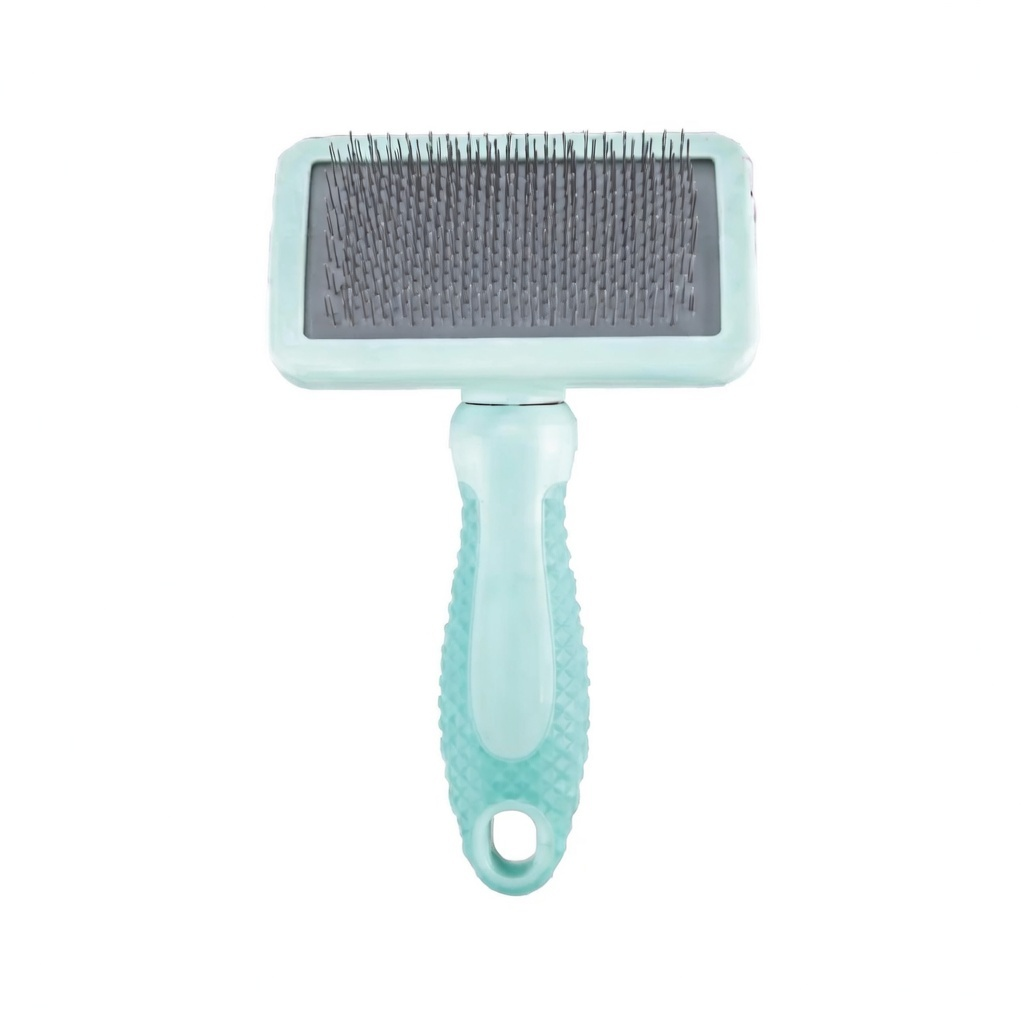
There is a particular kind of mild panic that strikes when you glance at your sofa seconds before someone knocks on the door. A thick layer of pet hair covers every cushion, and the clock is working against you. If that moment sounds familiar, you are in the right place. The methods in this guide, which have been gathered and tested across fabric types ranging from heavy upholstery to delicate velvet, will show you how to clear pet hair from furniture quickly using common household items. Among the tools worth keeping nearby is the Opey Pet Hair Remover Comb, a reusable option that handles both short and long hair on multiple surfaces without the ongoing cost of disposable rollers.
Why Pet Hair Clings to Furniture in the First Place
Understanding why hair sticks helps you remove it more efficiently. It is not random. There are three forces working together against you every time your pet settles onto the couch.
Static electricity is the primary reason hair attaches so stubbornly to fabric. When a pet moves across upholstery, friction generates a charge. Hair becomes magnetised to the surface, and the lighter the hair, the stronger the effect. This is why cat hair on microfiber can feel nearly impossible to remove with a single pass of your hand.
Fabric nap and texture play an equally significant role. Woven fabrics have small loops and fibres that physically trap individual hairs, locking them in below the surface level. Velvet is the clearest example: its dense pile grabs hair and holds it even under moderate suction.
Natural oils from fur act as a mild adhesive over time. When a pet has a regular spot on the couch, the oils gradually bond the hair to the surface, making fresh cleaning methods necessary rather than a simple brush-off.
| Surface Type | Why Hair Clings | Difficulty Level |
|---|---|---|
| Woven fabric | Deep fibre loops trap hair | Moderate |
| Microfiber | Dense pile holds static charge | High |
| Velvet | Directional nap locks hair in | High |
| Leather | Smooth surface, less grip overall | Low to Moderate |
| Seams and crevices | Hair compacts into clumps | High |
The Toolkit You Need for a 5-Minute Cleanup
Before beginning, gather your tools. A fast cleanup depends on having the right items within arm's reach, not hunting through cupboards mid-task.
Items you likely already have:
Rubber dishwashing gloves (slightly damp)
- A clean microfiber cloth
- Lint roller or wide packing tape
- Dryer sheet (unscented works well)
- A damp sponge with a firm face
- Handheld vacuum with a brush nozzle
Optional tools that speed things up:
- A reusable rubber-bristle pet brush
- A Pet Hair Remover Comb for fabric surfaces
- A dedicated upholstery brush with stiff natural bristles
Quick setup before you begin:
- Clear any throw cushions and set them aside to treat separately.
- Check your fabric type so you choose the right method.
- Test any damp tool on a hidden section of the furniture first.
- Keep a bin or paper bag nearby to collect hair as you work.
Does the Order of Tools Actually Matter?
Yes, and it makes a noticeable difference. Starting with the wrong tool on a heavy layer of pet hair means you spread it rather than collect it. The general principle is to loosen before lifting and lift before vacuuming.
Step-by-Step 5-Minute Methods for Every Surface
Each method below is self-contained. You can use one or combine two depending on how much hair you are dealing with.
Method A: Rubber Glove Sweep (60 to 120 seconds)
This is the method that surprises people the most because rubber gloves are almost always in the kitchen already.
- Put on a pair of rubber dishwashing gloves and run your hands briefly under water. Shake off the excess so the gloves are just slightly damp, not dripping.
- Press your palms firmly against the fabric and move in short, firm strokes in one direction only. Hair will ball up into clumps within a few passes.
- Collect the clumps by hand and drop them into your bin.
- Repeat with slightly more pressure in any areas where hair is embedded deeper.
Works well on: woven fabric, upholstered armchairs, couch backs. Less effective on velvet and leather.
Method B: Damp Microfiber Cloth or Sponge (60 to 120 seconds)
- Dampen a microfiber cloth or firm sponge until it holds moisture without dripping. Wring it firmly twice.
- Begin at the top of the furniture piece and swipe downward in overlapping rows.
- Rinse the cloth after every two passes and wring again.
- Finish with a dry microfiber cloth to remove any surface moisture.
Works well on: leather, faux leather, and lightly textured fabrics. Avoid this method on velvet.
Method C: Lint Roller and Dryer Sheet Combination (60 to 90 seconds)
- Begin with a dryer sheet. Rub it in a circular motion across the surface to neutralise static. This loosens hair that would otherwise resist the roller.
- Follow immediately with a lint roller using slow, overlapping passes.
- Peel the sheet on the roller as soon as it fills. Using a full sheet doubles your time.
Works well on: most fabric surfaces, including microfiber. The dryer sheet step matters most on synthetic fabrics where static is strong.
Method D: Packing Tape Emergency Method (30 to 60 seconds)
- Tear off a strip of packing tape roughly the width of your hand.
- Fold it into a loop with the sticky side out, or press it flat and use the edge to dab.
- Press and lift rather than drag to avoid leaving adhesive behind.
- Use fresh tape every few passes.
Works well on: leather, smooth fabric, velvet. Move slowly on velvet to avoid disrupting the pile direction.
Method E: Handheld Vacuum with Brush Attachment (90 to 150 seconds)
- Attach the upholstery brush nozzle.
- Move the vacuum in slow, overlapping passes rather than rushing across the surface.
- On heavily loaded cushions, press the cushion down lightly with one hand while vacuuming to expose embedded hair.
- For seams and tufted areas, hold the nozzle directly over the crease and let suction do the work before brushing.
Works well on: all surfaces, especially as a finishing step after using gloves or a cloth.
Method F: Static Charge Tricks (30 to 60 seconds)
Inflating a balloon and running it just above a fabric surface creates enough charge to pull loose hair upward. This works for light coverage. A rubber-bristle brush achieves something similar on thicker deposits. On velvet, always brush in the direction of the nap to avoid flattening it.
Surface-Specific Micro-Routines
| Surface | Step 1 | Step 2 | Time |
|---|---|---|---|
| Leather | Damp microfiber swipe | Light buff dry | 40 seconds |
| Microfiber | Rubber brush in one direction | Vacuum pass | 60 seconds |
| Velvet | Soft brush with nap | Tape dab | 45 seconds |
| Seams and crevices | Press tape into seam | Vacuum | 30 seconds |
What Happens When Hair Clumps Into Nests?
Heavy buildup, particularly from long-haired pets, creates dense matted nests along cushion edges and under armrests. These resist standard passes. Use the edge of a stiff rubber brush or even a clean plastic card to scrape these clumps loose first. Once broken up, vacuum immediately before the hair scatters again.
For hair pressed deep into tufted buttons or seams, fold tape around your fingertip and press directly into the crevice. A pair of tweezers handles hair tangled around individual threads. A Pet Hair Remover Comb with fine teeth also works here, pulling embedded fibres up and out without pulling at the fabric itself.
Common Mistakes That Make the Job Harder
Avoiding these errors saves both time and potential fabric damage.
- Rubbing back and forth aggressively — this spreads hair and generates more static. Always work in one direction.
- Over-wetting the cloth or sponge — excess moisture can leave water marks on fabric, especially on microfiber.
- Using a stiff tool on velvet — velvet nap is delicate. Hard bristles leave permanent marks.
- Skipping the static step — on synthetic fabrics, going straight to a lint roller without a dryer sheet pass first means the hair springs back up.
- Vacuuming without pre-loosening — on dense fabric, vacuum suction alone cannot pull deeply embedded hair. Loosen it first with gloves or a brush.
How Do You Keep Hair from Building Up Again?
Prevention takes less effort than emergency cleanup. A few small habits repeated consistently reduce the scale of the problem.
Daily (about 60 seconds):
- Keep a throw blanket folded over the pet's favourite spot and shake it outside daily.
- After brushing your pet, run a rubber glove once over any surface they frequent.
Weekly (about 2 to 5 minutes):
- Vacuum all upholstered surfaces with the brush nozzle.
- Rotate or flip removable cushion covers so hair does not build up on one side.
Before guests arrive:
- Clear throw blankets first, then run the rubber glove method on exposed surfaces.
- Finish with a single lint roller pass on any visible area.
A Practical Product Checklist
When choosing tools for pet hair removal, keep these qualities in mind rather than chasing specific brand names.
| Tool Type | Useful Feature | Good For |
|---|---|---|
| Handheld vacuum | Strong suction, brush nozzle included | All surfaces |
| Reusable rubber brush | Self-cleaning mechanism, firm bristles | Fabric and microfiber |
| Pet hair remover comb | Fine-toothed, fabric-safe material | Seams and velvet |
| Lint roller | Wide rolling head | Quick daily passes |
| Reusable silicone gloves | Textured palm surface | Emergency cleanup |
Reusable tools cost more initially but reduce ongoing waste and expense. Disposable options like lint rollers are more convenient for travel or guest prep kits kept near the door.
One Bonus Habit Worth Trying
After your full cleanup, run a slightly damp dryer sheet over every surface in one final pass. The light conditioning agents in the sheet leave a faint barrier on the fabric that makes the next layer of hair sit on top rather than embedding. It does not make surfaces stain-resistant or change their texture, but it does mean your next cleanup takes noticeably less effort.
Pet hair on furniture is one of those everyday frustrations that rarely disappears entirely, but it does respond quickly to the right combination of tools and method. Starting with the rubber glove on fabric or a damp cloth on leather handles the bulk of the work, while targeted tools like tape and the Opey comb take care of whatever is left in tight spaces. Building small daily habits around a throw blanket and a quick brush means the emergency five-minute cleanup becomes the exception rather than the rule, which is a shift that makes living with a pet considerably more relaxed.