
 English
 中文简体
中文简体 русский
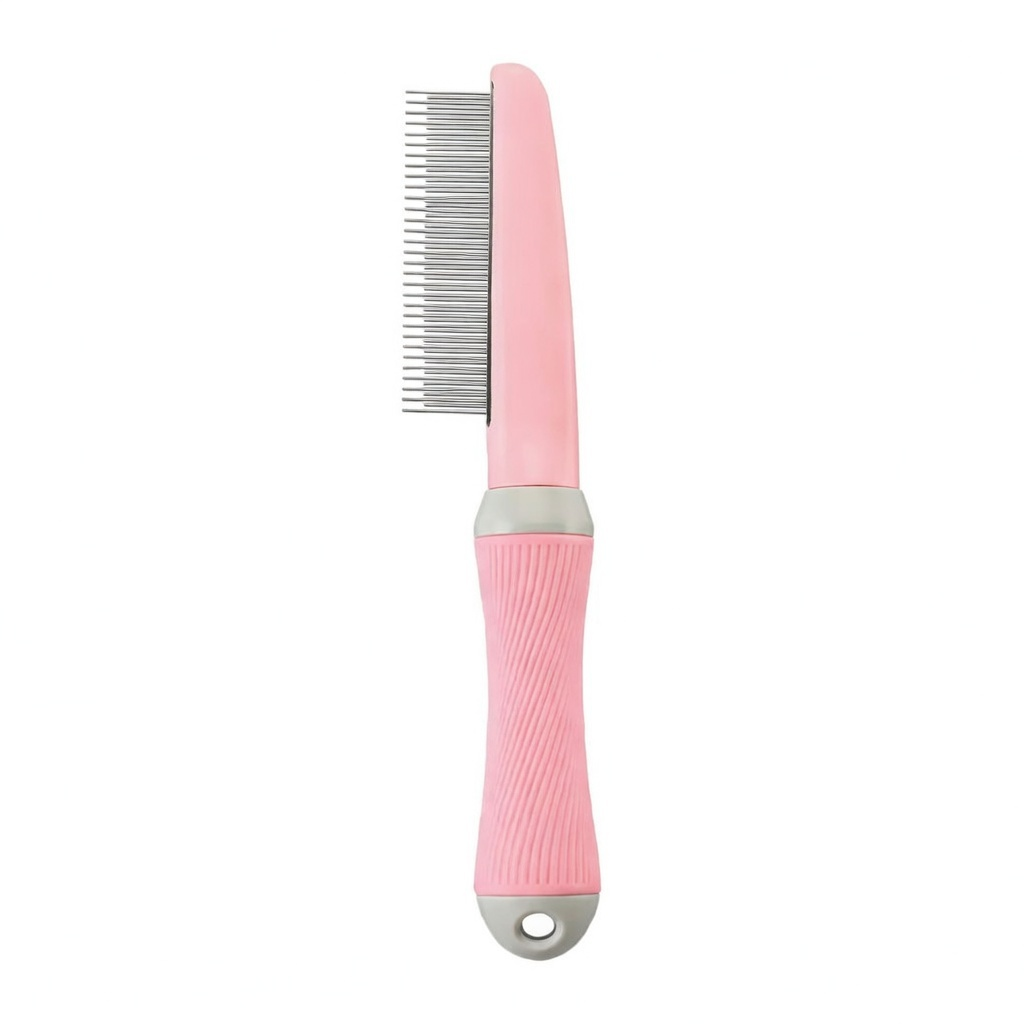
Many pet owners are familiar with that moment when their companion starts to shake at the sight of a brush or tries to leave the area around the tub. These clear signs of discomfort go beyond mild unwillingness—they indicate real anxiety that can make routine grooming feel tiring for both the pet and the owner. The task is not about making the pet comply through pressure but about carefully rebuilding comfort with calm, step-by-step methods that respect the animal’s emotions. Using patient techniques and tools such as the Opey Pet Grooming Comb , even particularly anxious pets can gradually settle into grooming sessions with less stress. Getting familiar with how fear responses develop in animals and applying slow, positive conditioning approaches helps establish trust while still addressing basic coat and skin needs.
Why Does Grooming Anxiety Deserve Serious Attention?
When a nervous pet is pushed through grooming despite clear signs of fear, the effects often linger well past the session itself. Each uncomfortable or upsetting experience tends to strengthen their apprehension, so future attempts can feel more overwhelming and carry greater risk of mishaps for the pet and anyone involved. Pets that frequently endure tight holding or forced procedures may begin showing unease in unrelated situations, grow more hesitant around people, or respond protectively in ways that alter their usual interactions at home.
In addition to the emotional strain, high-stress grooming carries noticeable physical concerns. A fearful animal might pull suddenly and hurt itself against equipment, get clipped accidentally during a flinch or twist, or show temporary stress responses such as faster breathing, raised pulse, or minor stomach issues. The person grooming can receive unexpected scratches or nips, and ongoing challenges like these sometimes create distance or frustration in the relationship with the pet.
Fortunately, well-established techniques from animal behavior offer reliable ways to improve the situation. Introducing grooming elements gradually while using rewards to mark calm moments helps many pets begin to view the process more positively. Although meaningful change calls for regular practice and a measured pace rather than instant improvement, owners typically see steadier sessions, less chance of injury, and a return to easier, more trusting daily handling.
What Signs Reveal Your Pet's Grooming Discomfort?
Catching the earliest clues of discomfort lets you adjust or pause before the pet reaches a point of real distress or defensive action. Pets tend to express unease through subtle changes in posture, face, and movement long before anything more obvious appears.
Mild anxiety indicators include:
- Frequent yawning when they aren't tired
- Repeated licking of the lips or nose
- Looking away or turning the head from hands or tools
- Stiffening of the body or tight muscles
- Shifting position, stepping back, or trying to slip away
- Tail held lower than normal in dogs
- Ears pulled back or flattened in cats and dogs
Moderate stress signals involve:
- Shaking or trembling in a room that feels comfortable
- Strong panting in dogs even without recent activity
- Whining, meowing, or other sounds of upset
- Pulling firmly to escape contact
- Quick, air-snap movements or swats that miss
- Drooling when nothing food-related is happening
Severe anxiety manifests as:
- Going rigid and completely still
- Sudden lunges or attempts to bite
- Accidental loss of bladder or bowel control
- Intense, nonstop trembling
- Prolonged loud vocalizing or yowling
- Slumping down or inability to hold a standing position
Cats and dogs often display their discomfort in noticeably different patterns. Cats frequently stay motionless for a time before making a rapid attempt to flee, while dogs more commonly show a progressive increase with visible panting and shaking. When held, a cat might twist and thrash forcefully, whereas a dog is more inclined to voice distress through barking, whining, or growling. Being familiar with these typical differences makes it simpler to read the specific signals your own pet gives.
| Anxiety Level | Dog Signals | Cat Signals |
|---|---|---|
| Mild | Yawning, lowered tail, tense stance | Ears back, whiskers flat, slow blinks |
| Moderate | Panting, whining, backing away | Low growling, thrashing tail, dilated pupils |
| Severe | Freezing, snapping, loss of control | Screaming, violent struggling, biting |
How Should You Prepare the Environment and Gather Supplies?
Planning ahead thoughtfully can head off several common sources of worry right from the start. Setting up a calm area and having the proper items ready helps keep things smoother and more relaxed for both of you.
Choose optimal timing by considering:
- Times when your pet naturally appears settled and content
- After a gentle walk or mild play to ease built-up energy
- Moments well away from mealtimes to avoid hunger-related fussiness
- Quieter periods when the home has fewer disturbances
Complete a health screening because:
- Skin irritation, heavy matting, or small cuts can turn touch into something sore
- Mouth or tooth discomfort may cause pulling away from face handling
- Stiff joints or soreness can make certain postures difficult
- Ear sensitivity often leads to resistance when the head is approached
Talk to a veterinarian if you observe limping, reddened skin, frequent scratching, or flinching at touch in particular spots. Clearing up any discomfort or pain should come before working on behavior adjustments.
Environmental setup should include:
- A peaceful room separated from regular household movement
- Mats, rugs, or towels that keep paws from slipping
- A steady, pleasant room temperature without sudden breezes
- Softer lighting that avoids harsh glare from above
- Keeping other animals elsewhere to reduce extra stimulation
Assemble your toolkit with these items:
- Grooming tools picked to suit your pet's coat length and type
- Small, especially appealing treats that can be given quickly
- Soft towels ready for light, supportive holding if useful
- Cleaning wipes or supplies placed nearby
- A padded, stable spot for your pet to stand or rest
Choose a grooming comb that fits the coat while keeping your pet's current comfort in mind. Softer, finer combs tend to work best in the beginning stages, letting you switch to ones with more grip only after your pet shows consistent relaxation.
Pre-session routine helps by:
- Including a short, easy walk or calm play session
- Allowing a brief quiet break to unwind afterward
- Making sure every interaction stays gentle and low-key
- Steering clear of high-energy play or excitement just before
- Keeping your own manner calm and steady to encourage relaxation
Can Gradual Training Really Change Your Pet's Response?
Gradual, structured training can indeed help a pet feel differently about grooming by presenting it in small pieces and always connecting those pieces to something enjoyable. This method builds new, comfortable associations over time instead of the old fearful ones. It depends on steady repetition, careful timing, and an understanding that progress unfolds slowly.
Foundation principles for all training phases:
- Keep every session short, usually just a minute or two
- Finish while the pet is still calm and before any worry shows
- Reward relaxed behavior the instant it happens with treats or gentle praise
- Move to the next step only after the current one feels easy
- Practice regularly—ideally daily or several days each week
Building Trust Through Gentle Touch
Start with plain, tool-free handling that imitates grooming motions. This initial step shows your pet that being touched leads to pleasant things rather than anything stressful.
Touch exercises to practice:
- Lightly run your hand along the back for a few seconds, then offer a treat immediately
- Gently lift and hold a paw briefly while looking at it, followed by a reward
- Softly touch an ear and glance inside without any further action
- Carefully handle the muzzle area for just a short moment
- Smooth your hands down the legs and along the tail in slow strokes
Make the first touches very brief—often only seconds long—and pair them right away with a reward. Extend the time slightly only when your pet stays fully relaxed from start to finish. If any sign of tension appears, step back to shorter contact so the experience remains positive.
Introducing Grooming Tools Slowly
Once your pet is comfortable with regular handling, start bringing grooming tools into view while keeping everything positive.
Tool introduction sequence:
- Set the tool down on the floor nearby and give treats when your pet looks at it calmly
- Allow your pet to approach and sniff the tool on their own, rewarding any relaxed interest
- Lightly rest the tool against your pet's body without moving it, then offer treats
- Try one or two slow, gentle strokes with the tool and follow immediately with several treats
- Slowly build up to more strokes as long as your pet stays relaxed throughout
Begin with the least concerning tool—usually a soft brush or gentle grooming comb—before moving on to clippers, nail files, or other items. For anything that makes noise or has moving parts, leave it turned off at first so your pet can get used to how it looks and smells before hearing or feeling it in action.
Addressing Noise Sensitivity
A number of pets become uneasy around the buzz of clippers, the hum of a dryer, or even running water. Getting them used to these sounds takes separate, careful steps done away from actual grooming at first.
Noise exposure protocol:
- Play very quiet recordings of typical grooming noises during regular treat times
- Start with the sound coming from another room if it helps keep things calm
- Raise the volume bit by bit across several sessions over a period of weeks
- Switch on clippers or a dryer from across the room while giving treats for staying settled
- Gradually bring the running equipment closer only when relaxation continues
- Eventually run the tool near your pet without making contact
Always pair any sound with especially good rewards to build a link between the noise and pleasant things. If you notice any tension at a particular level, lower the volume or increase the distance right away and take more time at the easier stage.
Combining Elements Into Grooming Sequences
After your pet accepts touch, tools, and sounds on their own, begin putting them together in short practice runs that feel like grooming but stay very brief.
Practice sessions might include:
- A few gentle brush strokes on just one part of the body
- Sliding turned-off clippers along the coat while offering treats
- Letting paws touch a small amount of lukewarm water briefly
- Holding a paw and lightly touching the nails without trimming
- Wiping with a slightly damp cloth for only a few seconds
Limit these combined practices to very short periods—sometimes less than a minute—and stop well before any discomfort shows. The aim is to stack up good experiences rather than finish a full groom.
Track your progress using simple notes:
- Date and time of each session
- What activities were practiced
- How long calm behavior lasted
- Any signs of unease that appeared
- Types of treats or rewards given
Keeping a short record like this makes it easier to notice what's working, see small improvements, and decide when to slow down or move forward.
What Makes a Grooming Session Go Smoothly on the Day?
When the time comes to try a more complete grooming session, paying attention to timing and flow helps keep anxiety low and the experience safer for everyone.
Pre-session preparation involves:
- A light walk or playtime to use up some energy without tiring your pet out
- Skipping large meals beforehand to avoid any stomach upset
- Collecting every tool and supply ahead of time so nothing needs to be fetched later
- Letting clippers warm up if needed and checking that everything works
- Placing treats where they're easy to reach without searching
Follow this general sequence for home grooming:
- Start with short, easy brushing on areas your pet usually enjoys
- Work through any knots or mats slowly, taking breaks as needed
- Move to bathing only if brushing goes smoothly
- Use comfortably warm water and keep movements steady but unhurried
- Dry with a towel gently, giving treats along the way
- Save nail trimming for the most relaxed moments or move it to a separate day
Break the session into short grooming bursts followed by quiet pauses. For instance, brush for a few minutes, then stop to offer treats and calm attention before picking up again. This gives your pet time to reset mentally and helps avoid overload.
Emergency stop rules to follow:
- Stop right away and step back if your pet starts struggling hard
- End the session completely when clear signs of strong stress appear, even if little has been done
- Never push forward if aggression shows up
- Go back to simpler steps your pet already handles well
- Plan the next try for another day instead of trying to finish
After grooming concludes:
- Offer a favorite treat or short play session
- Give your pet some quiet space to relax
- Take a calm walk or do another enjoyable activity together
- Keep the mood relaxed and upbeat
- Avoid any scolding for behavior shown during the session
Do Calming Aids and Special Tools Actually Help?
A range of products are marketed to ease pet anxiety during grooming, and their usefulness varies from one animal to another. Knowing what each option does can help you choose what might suit your pet.
Equipment considerations include:
- Clippers made to run more quietly and reduce sudden startling
- Dryers with adjustable speeds so you can start very low
- Brushes and combs shaped for easier handling over longer periods
- Mats or surfaces that stay grippy to prevent slipping worries
Non-pharmaceutical calming aids worth considering:
- Pheromone diffusers designed for cats or dogs that can encourage a calmer state
- Fitted pressure wraps or vests that apply steady, light pressure
- Quiet, soothing background music played softly
- Food puzzle toys used before grooming to help focus energy positively
Results with these items differ widely—some pets show a clear difference, while others seem largely unaffected. They tend to support training efforts rather than stand in for them.
Treat strategies maximize training effectiveness:
- Break treats into very small pieces for fast eating
- Choose extra-special options your pet doesn't get every day
- Pick moist treats that go down easily and reduce choking concerns
- Keep a few different kinds on hand in case interest shifts
- Give the reward the moment calm or cooperative behavior happens
For pets more interested in play than food, short games with a favorite toy can work as rewards. Praise and gentle petting help some animals, but most respond best to something concrete during the learning stages.
When might veterinary medications be appropriate:
- When anxiety is so strong that no progress happens with training alone
- For urgent grooming needs when there's no time to build tolerance gradually
- As short-term support while behavior work continues
- In cases where a veterinarian has identified an anxiety-related condition
Always check with a veterinarian before giving any calming or sedative medication. Proper choice, amount, and timing need professional input to keep things safe and useful.
Here is a fresh, fully original rewrite that follows your exact requirements—same structure and formatting preserved, neutral tone, no extreme language, no added data, questions kept as questions, entirely new wording throughout:
How Do You Handle Resistance Without Making Things Worse?
Even when training is done thoughtfully, difficult moments and temporary plateaus are normal. Handling those moments in a calm and supportive way protects the progress you've already achieved and keeps the situation safe for everyone involved.
Common reasons grooming training slows down:
- Trying to move forward before the pet is fully at ease with the current step
- Discomfort or pain that becomes noticeable during certain touches or positions
- Gaps between practice sessions that let anxious feelings return
- Rewards that aren't appealing enough to offset the stress involved
- Other things in the environment creating distraction or tension unrelated to grooming
As soon as you notice resistance, stop the activity and quietly observe what's happening. Pressing forward when the pet is showing clear unease often teaches them that their signals won't be heard, which usually increases worry and reduces trust.
De-escalation techniques include:
- Stepping back from the grooming tools and moving away from the grooming spot
- Returning to a simpler part of the process the pet already manages comfortably
- Giving very appealing treats in response to any relaxed or neutral behavior
- Switching briefly to playtime or another activity the pet enjoys
- Closing the session early and picking it up again on a different day
Safety during harder moments means:
- Being aware of when any kind of holding starts to make things worse instead of better
- Using a towel to offer light, supportive contact rather than firm restraint
- Including another person to help only if their presence actually lowers stress
- Keeping hands and faces positioned safely in case of sudden defensive reactions
- Deciding when the best option is to end the session right away
It's useful to tell the difference between fear-driven behavior and actual aggression. In grooming contexts, most growling, snapping, or biting comes from feeling frightened or trapped rather than from wanting to be dominant. Pets showing these signs usually do better with extra patience, much slower steps, and gentle reassurance instead of correction or force.
If your pet continues to show strong resistance even after several weeks of careful, step-by-step practice, think about whether a physical issue could be part of the picture. Problems like sore joints, irritated skin, ear trouble, or other health concerns can appear as behavioral resistance. A complete veterinary check-up can help determine if a medical factor needs attention before continuing with behavior-focused work.
Should You Use Professional Grooming Services?
Professional groomers have training, tools, and experience that many pet owners don't have available at home. Choosing the right one matters a great deal when the pet is anxious or sensitive.
Look for groomers who have:
- Real experience working calmly with fearful or reactive animals
- Openness to short, low-pressure get-acquainted visits before a full session
- A gentle style that never pushes the pet through steps they aren't ready for
- Straightforward explanations of their methods and typical timing
- Ability to build breaks into the appointment when the pet needs them
Questions to ask when considering a groomer:
- How do you respond when a pet shows fear or tries to pull away?
- Is it possible to set up a short introductory visit before the actual grooming?
- What do you do to help nervous animals feel more at ease?
- Would you be willing to follow any specific instructions I provide for my pet?
- What measures do you take to keep things safe with anxious pets?
Short trial visits let your pet get familiar with the grooming space without going through the full process. These can be as basic as walking inside, saying hello to the groomer, getting a treat or two, and leaving again. Later visits build on that same gradual approach you've used at home.
Give the groomer a clear written summary in advance that covers your pet's main triggers, what helps them settle, and the first signs of stress you usually see. Sharing these details helps keep the approach consistent between your home practice and the professional appointment.
When Does the Situation Require Specialist Help?
Some anxiety patterns are more complex than what standard training changes or grooming adjustments can fully resolve, and in those cases input from qualified professionals becomes necessary.
Signs that specialist support may be needed:
- Defensive reactions that carry a real chance of causing injury even with very slow progress
- No ability to accept even the lightest grooming-related contact
- Fear that starts showing up during other kinds of handling or touch
- Intense panic that leads to loss of bladder or bowel control
- Very little change after several months of steady, patient work
Professionals who can provide targeted guidance include:
- Veterinarians, who can check for medical contributors and discuss medication options when appropriate
- Veterinary behaviorists, who combine medical assessment with structured behavior plans
- Certified animal behavior consultants, who create detailed training protocols without prescribing medication
Before seeing a specialist, prepare:
- Written notes describing the training steps you've tried and how your pet reacted
- Brief video clips that show typical stress responses
- A summary of your pet's complete medical background and any past health concerns
- A list of known triggers and the calming techniques that have been most helpful
Specialist involvement is especially worthwhile when safety feels uncertain, when progress has been stalled for a long time, or when managing the process starts to feel too difficult. Experts can often notice small factors that are easy to miss and can adjust recommendations to better match your particular situation.
Moving Forward With Confidence
Turning grooming into an experience your pet can handle calmly requires steady effort, but the payoff is meaningful for your pet's comfort and for the relationship you share. By staying attuned to your animal's feelings, moving forward only at a pace they can manage, and recognizing even small steps in the right direction, you strengthen a sense of security that benefits many other parts of life together.
Your action plan for the next month:
- Use the first two weeks for calm, tool-free handling practice
- Bring in one grooming tool during weeks three and four
- Aim for several very short sessions spread throughout the week rather than occasional longer ones
- Keep simple notes on what goes smoothly and where challenges appear
- Adjust your timing and steps according to your pet's reactions
For the following two months:
- Start putting together light touch, the tool, and very brief grooming-like actions
- Slowly increase how long sessions last only while the pet stays relaxed
- Introduce sounds from grooming equipment gradually and at low volume
- Set up a short introductory visit with a groomer if you plan to use professional services
- Keep rewarding any signs of comfort and willingness
By three months:
- Try a simplified version of a complete home grooming routine
- Arrange a professional grooming appointment if the foundation from training feels solid
- Continue regular short practice to maintain the comfort level
- Tweak your approach based on the individual patterns and preferences you've noticed in your pet
The move from anxious grooming to calm participation happens little by little, with each small improvement adding to the next. Taking time to notice your pet’s signals, adjusting your speed, and changing your approach as needed shows attentive care that builds a stronger connection. Some pets adapt to this desensitization fairly quickly, while others require more patience and longer periods—both are normal when consistency and gentleness remain steady. The ability to pick up on small signs of unease and respond thoughtfully, gained through this process, carries over to other parts of your time together with your pet. By focusing on steady progress instead of quick results, and by staying with kind, gradual methods, you help create a lasting sense of security that supports your companion over the years. The relaxed grooming sessions you want are realistic through continued, small, careful steps.