
 English
 中文简体
中文简体 русский
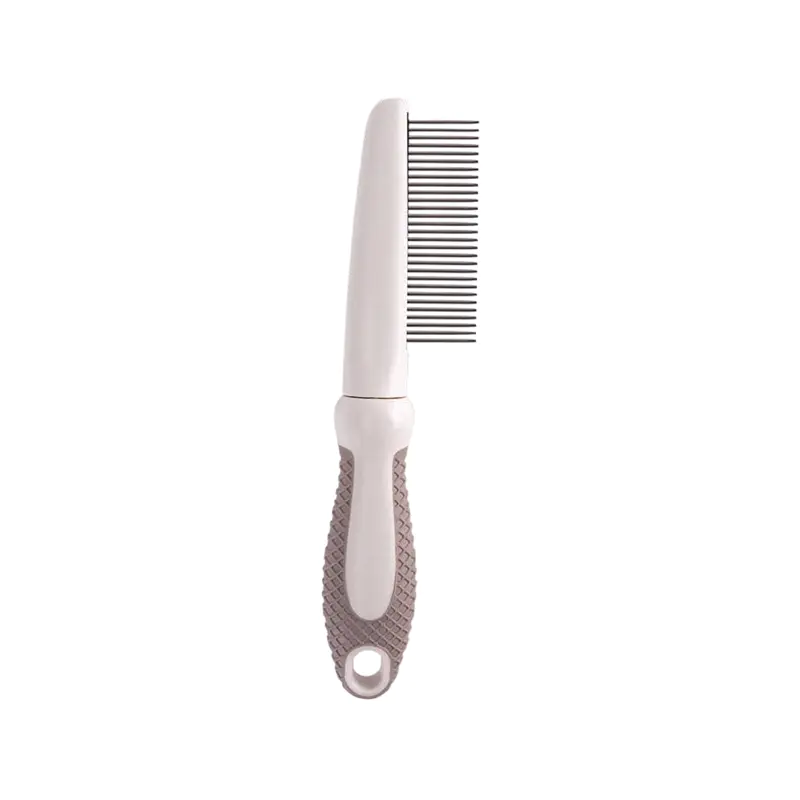
Every pet owner knows the struggle of watching loose fur drift across floors, cling to furniture, and somehow appear in places pets never visit. The solution lies not just in grooming itself but in understanding when grooming delivers maximum impact. Strategic timing transforms a basic maintenance task into an effective shield against household hair accumulation. Whether dealing with seasonal coat changes or year-round shedding, knowing the right moments to intervene makes all the difference. The Opey Pet Grooming Comb represents one tool in a broader timing strategy that reduces fur dispersal before it begins, helping maintain cleaner living
Why Pets Shed and How Timing Changes Everything
Shedding is a normal process in which pets naturally let go of old or worn-out hairs to allow new ones to grow in. Different breeds shed at different rates depending on their coat type, how they are adapted to the local climate, and their own individual traits. Knowing how this cycle works lets owners step in at points when loose hair is still mostly on the pet instead of spreading around the house.
Hair grows in stages: an active growing phase, a resting transition period, and then the release phase. In the release stage, follicles relax their hold on the strands, making it much easier to remove loose hairs mechanically. Grooming during these times collects the material before everyday movement, scratching, or contact with furniture sends it into the air, onto floors, or onto fabrics.
Loose hair starts in the undercoat or deeper layers, separates from the follicle, but stays caught among surrounding hairs for a while. Normal activity gradually works these strands free, letting them drift off onto carpets, couches, clothes, and other surfaces. Regular grooming interrupts that path by pulling the loose hairs out while they are still concentrated close to the pet.
Timing makes a practical difference because early removal adds up. Taking out a handful of loose hairs during a session keeps them from spreading, breaking apart, and seeming to multiply as they settle everywhere. Addressing it promptly usually takes less overall time than dealing with constant cleanup later.
The everyday changes people notice most often include vacuuming less frequently, using lint rollers less, seeing fewer allergens floating around, and going longer between deep cleaning services. These improvements come mainly from choosing the right moments for grooming rather than from making each session longer or more intense.
Finding Your Daily and Weekly Grooming Windows
Effective timing starts by noticing natural breaks in your household schedule where short grooming fits without much adjustment. These openings are already part of the day and only need a small shift to include pet care.
Daily micro-grooming opportunities include:
- Right after outdoor walks or play when the pet is settled and any debris shows clearly
- Before visitors come over to catch loose hair ahead of time
- In the evening before bed to keep shedding off bedding and sleeping areas
- After active play when the pet is calm and more open to handling
These brief sessions, lasting five to ten minutes, produce noticeable results when done regularly. The advantage comes from working with times when activity or temperature shifts loosen more hair naturally.
Weekly sessions allow for more complete care that goes beyond daily touch-ups. A full weekly grooming checks deeper coat layers, looks at skin health, and clears buildup that quick daily passes might overlook.
A typical weekly session includes an initial look over the coat, steady brushing from head to tail, extra focus on areas like the hind end and belly, and finishing strokes to gather any remaining loose hairs. Setting aside twenty to thirty minutes once a week creates a solid foundation that makes shorter daily sessions work better.
Linking grooming to habits you already follow helps it stick. A morning walk might lead straight into a quick brush. An evening wind-down could include a short coat check before lights out. These connections turn grooming into part of the regular flow instead of a separate task.
Pay attention to cues that mean more frequent grooming would help. If clouds of hair appear when you pet the animal, if clothes pick up more fur after contact, or if the coat starts feeling rougher or uneven, it usually means the current routine needs adjustment. Acting on those signs early keeps loose hair from building up to harder-to-manage levels.
How Seasons Influence Your Grooming Schedule
Pets with coats adapted to changing temperatures often experience noticeable shifts during seasonal transitions. These periods usually bring heavier shedding, so grooming needs to adjust in order to handle the increased loose hair effectively.
Recognizing early signs allows you to prepare ahead of time instead of dealing with sudden buildup. Watch for gradual changes like a slightly different coat feel, more frequent scratching, or a steady increase in loose hairs during petting—these often signal that a heavier shedding phase is starting. Beginning more regular grooming one to two weeks before the peak helps keep things manageable.
During transition periods, adjust your routine by increasing sessions to every other day, adding ten to fifteen minutes to each one, and bringing in tools designed for deshedding. The aim is to stay ahead of the natural hair release rather than trying to catch up after large amounts have already come out.
Knowing when to ease off is just as useful. Grooming too often or too intensely during quieter shedding periods can irritate the skin or affect healthy coat layers. Once visible shedding drops off, scale back to a maintenance level to protect the coat while still keeping it clean.
Indoor conditions play a role too. Winter heating and summer air conditioning create steady artificial climates that can start shedding earlier, delay it, or make it lighter than expected outdoors. Paying attention to what the coat is actually doing tends to guide scheduling better than relying only on the calendar.
Tailoring Your Approach to Different Coat Types
| Coat Type | Daily Frequency | Weekly Deep Session | Seasonal Adjustment | Primary Focus |
|---|---|---|---|---|
| Short-haired | 3–4 times weekly | 15 minutes | Minimal change | Surface loose hair |
| Long-haired | Daily | 30 minutes | Increased to twice daily | Mat prevention, undercoat |
| Double-coated | Daily during peaks | 45 minutes | Significant increase | Undercoat removal |
| Curly / Non-shedding | 2–3 times weekly | 25 minutes | Moderate adjustment | Mat prevention |
Coat type strongly influences both when and how you groom. Techniques that suit short-haired pets may not work well—or could be too much—for long-haired ones.
Short-haired pets usually do best with short, frequent sessions aimed at collecting surface loose hair. A quick routine covers the body with the right tool, gives extra time to shedding-prone areas like the back and sides, and includes a brief skin check. These sessions often stay under ten minutes and can happen several times a week.
Long-haired breeds need daily attention to stop mats from forming while also managing shedding. Slightly longer sessions go through the coat in layers, clearing small tangles early before they tighten. Morning sessions work well when pets are rested, and evening checks help before they settle for the night.
Double-coated pets face distinct seasonal demands. Their thick undercoats shed heavily during coat blows, so grooming needs to increase significantly in those windows. Between peaks, focus stays on surface coat condition and light undercoat monitoring rather than deep deshedding.
Curly or low-shedding breeds place emphasis on coat health instead of heavy hair removal. Regular grooming keeps mats from starting and spreads natural oils evenly, with timing geared toward prevention rather than reacting to constant shedding. These coats often respond well to steady, moderate schedules year-round instead of big seasonal swings.
Sample session templates bring structure to grooming time. A thirty-minute session could start with five minutes of looking over the coat and gentle touch to warm up, followed by fifteen minutes of systematic brushing or deshedding, five minutes checking ears and paws, and five minutes ending with treats or calm praise. Longer sessions build on the middle phase while keeping the inspection and positive close.
Tools and Techniques That Match Your Schedule
Choosing the right tools affects how smoothly and quickly grooming goes. The best setup depends on coat type, how much time you have, and what you need to accomplish.
Key tools for seasonal grooming include slicker brushes for surface smoothing and tangle control, undercoat rakes for double coats during heavy shedding, rubber curry brushes for short coats and gentle massage, and a Pet Grooming Comb for careful work in detailed or sensitive spots. Each has a clear role in well-timed sessions.
Good sessions follow a clear order. Start with a visual check for tangles, debris, or skin issues. Move to dry brushing, covering the body section by section from head to tail. Handle any mats or knots found along the way. Then use targeted deshedding tools where needed. Finish with smoothing strokes to gather leftover loose hair and a final once-over.
Time-saving techniques help make short sessions more effective:
- Follow the same pattern each time for even coverage
- Stick to shorter, controlled strokes instead of long ones
- Start with high-shedding areas when time runs short
- Keep tools clean so they work consistently
- End the session before the pet gets restless to keep it positive
Safety considerations help avoid issues. Use light to moderate pressure to prevent skin irritation or coat damage. Notice signs of discomfort such as tensing, moving away, or vocal sounds. Handle sensitive spots around the face, paws, and tail base with extra care. If a pet resists strongly, pause rather than push forward—negative experiences make future sessions harder.
Bathing Considerations and Post-Grooming Steps
Bathing fits alongside brushing but serves its own purpose, so aligning the two avoids extra work and makes each step more useful.
Brush the coat well before bathing to take out loose hair that would otherwise get wet, press against the skin, or go down the drain. This matters more for long-haired and double-coated pets, since wet fur that hasn't been brushed first tends to knot tightly and stay that way. Make the pre-bath brushing detailed enough to cover all coat layers you can reach while the fur is dry.
After the bath, wait until the coat dries completely before brushing again. This second pass picks up any loose hairs the water loosened and smooths out small tangles from drying. Clean fur usually moves more freely at this stage, so the brushing often goes more smoothly than the one done before the bath.
Light leave-in conditioners or finishing sprays can help keep loose hairs from flying off by adding a bit of grip between strands. Put them on after the initial drying and before the final brush—they improve how the tool works and cut static that scatters hair. Apply only a small amount to keep the coat from feeling oily or attracting more dirt.
Cleanup right after grooming extends what you've accomplished. Cover furniture with microfiber blankets immediately to catch stray hairs instead of letting them resettle. Run pet bedding through the dryer with lint traps to pull out trapped fur. Vacuum the area where you groomed so loose hairs don't get carried around the house later.
Take care of grooming tools to keep them working well. Clear hair from them after every use so the teeth or bristles stay in good contact with the coat. Wash them now and then and disinfect when appropriate to lower the risk of skin problems. Replace tools that show obvious wear instead of trying to manage with ones that no longer perform properly.
Recognizing When Your Schedule Needs Adjustment
General timing suggestions give a good place to start, but each pet's situation may call for changes. Noticing these early helps handle things before they become bigger concerns.
Signs that shedding might be outside the usual pattern include sudden increases not linked to seasons, patchy thinning that leaves clear bare areas, skin showing redness or flaking underneath, more frequent scratching or licking, and coat texture that feels different than normal. These usually need a veterinarian to check rather than just changing the grooming schedule.
Life stages bring their own coat patterns. Young pets growing into their adult coat can shed more during that shift. Older pets may have coat changes tied to general health. Pregnant or nursing animals often see temporary shifts from hormones. In each case, adjust grooming frequency gently to fit what's happening now.
Health conditions like allergies, hormone issues, or skin infections can change shedding noticeably. When a diagnosis comes, match grooming timing to the treatment plan. Some conditions do better with more frequent light grooming to help circulation and clear irritants, while others need less handling while healing.
Stressors in the environment can affect shedding too. Big household changes, new food, or ongoing anxiety may cause short-term increases in hair loss. Keeping grooming calm and steady during these times offers both hair control and a sense of normalcy for the pet.
Building Your Personalized Maintenance Plan
Lasting routines build best through small, steady steps rather than big sudden shifts. A phased start helps both pet and owner settle into it comfortably.
Begin by looking at the current setup. Track how much shedding happens now, how often grooming occurs, and where hair tends to show up around the home. This gives a clear starting point to measure against later.
Week one centers on short daily sessions at the same time each day. Five minutes done regularly builds the habit. Pick times that already fit your day to make it easier to keep up.
Week two continues the daily sessions while trying out different tools. Experiment to see which ones the pet accepts and which remove hair most effectively with the least resistance. Note what seems to work best.
Week three adds a longer weekly session to go with the daily ones. Plan these for quieter times when interruptions are less likely. Use them to check the full coat and make small adjustments to technique.
Week four looks back and refines. Compare current hair levels in the home to your first notes. See which timing and frequency feel easiest to maintain. Tweak based on what you've actually observed rather than sticking strictly to general advice.
Connect grooming to habits you already follow to help it become automatic. Link it to morning coffee, evening downtime, or weekend routines so it happens without much extra thought. The aim is for grooming to feel as natural as other daily care tasks.
Short daily reminders keep things on track. Simple notes like "brush after walk" or "groom before visitors" give clear next steps. Put them where you'll see them during the first few weeks to reinforce the pattern.
Moving Forward With Confidence
Cutting down on household shedding through careful timing often proves more doable than many owners first think. The real difference comes from spreading the effort across natural moments in the day rather than trying to do it all at once. Short daily sessions stop buildup early, while weekly deeper ones cover what quick passes miss. Being aware of seasonal changes lets you prepare ahead instead of reacting when shedding picks up. Tools like the Pet Grooming Comb work best when used with good timing—they support a system rather than replace it. Small, regular actions build into real improvement, shifting from ongoing fur cleanup to a more controlled routine. Starting with short, well-placed sessions today moves things toward easier, proactive maintenance.