
 English
 中文简体
中文简体 русский
Not every pet eats well from a bowl. Some gulp food too fast, some lose interest quickly, and others need something to keep them occupied during stressful moments — a bath, a vet visit, a thunderstorm. That's where the lick mat comes in. For pet product buyers and distributors, understanding how lick mats function as an alternative to the Pet Food Drinking Bowl is useful both for product ranging decisions and for supporting the retailers you supply.
What Is a Lick Mat, Exactly?
A lick mat is a flat or textured surface — typically made from silicone or rubber — designed to hold spreadable food. The animal licks rather than bites or swallows in large mouthfuls. The texture creates small pockets and ridges that hold food in place, extending the time it takes to finish a meal or treat.
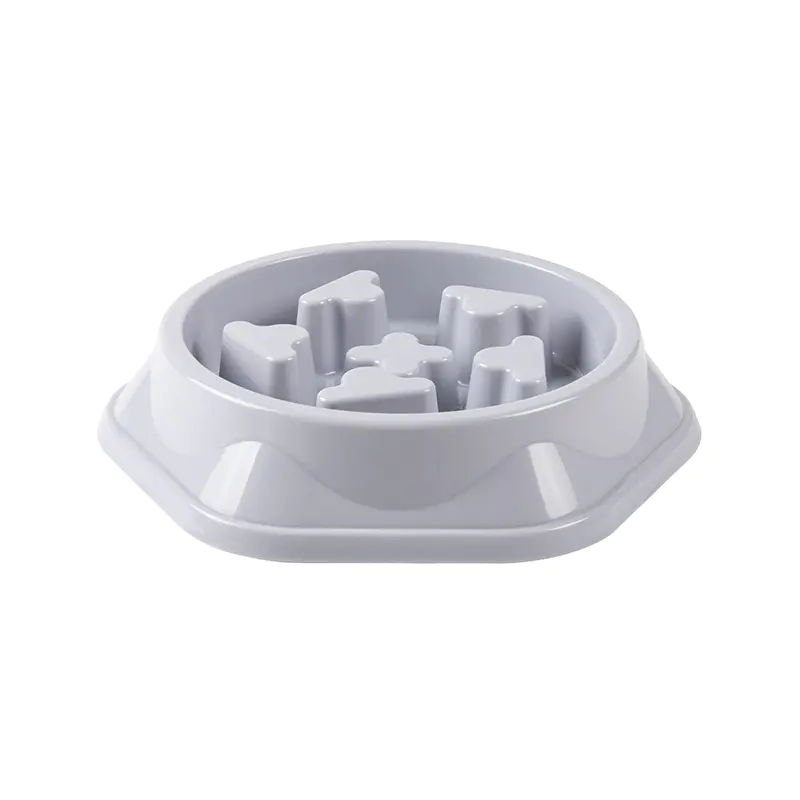
It functions differently from a Pet Food Drinking Bowl in one important way: it slows the entire feeding process down by design. There's no scooping, no gulping — just repetitive licking that stretches a small amount of food into several minutes of engagement.
Why Pet Owners Are Reaching for Lick Mats
Slowing Down Fast Eaters
Dogs and cats that eat too quickly can experience digestive discomfort, including bloating and regurgitation. A lick mat spreads food thin across a textured surface, making rapid consumption physically difficult. For pet owners managing a fast eater, this is a practical tool — not a luxury.
Reducing Anxiety and Boredom
Repetitive licking has a documented calming effect on animals. The physical act releases calming compounds in the brain, making lick mats useful during high-stress situations: fireworks, travel, separation, grooming. A mat loaded with a small amount of food gives the animal a focused task that redirects nervous energy.
Supporting Training and Handling
Veterinary and grooming environments use lick mats regularly to keep animals calm and still during procedures. For pet owners at home, the same logic applies — a mat on the wall of a shower or stuck to the side of a tub keeps a dog occupied during a bath. This practical use case drives a specific kind of repeat purchase behavior worth noting when stocking the product.
What Foods Work on a Lick Mat
The mat itself is only part of the equation. What goes on it matters for both safety and effectiveness. Common options include:
- Wet pet food — a natural fit, easy to spread thin across the texture
- Plain yogurt (unsweetened, pet-safe) — popular for dogs, spreads easily
- Pureed pumpkin or sweet potato — fiber-rich, digestively gentle
- Soft meat-based pastes — suitable for both dogs and cats
- Pet-safe peanut butter — works well but should be used in moderation
For B2B buyers, this food pairing behavior is worth understanding. Lick mats drive accessory purchasing — pet owners who use them regularly also buy complementary spreadable food products. Ranging lick mats alongside wet food formats or treat pastes makes commercial sense.
What to avoid: any food containing xylitol, onion, garlic, or excessive salt. Most responsible lick mat packaging includes guidance on safe food choices, which reduces after-sale complaints.
How to Introduce a Lick Mat to a Pet
Not all animals take to a new feeding format immediately. A gradual introduction tends to work better than expecting instant adoption. Here's a practical sequence:
- Start with a familiar food the animal already enjoys — novelty in the format is enough for one session
- Spread it thin across the mat surface so the animal can smell and access it easily
- Let the animal explore at its own pace — don't force engagement
- Increase complexity gradually by using denser textures or freezing the mat to extend licking time
- Keep sessions short at first — five to ten minutes is enough to assess interest without overwhelming
Frozen lick mats extend the activity duration significantly. A mat prepared and frozen ahead of time can keep a dog occupied far longer than a fresh one — useful for situations where the owner needs extended calm.
Lick Mat vs. Traditional Pet Food Drinking Bowl: Key Differences
A lick mat is not a replacement for a Pet Food Drinking Bowl in all scenarios. It serves a different function and complements rather than competes with conventional feeding. Understanding the distinction helps when advising retail buyers on how to position both products.
| Factor | Lick Mat | Traditional Bowl |
|---|---|---|
| Food type | Spreadable, wet, soft | Dry kibble, wet food, water |
| Eating speed | Slow by design | Varies by animal |
| Cleaning | Dishwasher-safe (most silicone mats) | Dishwasher-safe depending on material |
| Primary use | Enrichment, calm, slow feeding | Everyday meals and hydration |
| Water delivery | Not applicable | Core function for drinking bowls |
| Portability | High — flat, lightweight | Moderate — depends on design |
The practical takeaway: lick mats work alongside a Pet Food Drinking Bowl, not instead of one. Water access remains a separate, non-negotiable need. A pet using a lick mat for enrichment still requires a clean drinking bowl available at all times.
Cleaning and Maintenance
One of the more common concerns from pet owners is whether lick mats are easy to clean. The textured surface that makes them effective also creates more surface area for food residue to collect.
Practical guidance for retailers and their customers:
- Rinse immediately after use — wet food dries quickly and becomes harder to remove
- Dishwasher-safe silicone mats can go on the top rack; confirm this per product spec
- Soaking in warm soapy water loosens residue in texture grooves before scrubbing
- Inspect regularly for bite damage — a mat with torn silicone should be replaced
From a product durability standpoint, thicker silicone construction and tighter texture patterns tend to last longer under regular use. This is a useful specification point when evaluating manufacturer samples.
Safety Considerations for Buyers to Communicate
Is the Material Food-Safe?
Silicone lick mats should meet food-grade standards. Buyers sourcing these products should request relevant certifications — LFGB, FDA, or equivalent — before placing orders. This protects retailers from complaints and supports responsible product labeling.
Will the Pet Chew the Mat?
Some dogs, particularly strong chewers, will attempt to bite the mat rather than lick it. A lick mat is not designed to withstand chewing. Product descriptions should clearly distinguish lick mats from chew toys, and packaging should include a supervision recommendation for pets with destructive chewing habits.
Is It Suitable for All Pets?
Lick mats work well for dogs and cats across a wide age range. Senior pets with dental sensitivity often take to them readily. Very young puppies or kittens may need gentler textures. Animals with certain health conditions — including specific digestive issues — should be assessed by a vet before changing feeding formats.
Building a Range Around Lick Mats
For wholesale buyers, lick mats open a product category adjacent to the standard Pet Food Drinking Bowl — one that addresses enrichment, behavior, and slow feeding. A practical range might include:
- Entry-level flat silicone mat — single texture, easy to clean, broad appeal
- Multi-texture designs — different zones for varied food types
- Suction-cup base mats — for wall or floor mounting during grooming
- Freezer-compatible mats — thicker construction for frozen food use
- Combination sets — lick mat paired with a portable bowl for travel
Retailers stocking this category alongside conventional bowls give consumers a more complete feeding solution, which tends to support higher basket values.
Work with a Manufacturer Who Covers Both Categories
Stocking lick mats and Pet Food Drinking Bowls from a single reliable source simplifies procurement, reduces supplier management complexity, and keeps quality consistent across your range. Opey designs and manufactures a broad portfolio of pet feeding and enrichment products — including silicone lick mats and bowl formats across stainless steel, ceramic, and plastic — with OEM and ODM capabilities for custom branding and packaging. Reach out to Taizhou Opey Pet Products Co., Ltd. for product catalogs, sample requests, or pricing inquiries — and build a pet feeding range that covers every stage o