
 English
 中文简体
中文简体 русский
If you're building a pet supplies catalog from scratch — or trying to fill gaps in an existing range — the Pet Food Drinking Bowl category is one of those deceptively simple product areas that opens up fast once you start digging. What looks like a basic container turns into a sprawling matrix of materials, formats, consumer segments, and price points. Here's what actually matters when you're making sourcing decisions.
What the Category Actually Covers
At its most basic, a Pet Food Drinking Bowl does one of two things: holds food or holds water. But that two-line definition doesn't capture what the market looks like right now.
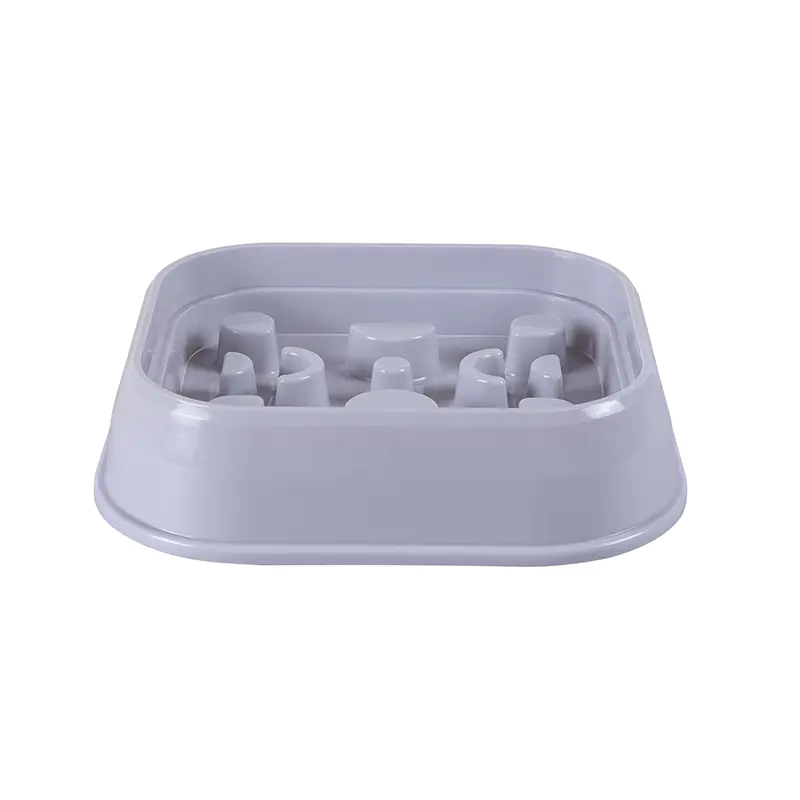
The modern category spans standard flat bowls, elevated feeding stations, slow-feed designs with internal mazes, collapsible travel options, and motorized water fountains with filtration systems. These aren't niche products anymore. Each format addresses a distinct consumer need — and for B2B buyers, each one represents a different entry point into a different segment of the market. A retailer stocking only flat bowls in 2025 is leaving real money on the table.
Breaking Down the Main Product Types
Standard flat bowls remain the backbone of most catalogs. Round or oval, single-function, easy to produce and price competitively. You need these. They're not exciting, but they move volume.
Elevated feeders are a different story. Raised off the ground on a frame or stand, they're typically sold as matched pairs — one food, one water — and they're the go-to purchase for large breed owners and anyone with a senior dog showing signs of joint stiffness. Strong upsell potential, especially when merchandised alongside orthopedic pet beds.
Slow-feed bowls deserve more attention than they often get. The ridges and internal obstacles are purpose-built to extend mealtime for fast eaters — a real concern for dogs prone to bloating. Because they sit adjacent to vet-recommended product territory, margins tend to be higher than comparably sized standard bowls. Worth carving out space in a mid-to-premium range.
Then there's the travel segment. Collapsible silicone and fabric bowls pack flat, weigh almost nothing, and appeal to a growing base of pet owners who take their animals everywhere. These perform particularly well in e-commerce bundles and outdoor retail environments — less so on traditional pet store shelves where they can get lost.
Water fountains are the premium play. Gravity-fed or motorized, with filtration — these products command significantly higher price points and tap into the health-conscious pet owner demographic that's been expanding steadily. Lead times and MOQs tend to be higher, but so are margins.
Material Choices: The Real Trade-offs
Material selection shapes everything downstream — consumer perception, return rates, margin potential, and where the product fits in a retail display.
| Material | Meaning for Buyers |
|---|---|
| Stainless Steel | Durable, hygienic, dishwasher-safe. Best mid-range+ option. |
| Ceramic | Stable, decorative, easy to clean. |
| Plastic | Cheap, colorful, but less hygienic over time due to scratches. |
| Silicone | Flexible, heat-resistant, portable; not for heavy daily use. |
| Melamine | Attractive finish, not microwave-safe. |
Stainless steel and glazed ceramic consistently outperform plastic in post-sale satisfaction metrics. That's not a knock on plastic across the board — it serves a function at lower price points — but buyers positioning a health or premium narrative should lean toward non-porous materials from the start.
What Buyers Actually Need to Nail Down
Sizing is more consequential than it sounds. The industry generally segments into small (cats, toy breeds), medium, and large (25kg+). A complete range needs representation across all three. Gaps in sizing create gaps in conversion — a customer who can't find the right fit for their Great Dane just walks away.
Non-slip bases matter more than they probably should, but here we are. Rubber rings, silicone pads, weighted bottoms — whatever the mechanism, this feature drives positive reviews and reduces the kind of minor frustration that leads to returns. Confirm whether it's integrated into the bowl or a separate component, because that distinction affects both durability and sourcing complexity.
Dishwasher compatibility is a purchase driver for a surprisingly large portion of buyers. It's worth having the actual temperature rating documented, not just "dishwasher safe" as a vague claim.
For physical retail buyers, stackability matters. Bowls that nest efficiently reduce storage footprint and make replenishment faster. It sounds like a logistics detail — and it is — but it's also a real consideration for buyers managing tight shelf space.
The Hygiene Angle (Without Overdoing It)
Food safety researchers have flagged pet bowls as consistently high on household bacteria counts — not a reason to panic, but useful context for anyone building a premium or health-oriented range.
Non-porous surfaces are genuinely easier to sanitize. A cracked plastic bowl or a heavily scratched stainless bowl becomes harder to clean effectively regardless of material. Including cleaning guidance on packaging — simple, practical, not alarming — reduces returns and builds brand trust over time. This is a low-effort addition that pays off.
Before You Place an Order
The sourcing checklist that actually matters:
- Material certifications — LFGB, FDA, REACH documentation, not just a verbal assurance
- Physical samples — check finish quality, verify actual capacity against stated specs, test the non-slip performance yourself
- MOQ and lead times — especially critical if you're planning seasonal replenishment
- Packaging format — retail-ready versus bulk/export; confirm early because changing this late is painful
- Private label capability — if you're building a house brand, confirm the supplier supports custom branding before getting attached to their products
- QC process — ask specifically about defect rate benchmarks and inspection standards
Building a Range That Actually Covers the Market
A sensible Pet Food Drinking Bowl range for wholesale or multi-channel distribution roughly follows this structure:
Entry tier — standard stainless steel or plastic, single function, competitive pricing. The volume driver.
Mid tier — ceramic or premium stainless, non-slip base, available in multiple sizes. The margin builder.
Premium tier — elevated feeder sets, slow-feed designs, filtered water fountains. The upsell layer.
Specialty — travel/collapsible bowls, breed-specific sizing. Smaller volumes, but meaningful for e-commerce and outdoor retail segments.
This isn't a rigid formula. But without some version of this structure, most retailers either over-index on basics and leave premium revenue uncaptured, or they go too niche and end up with slow-moving inventory.
Finding the Right Manufacturing Partner
Consistent supply, reliable quality, and the flexibility to support OEM or ODM projects — these are the foundations of a workable wholesale relationship in this category. Taizhou Opey Pet Products Co., Ltd. manufactures across stainless steel, ceramic, plastic, and silicone, supports custom packaging, and supplies clients across wholesale, e-commerce, and retail distribution channels globally. Consistent supply, reliable quality, and the flexibility to support OEM or ODM projects — these are the foundations of a workable wholesale relationship in this category. Taizhou Opey Pet Products Co., Ltd. manufactures across stainless steel, ceramic, plastic, and silicone, supports custom packaging, and supplies clients across wholesale, e-commerce, and retail distribution channels globally. To request a catalog or sample set, or to discuss specifications and pricing for pet food and water bowls, please contact us.