
 English
 中文简体
中文简体 русский
You bring home a shiny new device, set it up in the corner of the kitchen, and watch your cat sniff it once before walking away to drink from the bathroom tap instead. Sound familiar? Plenty of pet owners land in exactly this spot after investing in a Pet Water Fountain — something designed to keep animals healthier and better hydrated, only to have it ignored, batted at suspiciously, or avoided entirely. Here is the thing, though: that reaction is completely normal. Cats are creatures of habit. Dogs follow routines too. A sudden switch from a familiar bowl to a circulating, humming contraption? That is a big ask. The good news is that patience and a well-paced introduction plan resolve the standoff in most cases, often within days. Understanding why pets hesitate is half the battle — and knowing exactly what to do next is the other half.
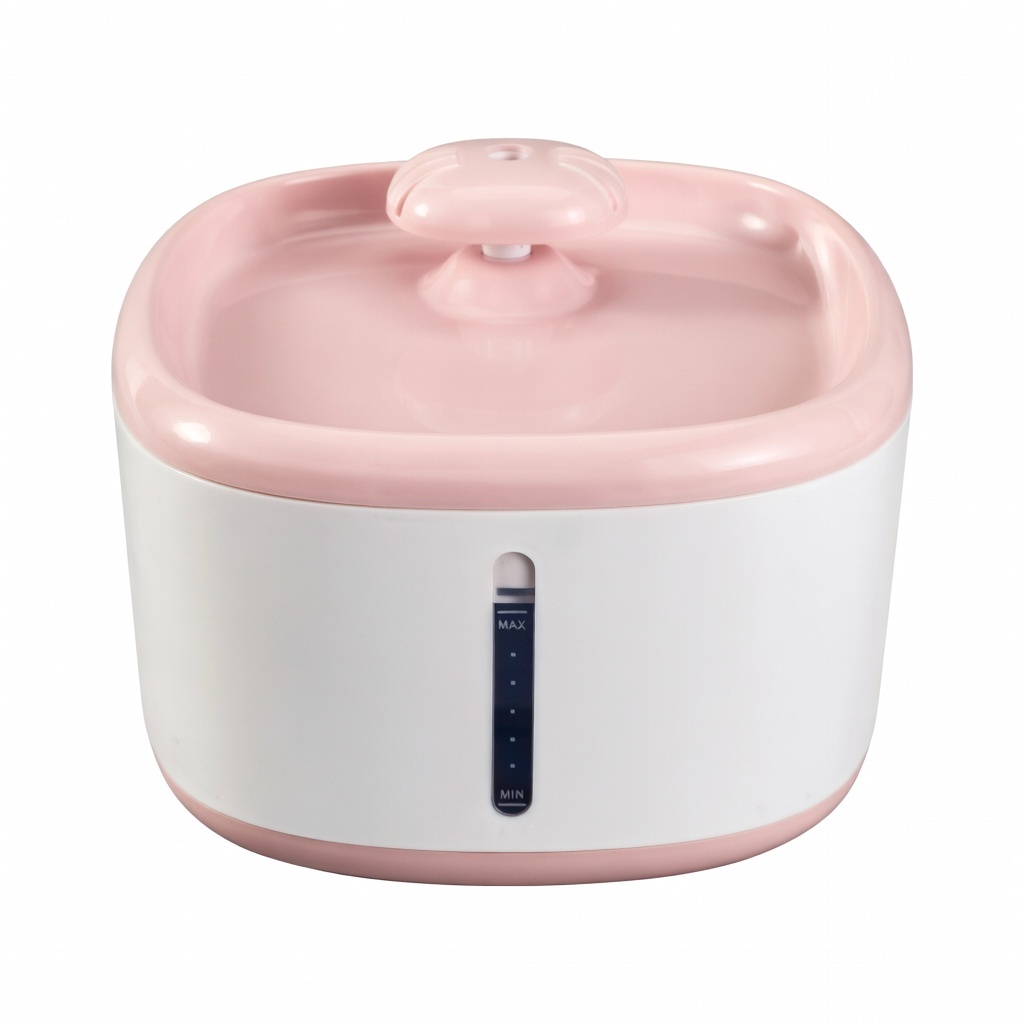
What Exactly Is a Pet Water Fountain, and How Does It Differ from a Bowl?
At its core, a pet water fountain is an electrical device that continuously circulates and filters water through a pump system, keeping it moving, oxygenated, and fresher than what sits in a standard bowl for hours on end. The mechanics are straightforward, but the effect on pet behavior can be significant.
Core components:
- Pump: A small motor — usually submerged — that keeps water moving through the system.
- Filter: Typically activated carbon combined with a foam layer, removing debris, pet hair, and impurities that would otherwise accumulate.
- Reservoir: The water storage chamber. Capacity varies widely, from compact one-liter units to multi-liter stations designed for larger households.
- Spout or stream: Where water exits. Designs range from a gentle surface bubble to a free-falling arc, and this detail matters more than most buyers expect when it comes to shy pets.
A regular bowl just holds still water. That is it. Oxygen depletes within hours, bacteria start multiplying, and whatever floats to the surface stays there. By contrast, a circulating device keeps water aerated and moving — mimicking the running streams that cats and dogs are instinctively drawn to. It is not a coincidence that so many cats ignore a perfectly clean bowl but happily drink from a dripping tap. The moving-water preference is hardwired. This tool works with that instinct rather than against it.
Who tends to benefit the most:
- Cats with a history of urinary tract problems or kidney sensitivity, who need higher daily fluid intake
- Small dogs who are fussy about water freshness and will skip drinking rather than tolerate a stale bowl
- Senior pets, whose thirst response sometimes weakens with age and who benefit from the visual and auditory cue of moving water
- Multi-pet households where a shared bowl becomes contaminated quickly and frequent refills are not always practical
Key Vocabulary Worth Knowing
| Label | Plain-Language Meaning |
|---|---|
| BPA-free | Made without bisphenol A, a chemical in some plastics linked to health concerns over time |
| Flow rate | How fast water circulates; many models allow the speed to be adjusted |
| Splash guard | A barrier that helps reduce water spray around the base of the device |
| Activated carbon filter | Absorbs odors and off-flavors, helping keep water tasting clean |
| Reservoir | The storage tank that holds water between refills |
| Pump | The motor that moves water through the fountain; noise level can vary by model |
Why Cats Hesitate — and Why That Is Not a Bad Sign
Cats are not being dramatic. They are being cats. Feline hesitation around new objects is rooted in genuine instinct: unfamiliar sounds, unfamiliar smells, unfamiliar presence in their territory. All three come packaged with a new device. Sensitivity to motor hum, wariness about an object that moves on its own, preference for the predictable routine of the old bowl — these are all normal responses, not signs of a stubborn or difficult animal.
Dogs can be skeptical too, though for slightly different reasons. Anxious dogs may startle at the pump sound. Timid small breeds sometimes refuse to approach anything that feels unpredictable. Either way, the underlying message from your pet is the same: I need more time with this before I trust it.
That is worth taking seriously. Rushing the process — placing food near the device, moving the old bowl away too fast, or turning the pump on full blast before the animal is comfortable — tends to make the avoidance worse, not better. Slow down. The fountain is not going anywhere.
Types and Features: Which Design Works for a Wary Pet?
Not every model suits every animal, and choosing thoughtfully before you buy can make the introduction considerably smoother. A fountain that is too loud, too flashy, or too difficult to clean will work against you at every stage of the process.
What Should You Look for When Shopping for a Nervous Pet?
| Feature | Why It Matters for Skeptical Animals | What to Look For |
|---|---|---|
| Noise level | A loud motor can trigger fear and avoidance during early exposure | Submerged pump design, low-noise motor specification |
| Flow control | Some pets accept a slow trickle before adjusting to a stronger stream | Adjustable dial or multiple spout modes |
| Material | Plastic may retain odors, while other materials stay more neutral | Food-grade ceramic, stainless steel, or BPA-free plastic |
| Capacity | Larger reservoirs help prevent the pump from running dry and making sudden sounds | Around two liters for a single cat; more for dogs or multiple pets |
| Cleaning ease | A difficult device may be cleaned less often, and residue can discourage drinking | Wide openings, dishwasher-safe parts, minimal internal crevices |
| Profile height | Lower and wider bowls feel less intimidating for small or older animals | Flat, wide designs suited to shy or elderly cats |
| Filter setup | Ongoing replacement parts add cost over time | Carbon and foam combination with accessible filter housing |
Some signals to steer away from: narrow internal channels that are nearly impossible to scrub properly, strong LED lighting around the drinking surface (especially unsettling for cats in a dark house at night), and reservoirs so small they expose the pump within hours of normal use. A grinding, dry-running pump is one of the fastest ways to permanently scare a hesitant pet away from the device.
A rough pairing guide based on pet personality:
- Easily startled cat → low-profile ceramic, single quiet stream, no visible mechanical parts
- Anxious small dog → wide bowl-style with a gentle bubble flow, minimal visual complexity
- Multi-pet household → large capacity with two or more access points, or plan to run two separate stations in different rooms
A Six-Stage Introduction Plan for a Skeptical Pet
Moving too fast is, by far, the most common reason a fountain fails. The animal is not the problem. The timeline is. The plan below takes only a few minutes per day to follow — the investment is in patience, not effort.
Stage 1: Before the Device Is Ever Switched On
Start with nothing but placement and time. Unbox the device and leave it in the room, unfilled and unplugged, for at least twenty-four hours. Let your pet investigate it on their own terms — sniff the base, circle it, walk away and come back. Do not guide them toward it. Do not make it a moment of excitement. The goal here is neutral familiarity, not enthusiasm.
Placement matters more than most people realize. Avoid tucking it into a corner where the animal feels cornered when approaching. Keep it away from the litter box — most pets instinctively dislike eating or drinking near elimination areas — and away from high-traffic zones where the household commotion would add to the novelty stress. A quiet, accessible wall is often ideal.
One more thing worth doing at this stage: rinse the device thoroughly with plain water before first use to remove any manufacturing residue or plastic smell. Some owners also rub a soft cloth that carries their pet's familiar scent along the base. It sounds small, but familiar scent signals safety to an animal assessing whether an unfamiliar object belongs in their space.
Stage 2: Filled but Silent — the Old Bowl Still Nearby
Fill the device with fresh water, but leave the pump off. Place your pet's usual water bowl directly beside it. Scatter a few treats near the base — not on top of the device, just near it — and refresh them each time you walk past. Do this for two to three days without making a fuss about it.
Expect sniffing, circling, possibly a paw swipe. That is curiosity, not fear or aggression — let it play out without interference. When your pet approaches, offer quiet praise in a low, calm tone. A simple "good girl" or "that's it" is enough. You are marking the approach itself as a rewarding behavior, before any drinking happens at all.
What not to do: pick up your pet and physically place them in front of the device. Forced proximity almost always backfires, creating a negative association that can take longer to undo than the original hesitation would have taken to resolve naturally.
Stage 3: Brief, Low-Flow Activation at a Calm Moment
When your pet seems relaxed and comfortable around the silent device, it is time to introduce sound. Turn the pump on — at the lowest flow setting available — while your pet is already engaged in something nearby. Playing, eating, or resting calmly in the same room all work well. The point is that the sound enters a relaxed scene, not a quiet one.
Run it for ten to fifteen minutes, then turn it off. Stay in the room, go about your business, and avoid drawing attention to the device. Your calm body language communicates that the new noise is unremarkable. Treats near the base continue to help here, connecting the sound of running water with something pleasant.
Dogs may wag and investigate immediately. Cats will more likely sit a few feet away, ears forward, watching. Both responses are fine. The goal of this stage is simply: my pet has heard it running and nothing bad happened.
Stage 4: Gradual Substitution Begins
Now things shift slightly. Move the familiar water bowl a few inches farther from the device. Do not remove it — just create a gentle preference gradient. You can also reduce the water level in the old bowl modestly, making it slightly less satisfying without eliminating access entirely.
A useful trick at this stage: dip a clean finger in the circulating water and offer it to your pet to lick. This directly connects the taste and feel of the moving water to something they already associate with trust — your hand. Some pets make the leap from licking a finger to drinking from the device within a session or two of this.
Give this stage three to four days before moving on. Some pets start drinking from the device here; others do not yet. Either is fine.
Stage 5: The Real Transition
Increase the flow to its normal operating level. Move the backup bowl into a different room — still accessible if your pet seeks it out, but no longer the default choice within easy reach. When your pet drinks from the device, offer immediate calm praise. At this point, treats near the base can be phased out; the drinking behavior itself is the reward you are reinforcing.
Most pets make their commitment to the device at this stage. A few still drift back to the backup bowl regularly, and that is acceptable — water access always comes before training goals. Do not remove the backup bowl entirely if your pet has not yet started drinking from the device consistently.
Stage 6: Normalization and the Routine That Keeps It Working
After three to five days of consistent drinking from the device, the backup bowl can come down entirely. The focus now shifts to maintenance: setting a weekly cleaning reminder, staying on top of filter changes, and continuing occasional gentle praise for the first few weeks. A clean device smells neutral and tastes fresh. Pets notice a stale or poorly maintained device within hours, and backsliding is entirely preventable with a simple upkeep routine.
Why Is My Pet Still Not Drinking? Common Resistance Patterns and How to Respond
Even a careful introduction hits snags sometimes. Here are the patterns that show up repeatedly — and what actually helps.
The pet sniffs and immediately leaves. This is almost always about unfamiliarity rather than dislike. Return to Stage 1 for two more days and place a piece of worn clothing near the base. The familiar scent of the owner often changes the animal's read of the object entirely.
The motor sound triggers fear. A folded towel or a thin piece of foam placed under the device absorbs vibration and slightly muffles the hum. If the avoidance is severe, try covering the reservoir partially — leaving the drinking area fully open — to reduce the sound further. Persistent fear of the motor sometimes means the model is simply too loud for that particular animal, and a quieter alternative is worth considering.
The pet only drinks at night, from the old bowl. Turn the device off at night for the first week. Let your pet approach the static water in the quiet nighttime hours, building trust with the object in its silent form. Over time, the association shifts from "the thing that hums" to simply "where the water is."
The pet licks the edge but will not drink. A small amount of low-sodium, pet-safe broth added to the water — just enough to faintly scent it — often bridges this gap. Once the drinking habit is established over a day or two, transition back to plain water gradually. It is a temporary bridge, not a long-term fix.
One pet guards the device and others will not approach. Territory competition around water is surprisingly common in multi-cat households and is rarely solved through behavioral correction alone. Adding a second station in a completely different room almost always resolves it faster and with less stress for everyone involved.
When it is time to call the vet: If your pet has gone more than two days without drinking and is showing signs of lethargy, loss of appetite, or unusual behavior, dehydration may have developed. That is a medical concern, not a training concern, and no introduction timeline is worth putting your pet's health at risk.
Maintenance and Cleaning: How to Keep the Device Consistently Appealing
Here is a truth that owners sometimes underestimate: a dirty device will undo weeks of patient introduction work in a matter of hours. Pets, particularly cats, are acutely sensitive to taste and smell. Fountain water can develop an off-taste that makes even a previously converted drinker retreat to the bowl — which is exactly why it is wise to always keep a backup water source available, at least as a safety net. Staying on top of cleaning is not a separate concern from the introduction process; they are connected.
Daily habits:
- Top up water to the fill line. Evaporation and drinking lower the level faster than most owners expect, and a partially exposed pump can produce a grinding noise that frightens pets.
- A quick glance at the water surface for debris or hair takes thirty seconds and catches problems early.
Once a week:
- Fully disassemble and wash all components with mild dish soap and warm water. Rinse every part thoroughly — soap residue left on surfaces has a smell that repels pets.
- Check the foam pre-filter; if it looks compressed, discolored, or clogged, swap it out.
Monthly:
- Replace the carbon filter. The frequency varies by model and household activity, but doing it monthly as a default keeps water tasting consistently fresh.
- If mineral deposits appear on ceramic or stainless surfaces, a soak in diluted white vinegar followed by thorough rinsing handles descaling safely.
What to keep away from the device:
- Bleach-based products. The residual scent alone is enough to put most cats off permanently.
- Abrasive scrubbing pads on plastic components. Micro-scratches become bacterial breeding grounds that no amount of rinsing fully addresses.
Traveling with a pet that relies on the device? Portable, battery-operated versions exist for shorter trips. For anything longer, a standard bowl works fine as a temporary substitute, and reintroduction on return tends to be much faster than the original process — the device is already familiar.
Selecting the Right Model: What to Weigh Against What to Skip
If you have not yet purchased a device, or are reconsidering a model that is not working, this breakdown helps cut through the noise.
Features worth treating as non-negotiable for nervous pets:
- A submerged, quiet pump — not an exposed motor design
- Easy, wide-access cleaning with dishwasher-safe parts
- A low profile or wide basin that does not require the animal to stretch or reach awkwardly
- A reservoir large enough to last overnight without running low
Features that are helpful but not essential:
- Adjustable flow speed (genuinely useful during the introduction stages)
- Multiple spout options for multi-pet households
- A large-capacity reservoir for owners who travel frequently or keep irregular schedules
Features worth actively avoiding:
- Exposed pump components that produce clicking, grinding, or irregular sounds
- Bright LED lighting anywhere near the water surface
- Reservoirs under one liter for any pet beyond the smallest cats
- Filters that are difficult or expensive to replace — the ongoing cost adds up
A Practical Checklist Before You Commit to a Purchase
Walk through these questions before deciding on a model:
- Does the pump run quietly when submerged, even at higher flow settings?
- Can every component be taken apart, washed, and reassembled without tools or frustration?
- Is the reservoir large enough for your pet's daily intake and at least one overnight period?
- Can your pet reach the water surface comfortably without an awkward posture?
- Are replacement filters stocked readily and affordable?
- Is the material ceramic, stainless steel, or certified BPA-free plastic?
- Does the flow have a low setting suitable for nervous or new users?
- Is the base stable enough to withstand a curious swat without tipping?
Three things worth doing right away:
- Set the device up in a quiet room tonight with the pump off and a few treats placed near the base.
- Leave it there, silent and filled, for two to three evenings before turning it on.
- Keep the troubleshooting section above somewhere easy to revisit if your pet stalls at any point in the process.
Most cats and small dogs make the transition to a circulating water device within one to three weeks when the process is paced calmly — and the ones who take longer are not failures; they are just cautious animals doing exactly what cautious animals do. The six-stage approach works because it borrows the logic of how animals actually process novelty: through repeated, low-pressure exposure rather than forced acceptance. Setbacks will happen. A day of avoidance, a sudden return to the old bowl, an unexplained fear of the pump — these are all part of the process, not signals that it is time to give up. The thing that matters most throughout is that your pet always has water available, that you stay relaxed and consistent in your own behavior, and that you recognize every voluntary approach to the device as genuine progress. A pet that eventually drinks reliably from a clean, filtered, moving water source is a better-hydrated, healthier animal — and getting there just requires time, observation, and the willingness to follow your pet's pace rather than your own.