
 English
 中文简体
中文简体 русский
If you share your home, car, or wardrobe with a furry companion, you already know the frustration well. Hair settles into sofa cushions, weaves itself into car seat fabric, and reliably shows up on your darkest outfit right before you walk out the door. A dependable cleaning tool changes that daily friction into something manageable — even routine. The Opey Hair Remover Roller has earned a loyal following among pet owners and car owners who want something tough, straightforward to maintain, and far less wasteful than a roll of throwaway adhesive tape.
What Is a Pet Hair Remover Roller?
A pet hair remover roller is a durable, eco-friendly, reusable cleaning device built to lift loose fur from fabrics, upholstery, and surfaces without relying on disposable sticky sheets or batteries. The shape is familiar: a cylinder on a handle. The action is simple: roll it across a surface and the fur comes with it. You may also know this tool by other names — lint roller, pet hair brush roller, reusable lint remover, fabric hair pick-up roller. The labels vary; the job does not.
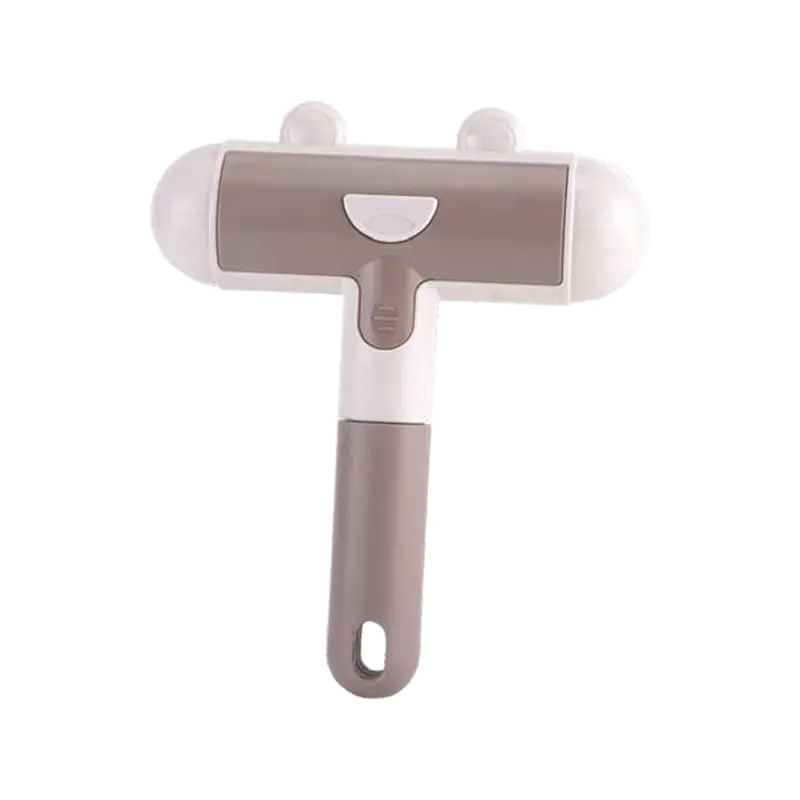
Many models use directional fabric or a washable adhesive surface to trap hair inside a chamber or along the roller drum itself. That design distinction matters more than it might seem. A reusable version is not a single-use adhesive strip that you peel off and throw away. It is a tool you clean and reach for again, potentially hundreds of times, which is why so many pet owners consider it both practical and cost-effective over the long run.
Here is what makes it worth keeping close at hand:
- Removes fur from clothing, furniture, car seats, and bedding — no harsh chemicals involved
- Handles a wide variety of fabric types, from loose-knit sweaters to woven upholstery
- Works without replacement sheets or refills once it is part of your routine
- Compact enough to fit in a bag, a glove compartment, or a coat pocket
How Does a Reusable Pet Hair Remover Roller Actually Work?
The mechanism varies considerably depending on the design, and understanding that variance is genuinely useful. Unlike a traditional sticky roller that traps hair through tackiness alone, a reusable version depends on physical contact. Roll in one direction and the surface grabs. Roll back, or press the roller into its docking base, and collected fur gets deposited into a chamber. No mess on your hands. No sheet to peel off or bin.
Micro-bristle designs sit behind many fabric-based models. Dense, short bristles are arranged in a directional pattern: forward stroke grabs, reverse stroke releases into a tray. Well-suited to clothing and light upholstery. For fabric-based rollers in particular, short, rapid back-and-forth motions tend to lift hair far more effectively than a single slow swipe across the surface. That rhythmic motion is what activates the directional bristles properly.
Rubberized fins or grooves operate more like a squeegee than a brush. The rubber edge bundles hair as it moves across fabric, gathering loose strands into visible clumps rather than trapping them against a sticky layer. These handle thicker upholstery and car seat fabric particularly well, especially with longer or coarser fur.
Electrostatic attraction is the driving force in microfiber and velvet-covered rollers. The material develops a mild static charge during use, pulling fine, short hairs away from the surface without adhesive at all. Quiet. No mechanical action needed.
How Different Materials Affect Performance
| Material | Mechanism | Where It Works Well |
|---|---|---|
| Silicone with fins or grooves | Physical bundling and grabbing | Upholstery, car seats, pet beds |
| Microfiber fabric | Static charge and soft-surface pickup | Clothing, delicate or fine fabrics |
| Dense PET or nylon bristles | Directional brushing and collection | Sofas, rugs, car interiors |
| Velvet-covered drum | Gentle static grab | Knitwear, fine garments |
| Rubber-edged drum | Scraping and gathering | Thick upholstery, heavy fabric |
| Washable adhesive surface | Sticky trap with rinse-and-reuse function | Multi-surface, embedded fur |
Worth saying plainly: reusable does not mean less effective. It means differently effective. A disposable roller traps hair permanently on a sheet you throw out. A well-maintained reusable tool performs the same job through repeatable action, session after session, without generating waste. Not better or worse — just a different approach to the same outcome.
Which Types of Reusable Rollers Are Available?
The range on the market is wider than many people expect, and picking the wrong category is one of the most common reasons people feel let down after buying.
Rubber or silicone rollers with a self-cleaning base remain the workhorse design. Roll across the surface, dock in the base, fur ejects into a sealed chamber. For anyone who dislikes touching clumps of pet hair directly, this mechanism is a real convenience upgrade. They perform particularly well on sofas, car seats, and pet bedding where fur builds up in compressed layers.
Fabric lint brush rollers — microfiber, velvet, or chenille — are gentler by nature and better suited to fine fabrics, knitwear, and formal wear. Many are reversible: stroke one way to collect, stroke the other way to release the fur into a bin. Minimal moving parts. Easy to carry. No batteries.
Motorized or battery-powered rollers spin automatically and cover larger areas faster. A full sofa or the entire back seat of a car takes noticeably less effort. The tradeoff is bulk — harder to slip into a coat pocket or keep near the door for a quick cleanup before leaving.
A rough surface-to-roller match, just for orientation:
- Clothing and coats: fabric lint brush roller or microfiber drum
- Sofa and upholstery: silicone roller with self-cleaning base
- Car seats: compact silicone or motorized roller
- Bedding and linens: fabric brush or rubber-edged roller
- Rug edges and small carpet patches: rubber-finned roller used alongside a vacuum
Reusable vs. Disposable: Is It Worth Making the Switch?
Honestly, the answer depends on your actual cleaning habits. The comparison is less about which performs better in a single session and more about what fits your routine over weeks and months.
Reusable tools justify themselves quickly when you have shedding pets and clean regularly. The ongoing cost of adhesive refill sheets accumulates quietly, and the plastic and cardboard they produce is not trivial. A reusable roller sidesteps all of that. The upfront cost is higher; after that, the expense effectively stops.
Disposable rollers still earn their place. Before an important event when your regular tool is nowhere to be found, or during an exceptionally heavy shedding episode where you just want to grab everything and throw it away — a disposable sheet handles the job cleanly with zero cleanup required. Keeping both around is a perfectly rational approach.
Situations where reusable makes more practical sense:
- You have shedding pets and clean multiple times per week
- Reducing the ongoing cost of refills is a priority
- You want a lower-waste cleaning routine
- You need something reliable across both home and car
Situations where disposable might serve better:
- You need a fast single-use fix before going out
- Traveling light means no room for extra tools
- A single, unusually heavy shedding episode where you want to throw everything away
How Do You Pick the Right One Before You Buy?
Before spending anything, a short checklist narrows the field considerably.
- Primary surface: Furniture and car seats lean toward silicone or rubber. Clothing favors microfiber or velvet. Getting this right cuts out half the options immediately.
- Your pet's fur length and texture: Fine, short hair responds well to static-attraction materials. Long, coarse fur handles better with rubber fins or dense bristles.
- Handle length and grip: A longer handle helps on sofas and low surfaces. A compact handle suits clothing and travel use.
- Self-cleaning base: If you would rather not handle fur clumps directly, look specifically for a model with a built-in ejection chamber.
- Washability: Can the roller head be rinsed under running water? Some are fully waterproof. Others are not. Knowing which you have changes how you maintain it.
- Portability: Check the size when capped. A roller that fits in a glove compartment is a tool you will actually use in the car.
When looking at product photos and reviews, focus on close-up images of the bristle or rubber surface — worn or flattened bristles in reviewer photos are a meaningful warning sign. Also look for images of the self-cleaning base in action, and pay attention to comments from people whose pet has a similar coat type to yours.
Helpful search phrases when comparing options:
- reusable pet hair roller self-cleaning base
- silicone pet hair remover roller for upholstery
- microfiber lint roller for fine pet hair
- compact pet hair roller for car seats
- washable adhesive pet fur roller
Step-by-Step: How to Use Your Reusable Roller Effectively
Getting the technique right is where most of the difference gets made. The tool matters, but so does how you use it.
Before starting: If the surface carries a heavy, loose layer of fur, shake it out or give it a light vacuum pass first. Trying to roll through a thick mat in one go overloads the roller. Breaking it into two passes — a rough clear, then a detailed roll — produces a noticeably cleaner result.
- Check the fabric nap. Drag your fingertips gently across the surface. Most upholstery and clothing has a grain. Rolling against it lifts fur aggressively; rolling with it smooths the fabric back down afterward. Know which direction you are working in before you start.
- Use short, rapid back-and-forth strokes on fabric-based rollers. This activates the directional bristles fully. A single slow swipe lifts far less than the same area covered with quick, repeated passes. On upholstery, work in overlapping rows so no strip gets missed.
- Use longer, controlled strokes on clothing. Lay the garment flat, pull it slightly taut, and work from the collar downward in firm passes. Knitwear benefits from lighter pressure and a fabric-type roller rather than rubber fins.
- Empty the collection chamber frequently. Do not wait until the drum is visibly packed. When the chamber is full, open the lid and clear it before continuing. A partially loaded roller works; a saturated one pushes hair around rather than picking it up. This one habit changes results more than any other single adjustment.
- Finish with a pass in the direction of the grain to smooth the fabric and lift any remaining loose strands the earlier passes stirred up.
When time is short: Two or three firm passes across the worst area, a quick empty of the chamber, and you have a visible improvement in under a minute.
Maintenance and Cleaning: How to Keep It Working Properly
Regular care separates a roller that works well for years from one that disappoints within a few months. The surface that grabs fur depends on being clear, flexible, and free of accumulated buildup.
Daily and Weekly Care
- After each session, press into the self-cleaning base or sweep collected fur into a bin before storing the tool
- For fabric or microfiber rollers, use a stiff-bristle comb or an old toothbrush to clear tangled hair once a week
- Wipe silicone and rubber surfaces with a damp cloth after each session to stop hair and dust from bonding to the surface
Deep Cleaning for Washable Models
If you own a washable adhesive roller, rinsing it under warm water removes fur, debris, and surface oils that reduce stickiness over time. A key point: do not pour dish soap directly onto the sticky surface. Instead, mix dish soap — Blue Dawn works particularly well if the roller has lost stickiness due to oils from pet hair — with warm or hot water in a container, then submerge or lightly scrub the roller head in the solution. Rinse thoroughly afterward. After washing, air drying is the standard recommendation, though blotting gently with a microfiber towel can speed up the process and helps the adhesive surface recover its tack faster. Do not press or rub aggressively during drying; the surface needs to settle back into shape undisturbed.
For silicone or rubber drum models, rinse under warm running water and use a small brush to clear fins and grooves. Allow to dry completely before storing. Moisture trapped inside a rubber chamber can degrade the material from the inside.
For bristle-based rollers, soak the head briefly in warm soapy water, comb through the bristles gently to release embedded hair, rinse, and air dry flat.
What Damages a Roller Faster Than Anything Else
Heat is the main threat. Direct sunlight, radiators, and hot car interiors warp rubber and silicone in ways that cannot be reversed. Harsh cleaners and solvents permanently degrade surface materials. Storing the roller with hair still on the drum — even just overnight — allows fur to embed deeper into grooves and bristles, making the next clean noticeably harder than it would otherwise be.
Storage
Use the protective cap or case if one came with the tool — every time, not just sometimes. Hanging storage on a hook or clip keeps the drum shape intact better than resting it face-down on a shelf. If no cover was included, a clean cloth bag works well to keep dust off the surface.
When to Replace
Rather than following a fixed schedule, watch for these signs:
- Grip has weakened noticeably and thorough cleaning no longer restores it
- Fins, bristles, or fabric surface are visibly worn or missing sections
- The self-cleaning mechanism no longer ejects hair reliably
- The handle or drum feels cracked or difficult to operate smoothly
Some models allow you to replace just the roller head while keeping the handle. That option reduces both material waste and cost, and it is worth seeking out when comparing otherwise similar products.
Practical Tricks That Genuinely Improve Results
Once the basic method is comfortable, a few extra habits sharpen results in ways that are hard to ignore.
Wipe the surface with a barely damp microfiber cloth before rolling. Moisture reduces static, loosening hair that has been pressed into fabric by body weight. Rolling immediately after lifts it far more cleanly than working a dry, compressed surface. Small step, noticeable difference.
Rubber gloves on upholstery — before you reach for the roller. Run a gloved hand firmly across the fabric in broad sweeping motions. Rubber bundles hair into visible clumps that the roller then collects in a fraction of the passes it would otherwise need. The roller does the cleanup; the glove does the gathering.
A dryer sheet dragged lightly across clothing before you leave reduces static, makes hair easier to lift, and slows how quickly new fur clings after you step outside. Five seconds of effort. Worth doing on heavy shedding days.
For a thorough clean, pair the roller with a vacuum attachment. Vacuum first to pull embedded fur out of the base of the fibers, then follow with the roller to catch what was left on the surface. These tools work at different depths, and used together they outperform either one working alone.
Keep a compact version in the car or near the front door. Proximity drives consistency more than anything else. A tool you can grab without thinking is the one you actually use. Tucking a small roller in the glove compartment or hanging one by the coat rack takes thirty seconds to set up and meaningfully changes how often you deal with fur before it piles up.
During heavy shedding seasons, rolling high-traffic areas a few times per week keeps accumulation manageable. Staying ahead of a light layer is always easier than clearing a deep one. Place the roller near your pet's favorite resting spot and you will find yourself reaching for it naturally, in the moment, rather than letting the fur wait.
Troubleshooting: Are You Making These Mistakes?
Most performance problems trace back to a small number of fixable habits rather than a faulty tool.
Too much pressure is one of the most frequent errors. Pressing hard does not improve pickup — it flattens bristles and reduces the contact surface that does the actual work. The roller needs to roll, not scrape.
Ignoring the fabric nap means the roller may be smoothing hair into the weave rather than pulling it out. A quick fingertip check before starting takes no time and significantly changes what gets lifted.
Rolling on a full chamber is the most common reason people feel the tool has stopped performing. Empty it during the session, not just afterward.
Using the wrong roller type on a delicate fabric risks snags and surface distortion. Test on a small hidden area first — knitwear, velvet, and loosely woven fabrics especially warrant a cautious approach.
Leaving the roller dirty between sessions allows fur to embed into grooves and bristles, making the next cleaning session more involved than it needed to be. A quick clean after each use is far easier than a recovery clean after several neglected ones.
If the roller clogs mid-session, rinse under warm water immediately if the model is waterproof, or comb out the surface before continuing. Forcing it through more fabric while clogged pushes hair around rather than collecting it.
Flattened bristles after heavy use? Soak the head briefly in warm water, then comb through gently. Most rubber and silicone models respond well to this and it is worth trying before writing the tool off.
Getting the Right Result on Every Surface
Sofa and Upholstered Furniture
A silicone or rubber-finned roller with a self-cleaning base handles this well. Work one cushion at a time, rolling against the grain in long overlapping passes. Flip cushions to reach the sides and underside. Seams and corners tend to trap compressed fur — those areas benefit from extra attention and shorter, more targeted strokes.
Clothing and Coats
Lay the garment flat before rolling. A fabric brush or microfiber drum suits fine fabrics and knitwear better than rubber fins, which can catch on looser weaves. Short strokes from shoulder to hem with the garment slightly taut lift fur more effectively than rolling over a bunched surface. For clothing you wear regularly, a quick pre-departure roll is a habit that takes about fifteen seconds and saves you from noticing fur in a mirror later.
Car Interiors
A compact silicone roller handles fabric seats well. Roll firmly against the grain for maximum pickup. On perforated or textured leather, switch to a softer fabric roller with lighter pressure to avoid surface marks. These tools are effective at picking up embedded hair that a standard vacuum attachment sometimes misses, particularly in seat creases and along headrests. Pair with a handheld vacuum for floor mats and carpet sections where fur works its way deeper into the pile.
Bedding and Linens
Roll bedding before washing it. Hair that runs through a wash cycle can embed more deeply into fabric and may transfer to the machine drum, affecting future washes. A pass before laundering is a small habit that prevents a much larger problem over time.
Rugs and Small Carpet Areas
Use the roller on visible surface hair first, bundling it into clumps. Then vacuum to pull out anything embedded lower in the pile. Attempting both jobs with the roller alone takes far longer than necessary; the two-step approach is consistently faster and more thorough.
Care, Storage, and What to Realistically Expect Over Time
How long a reusable roller stays effective comes down almost entirely to how it is treated between sessions. Frequency of use, cleaning habits, and storage conditions all vary too much for a single lifespan figure to mean anything useful. What matters more is knowing what to look for.
A roller that has lost meaningful grip even after thorough cleaning — fins or bristles visibly worn, the ejection mechanism unreliable — has reached the end of its working life. Some models allow for head replacement without replacing the handle, which reduces both cost and material waste. That option is worth prioritizing when comparing otherwise similar products.
On the sustainability side: when parts do need replacing, recycle packaging where local facilities allow, and dispose of worn components according to the materials they are made from. Keeping the tool in good working condition for as long as possible is always the lower-impact path, and the maintenance steps above are the most direct route to that outcome.
Keeping on top of roller care becomes second nature faster than most people expect. The few minutes spent rinsing, combing, or pressing the chamber into its base after a session translate directly into reliable performance every time the tool gets picked up. Whether the task is a sofa thick with fur, a car seat after a long drive with a muddy passenger, or a dark coat about to walk into a meeting, the difference between a well-maintained tool and a neglected one is obvious from the very first pass. Build a few small habits around maintenance and technique, match the tool to the surface at hand, stay stocked with the right cleaning solution for washable models, and it will handle the fur problem consistently — session after session — without refills, disposable sheets, or the steady recurring expense that comes with single-use alternatives.