 English
 中文简体
中文简体 русский
Pet hair is one of those everyday details that quietly spreads through a home. It shows up on fabric surfaces, gathers in corners of sofas, and clings to clothing in ways that often feel unexpected. A cat hair remover scraper is designed for this exact situation. It is a simple handheld cleaning tool that removes embedded pet hair from fabric surfaces through direct contact and controlled friction.
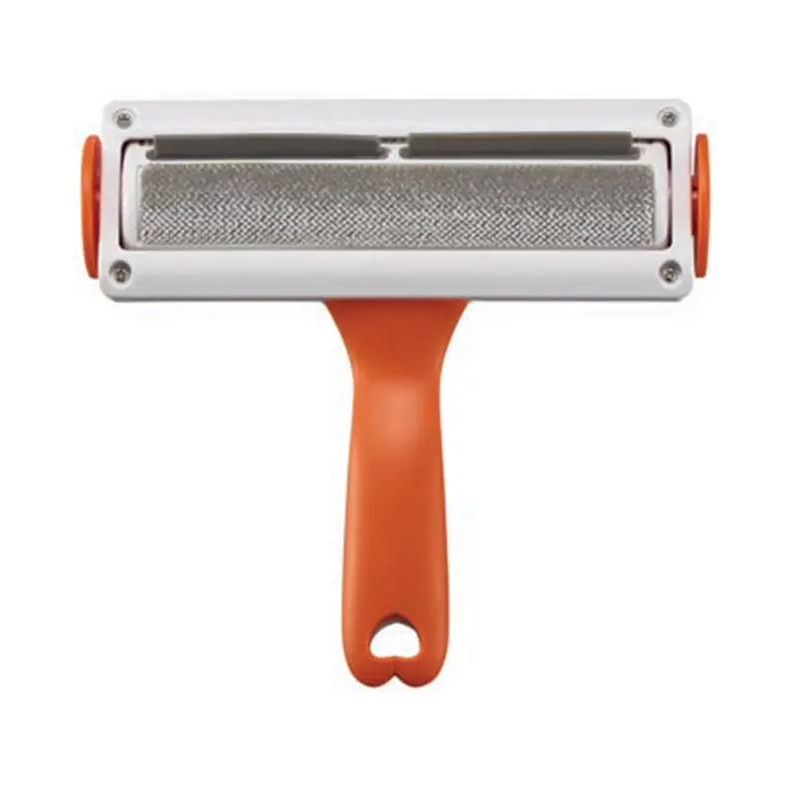
Unlike many modern cleaning tools that rely on suction, adhesives, or electricity, this scraper works through physical interaction with fibers. The result is immediate and visible. Hair collects into small piles that can be removed by hand. The process is straightforward, but the way it interacts with different materials is more complex than it first appears.
What Is a Cat Hair Remover Scraper and Why Do Homes Rely on It?
A cat hair remover scraper is a manual cleaning tool used to lift pet hair from surfaces where it tends to cling. The tool typically has a handle and a flat or angled edge. This edge is drawn across fabric to loosen and gather hair.
Its main role is not to clean deeply in a technical sense, but to restore surface appearance. Sofas look clearer. Bedding feels fresher. Clothing appears more presentable.
Many households use it because it fills a gap between light cleaning and more intensive cleaning methods. A quick pass can change the look of a surface without requiring a full cleaning session.
There is also a practical side. The tool does not depend on consumables. It does not require replacement sheets or power sources. It is ready at any moment, which makes it suitable for repeated use throughout the day.
Pet owners often describe a pattern: hair appears again shortly after cleaning. This is normal with shedding animals. A scraper fits into that cycle by allowing frequent, low-effort maintenance.
How Does a Cat Hair Remover Scraper Lift Hair From Fabric Surfaces?
The working principle of a scraper is based on friction and fiber separation. Fabric surfaces are made of interwoven threads, creating small spaces where hair can become trapped. Once hair settles into these spaces, simple wiping is not enough.
When the scraper edge moves across the fabric, it applies controlled pressure. This pressure shifts the fibers slightly. As the fibers move, trapped hair is loosened and pushed outward.
The motion creates a lifting effect rather than a pulling effect. Instead of grabbing hair directly, the tool encourages it to release from the fabric structure.
Hair behaves differently depending on surface texture:
- On smooth fabrics, hair tends to sit closer to the surface and gathers easily
- On textured fabrics, hair sits deeper between fibers and requires slower movement
- On layered materials like cushions, hair collects in uneven pockets
A useful way to imagine the process is like gently "combing" the surface of fabric without teeth. The scraper edge does not penetrate deeply, but it interacts just enough to dislodge trapped strands.
Small movements matter. Repeated passes over the same area often produce more noticeable results than a single strong stroke. This is because fibers gradually relax with repeated contact.
What Materials and Designs Influence the Scraper's Performance?
The structure of a cat hair remover scraper is simple, but material choice affects how it feels and performs.
Below is a general overview:
| Component | Common material type | Functional role |
|---|---|---|
| Handle | Plastic, wood, coated rubber | Grip stability and control |
| Edge | Metal or firm plastic | Hair lifting contact point |
| Body frame | Lightweight composite material | Balance and movement support |
The handle determines how steady the motion feels. A firm grip reduces slipping during longer cleaning sessions. Rubber-coated handles often help maintain control when pressure is applied.
The scraping edge is the most important part. A firmer edge tends to move more efficiently across dense fabrics. Softer edges are more forgiving on delicate materials.
Some scrapers include a slightly curved edge. This shape allows smoother transitions across fabric folds, such as sofa corners or bedding edges. Flat edges tend to work better on open, even surfaces.
Weight also plays a subtle role. A slightly heavier scraper can maintain steady pressure without requiring excessive hand force. Lighter versions are easier to move quickly across large areas.
The design is generally minimal. There are no complex mechanisms. The effectiveness depends on contact and motion rather than internal components.
Where Does Cat Hair Collect Most Often in Daily Living Spaces?
Pet fur never spreads uniformly around a house, and its gathering spots mostly follow where cats spend their time plus regular household movement.
These spots always pile up cat hair the fastest:
- Couch cushions and armrests cats pick for napping
- Bed sheets and pillowcases used as pet sleeping spots
- Casual garments tossed over chairs or piled on beds
- Floor rugs along the cat's usual wandering routes
- Fabric car upholstery after taking cats out for rides
All these spots get frequent physical contact with pets. Each rest or stroll leaves loose fur stuck on materials, and gradual buildup creates noticeable hair layers over days.
Material texture makes a big difference too. Plush, woven fabrics catch and lock in stray hairs far better than sleek flat surfaces.
Indoor airflow also affects accumulation. Rooms without steady air circulation let floating hair sink down onto nearby furnishings rather than drift out of sight.
Generally speaking, relaxed low-activity corners for people and long resting spots for cats always build up far more fur than busy, frequently trodden areas.
How Is a Cat Hair Remover Scraper Used in Different Cleaning Situations?
Using a scraper is not complicated, but the approach changes depending on the surface.
On sofas, the movement is usually broad and steady. The tool is drawn across cushions in overlapping paths. Hair often gathers in visible lines, which can then be picked up by hand.
On bedding, the process is more layered. Fabric folds and wrinkles can trap hair. Flattening the surface slightly before scraping helps improve contact.
On clothing, gentler movement is used. Thin fabrics respond better to lighter pressure. The scraper is moved in short strokes rather than long sweeps.
A typical cleaning flow may look like this in practice:
- Surface is checked for visible hair clusters
- Scraper is placed at a slight angle
- Controlled strokes are applied across fabric
- Hair is gathered into small piles
- Loose piles are removed by hand
Instead of rushing across a large area, dividing the surface into sections tends to create more consistent results. Each section receives focused attention before moving to the next.
Some users develop personal patterns. For example, they may always move left to right on sofas, or top to bottom on bedding. These patterns help ensure no area is missed.
How Does a Scraper Compare With Other Pet Hair Cleaning Methods?
Different tools handle pet hair in different ways. A scraper is only one option in a broader cleaning routine.
| Method | Working principle | Surface feel | Hair removal style |
|---|---|---|---|
| Scraper | Friction and fiber lift | Direct contact | Hair collects in piles |
| Lint roller | Adhesive pickup | Light touch | Hair sticks to sheet |
| Vacuum brush | Suction and rotation | Mechanical airflow | Hair pulled into container |
Each method behaves differently on fabric.
A scraper provides visible collection. Hair gathers in clumps that can be seen immediately. This makes progress easy to track during cleaning.
A lint roller relies on sticky surfaces. It is often used for quick clothing touch-ups, but it requires replacement layers over time.
A vacuum brush works through suction. It can cover larger areas quickly, but sometimes struggles with hair embedded deep in fabric layers.
In many homes, these tools are not used separately. They complement each other. A scraper may handle sofas, while a lint roller is used for clothing, and a vacuum brush manages floor areas.
The choice often depends on texture, convenience, and how much time is available.
What Mistakes Reduce the Effectiveness of a Cat Hair Remover Scraper?
Although the tool is simple, certain usage habits can limit its performance.
One common issue is applying uneven pressure. Too much force can cause the scraper to drag without lifting hair properly. Too little pressure may not reach embedded strands.
Another issue is fast movement. Quick strokes often skim over the surface rather than interacting with fabric fibers. Slower, controlled motion tends to work more effectively.
Using the same direction repeatedly without adjustment can also leave behind loose hair. Changing direction occasionally helps reach fibers from different angles.
Ignoring surface type is another factor. A single approach does not work equally well across all fabrics. Softer textiles often need lighter contact, while thicker materials require more sustained movement.
There is also the matter of tool cleanliness. When hair builds up on the edge, it can reduce contact efficiency. Clearing the scraper during use helps maintain consistency.
A simple adjustment in technique often changes results more than switching tools.
Why Does Pet Hair Behave Differently on Various Surfaces?
Cat hair is light, flexible, and responsive to static conditions. These characteristics influence how it attaches to surfaces.
Fabric structure plays a major role. Loose weaves allow hair to slip between threads, while tighter weaves hold hair closer to the surface.
Static charge also influences behavior. Some synthetic materials generate small static effects that attract hair. This makes hair cling more strongly than expected.
Movement within the home adds another layer. When people sit or shift on furniture, pressure pushes hair deeper into fabric. Over time, this creates layered buildup.
Humidity levels can also affect how hair behaves. In drier indoor environments, hair tends to stick more easily. In more humid conditions, it may move more freely but still settles over time.
Understanding these patterns helps explain why simple brushing or shaking is often not enough. Hair is not just resting on surfaces. It becomes part of the fabric structure temporarily.
A scraper works because it interacts directly with this structure rather than only addressing the surface layer.
What Does a Typical Cleaning Moment Look Like in a Home Setting?
A common scene in many homes involves a sofa after a short period of pet activity. The surface may look clean at first glance, but closer inspection reveals scattered strands of hair.
A scraper is picked up and placed gently against the fabric. The motion begins slowly. Hair starts forming small lines along the edge. After a few passes, those lines gather into visible clusters.
The sound of movement across fabric is soft. There is no mechanical noise. Only contact between tool and surface.
In a few minutes, the appearance of the sofa changes. The transformation is not dramatic in a technical sense, but it is noticeable in everyday viewing.
Similar moments happen with bedding before washing or clothing before going out. These small cleaning interactions become part of daily routines rather than occasional tasks.
The tool itself does not change. The environment changes through repeated use.
How Does a Cat Hair Remover Scraper Fit Into Modern Household Cleaning Habits?
Modern home care often focuses on simple, repeatable actions rather than complex processes. People prefer tools that can be used quickly without preparation.
A Hair Remover Roller Manufacturer fits this approach. It does not require setup. It does not involve learning complex steps. It responds directly to user movement.
It also supports flexible timing. Cleaning does not need to be scheduled as a large task. It can happen in short moments during the day.
Another aspect is adaptability. The same tool can be used on multiple surfaces without adjustment. This reduces the need for multiple specialized items.
As living spaces continue to include more fabric-based furniture and shared pet areas, tools like scrapers remain relevant because they address a recurring condition rather than a one-time issue.
The interaction between pet behavior and household materials ensures that hair will continue to appear in daily life. A scraper simply offers a direct way to respond to that pattern without complexity or delay.