
 English
 中文简体
中文简体 русский
Dog gold chain leashes look simple at first glance. A shiny chain, a hook, a handle. But once you break it down, there are actually several layers of material working together.
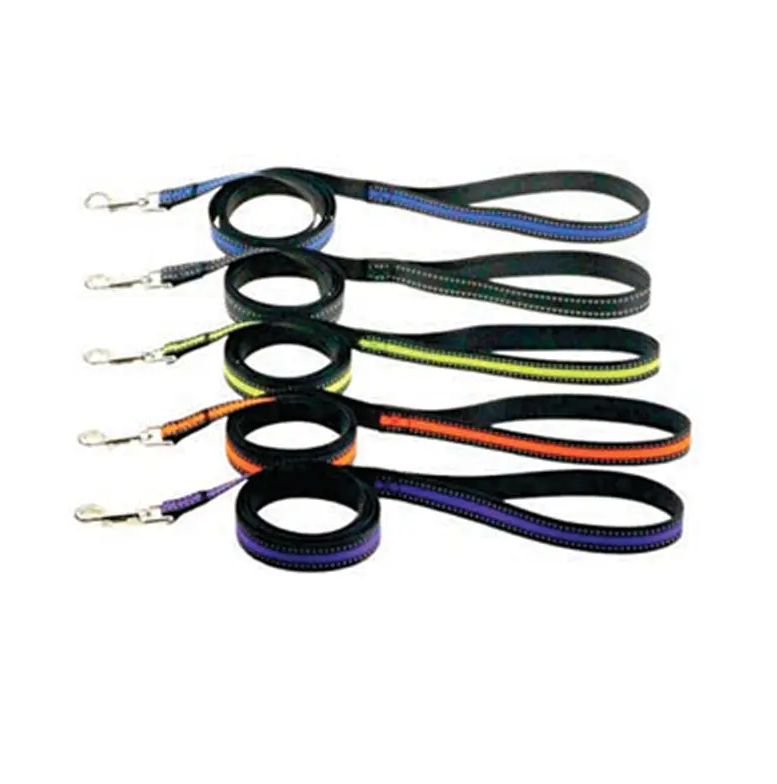
Some parts are there for strength. Some are for comfort. Others are purely about appearance. None of them work alone.
The Chain Itself: What It's Really Made Of
The main body is usually built from metal links. Not solid gold, of course, but shaped metal that forms a repeating chain structure.
These links need to do two things at the same time. Stay flexible when the dog moves, and still hold firm when there's pulling force.
That balance is why the material choice matters. Too soft, and it deforms. Too rigid, and it feels awkward in use.
That Gold Look: Where It Comes From
The shiny gold surface is mostly a finish layer.
It sits on top of the metal base and gives the leash its visual identity. Depending on how it's treated, the shine can look bright and reflective or slightly muted.
Over time, especially with outdoor use, this surface may slowly change. Small scratches or dullness can appear. That's normal wear rather than something unusual.
Hooks and Connectors: Small But Important
The clasp and connecting rings don't get much attention, but they carry a lot of responsibility.
These parts are usually made from stronger metal than the decorative chain itself. They handle sudden pulls, direction changes, and repeated stress every day.
If anything fails on a leash, it's often here first. That's why manufacturers don't treat these as decorative parts.
The Handle: Where The Hand Actually Feels It
The handle is where things shift from metal to comfort.
Most gold chain leashes don't leave the handle as bare metal. It would feel too harsh during longer walks.
Instead, softer materials are added. Sometimes padded wrapping. Sometimes synthetic leather-like layers. The idea is simple—reduce pressure on the hand.
It's a small detail, but it changes the whole walking experience.
Weight: Something You Notice After A While
At first, weight doesn't seem important. But after a few minutes of walking, it becomes obvious.
Metal chains naturally add some heaviness. That can feel stable, but also tiring if it's not balanced well.
So material choice isn't just about strength. It also affects how the leash swings, how it rests in the hand, and how it behaves when the dog moves suddenly.
Outdoor Reality: How Materials Change Over Time
Once the leash is used outside, it starts interacting with real conditions—sunlight, moisture, dust, movement.
The surface finish is usually the first thing to show change. It might lose a bit of shine or develop fine marks.
The metal underneath usually holds up longer, but even that can slowly shift in appearance depending on care and usage.
Nothing stays exactly the same, and that's expected.
Simple Breakdown Of The Materials
| Part | What It's Usually Made Of | Why It's Used |
|---|---|---|
| Chain body | Shaped metal links | Strength + flexibility |
| Surface layer | Gold-tone coating | Appearance |
| Clips & rings | Reinforced metal | Safety + load handling |
| Handle wrap | Soft synthetic or padded material | Comfort in hand |
Comfort Side: What The Dog Actually Experiences
Dogs don't care about "gold finish," but they do respond to movement.
A smoother chain moves more evenly when the dog walks. Less stiffness means fewer sudden pulls on the collar.
It's not about luxury—it's about reducing sharp changes in tension during motion.
Style And Function Sitting Together
Gold chain leashes usually sit between two ideas: fashion and function.
Some buyers focus on appearance. Others care more about durability. Most products end up balancing both.
That's why you'll often see a strong metal structure underneath a polished outer layer.
What People Usually Notice First
When someone picks up this kind of leash, a few things stand out immediately:
- The weight in the hand
- The smoothness of the chain movement
- The feel of the handle
- The way the hook locks into place
These impressions come directly from material choices, even if people don't think about it that way.
How It Ages In Real Use
With time, the leash starts to change slightly.
The shine softens. The handle may feel more familiar in grip. The chain might show small surface marks.
These changes don't usually affect function. They're more like signs of use, part of everyday wear.
A dog gold chain leash isn't just one material. It's a mix—metal for structure, coating for appearance, soft layers for comfort.
Each part does a different job. Together, they make something that looks simple but is actually quite layered in design.