
 English
 中文简体
中文简体 русский
Dog leash design is not only about appearance. It connects function, comfort, and user preference in a single product. Behind every leash style, there is a series of decisions that shape how it looks and how it performs in daily use. Manufacturers do not choose design styles randomly. Each direction comes from practical needs, material behavior, and usage habits observed in real environments.The process is often subtle. It combines observation, adjustment, and gradual refinement rather than sudden change.
What Influences the Starting Point of a Leash Design?
Design style often begins with observation of daily use. Dog leashes are handled in different environments. Parks, streets, training spaces, and home surroundings all create different expectations.
Manufacturers look at how people hold the leash, how often it is adjusted, and how it interacts with movement. These small details help define the shape and structure of future designs.
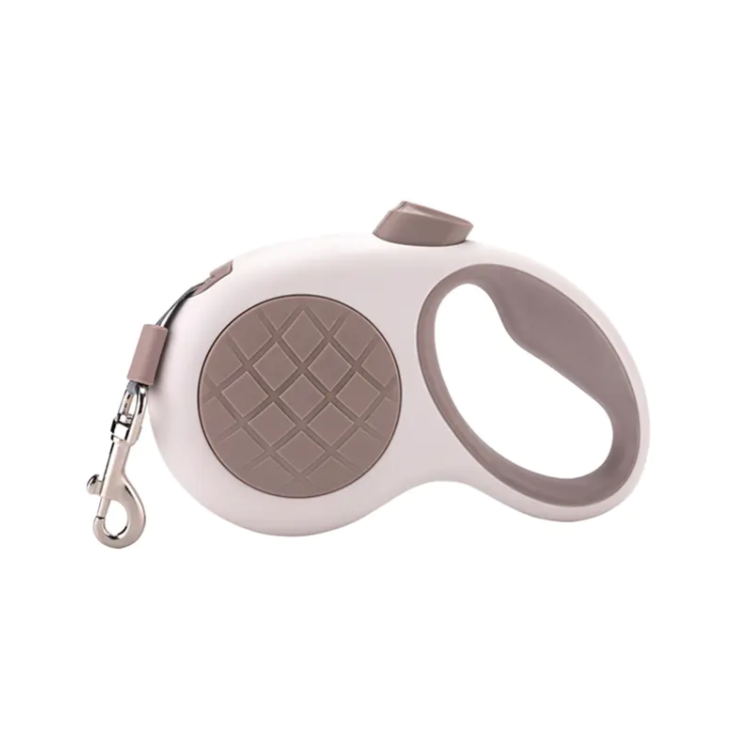
Hand comfort is one of the early considerations. A leash is not just pulled. It is gripped, guided, and sometimes wrapped around the hand. This influences thickness, texture, and handle shape.
Animal behavior also matters. A leash must respond to sudden movement without becoming uncomfortable for the handler.
How Does Function Shape Design Style Choices?
Function and style are closely linked. A leash designed for walking in open spaces may look different from one used in controlled environments.
Some designs focus on flexibility. Others focus on steady control. The structure reflects these needs.
Length, handle type, and attachment style all influence design direction. Even when two leashes look similar, their internal structure may differ based on intended use.
Manufacturers often start with function before visual style. Once the structure is defined, appearance is adjusted around it.
This helps maintain balance between usability and appearance.
Why Do Material Characteristics Affect Design Direction?
Materials play a quiet but important role in design decisions. Each material behaves differently when shaped or used.
Some materials are flexible and easy to fold. Others remain firm and structured. This behavior influences how the leash is formed and finished.
If a material bends easily, design styles may lean toward softer shapes. If it holds structure well, more defined lines may be used.
Surface texture also matters. Smooth materials create a different visual impression compared to textured ones.
Manufacturers match design style with material behavior to maintain consistency between appearance and performance.
How Do User Habits Influence Style Decisions?
User habits provide a large part of design direction. People use leashes in different ways depending on lifestyle and environment.
Some prefer simple handling. Others prefer more control options. These habits shape how leashes are visually and structurally designed.
Grip style is especially important. Some users hold the leash loosely. Others prefer a firm grip. This changes handle shape and surface treatment.
Movement patterns also matter. Dogs that move quickly or change direction often require different leash response compared to calmer behavior.
Design style evolves based on repeated observation of these habits over time.
What Role Does Visual Appearance Play in Design Selection?
Visual appearance is not only decorative. It communicates purpose and usability.
Some designs focus on simplicity. Others include visible structure changes that suggest function. For example, reinforced sections may be visually highlighted through shape or layering.
Color choices and surface patterns also influence perception. While they do not change function, they help define product identity.
Manufacturers often balance appearance with practicality. A visually complex design still needs to remain easy to use.
The goal is harmony between look and function rather than decoration alone.
How Do Manufacturers Break Down Design Style Decisions in Detail?
Dog leash design style is not decided in one step. It is usually broken into smaller evaluation points. Each point helps narrow down the final direction. This makes the design process more structured and easier to adjust.
1. Grip experience analysis
Manufacturers observe how the leash feels in the hand. A design may shift depending on whether users prefer a soft grip or a firm hold. Handle shape, curvature, and surface contact are considered together.
2. Movement response behavior
The way a leash reacts when a dog moves is also studied. Some styles aim for smoother response, while others focus on controlled resistance. This affects overall structure and visual form.
3. Usage environment matching
Different environments influence style decisions. Urban walking, open outdoor areas, or training spaces all require slightly different visual and structural approaches.
4. Material flexibility evaluation
Material behavior guides design lines and shape stability. Flexible materials allow softer curves. More rigid materials support structured and defined outlines.
5. Visual simplicity balance
Manufacturers often check whether the design feels too complex or too minimal. The goal is a clear appearance that still supports practical use.
6. Durability expectation check
Even at the design stage, expected usage time and wear behavior are considered. This influences thickness, reinforcement placement, and overall silhouette.
7. User preference feedback loop
Design styles are adjusted based on repeated feedback patterns. Small changes are made over time rather than replacing the entire design direction.
How Do Manufacturers Respond to Changing Market Preferences?
Design style is not fixed. It shifts gradually based on user expectations and market behavior.
Some periods show preference for minimal appearance. Other times lean toward more expressive visual elements.
Manufacturers observe feedback from use environments, retail behavior, and customer feedback channels. These observations guide adjustments in style direction.
Changes are usually gradual. Instead of redesigning completely, existing structures are adjusted slightly to match new expectations.
This helps maintain continuity while adapting to evolving preferences.
What Happens When Function and Style Need to Be Balanced?
Balancing function and style is one of the most important parts of leash design.
A visually attractive leash must still perform well during use. At the same time, a highly functional leash should remain visually acceptable for everyday handling.
Manufacturers often test different combinations of structure and appearance. Some designs emphasize comfort first. Others highlight visual identity while maintaining basic function.
The balance is not fixed. It shifts depending on target use scenarios.
A simple design may support active movement better. A more detailed design may focus on controlled environments.The final choice depends on intended application rather than preference alone.
How Do Design Trends Develop in Dog Leash Manufacturing?
Design trends often emerge from repeated patterns in user behavior and material development.
When certain structures prove practical, they tend to appear more frequently in future designs. Over time, this creates recognizable style directions.
Trends may also come from broader lifestyle changes. More outdoor activity, urban living, or training-focused pet care can influence leash design direction.
Manufacturers observe these patterns and adjust gradually. Rather than following sudden changes, they refine existing ideas.This creates a slow but steady evolution in design language.
Dog Leash Manufacturer do not select design styles based on appearance alone. Each choice reflects a combination of function, material behavior, user habits, and safety requirements. These factors work together to shape products that feel natural in use while maintaining consistent structure across different environments.