
 English
 中文简体
中文简体 русский
Pet grooming has shifted from a simple routine into a structured part of daily care. Tools used in this process are no longer seen as general accessories. They are now selected based on coat type, comfort level, and grooming purpose. Among these tools, grooming combs hold a central place.
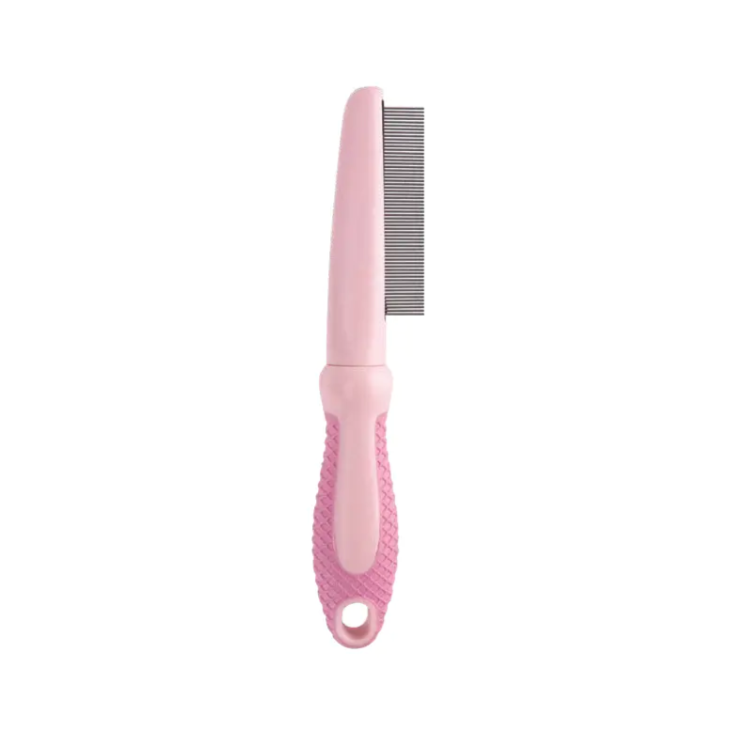
A grooming comb is not a single design. It exists in many forms. Each type supports a different stage of coat care. Some focus on detangling. Some help with finishing touches. Others support cleaning and maintenance of dense fur.Understanding these variations helps explain how grooming routines are shaped in practice.
Why Do Pet Grooming Comb Come in Different Forms?
Pet coats vary widely. Some are short and smooth. Others are long, dense, or curly. A single comb design cannot handle all conditions effectively.
Variation in comb design allows targeted care. A tool designed for fine fur may not work well on thick coats. A comb made for detangling may not be suitable for surface smoothing.
Comfort also plays a role. Pets react differently to grooming. A suitable comb reduces pulling and improves handling experience.
The variety in grooming combs reflects the variety in coat conditions. Each design serves a specific need rather than a general function.
What Is a Wide-Tooth Grooming Comb Used For?
Wide-tooth combs are commonly used for initial grooming steps. Their spacing allows fur to pass through without strong resistance.
This type is often used on longer or thicker coats. It helps separate strands gently. Loose tangles can be reduced without applying strong force.
The comb moves through the coat in smooth passes. It does not focus on fine detail. Instead, it prepares the fur for deeper grooming stages.
Wide spacing reduces pulling. This makes it suitable for pets that are sensitive during grooming.
It is often used at the beginning of a grooming routine. The goal is to loosen structure before more precise tools are used.
How Does a Fine-Tooth Comb Work in Grooming?
Fine-tooth combs focus on detail. Their closely spaced teeth allow closer contact with the fur.
This type is often used after initial detangling. It helps smooth the coat and identify small knots that may remain.
The comb moves more slowly through the fur. It picks up fine strands and aligns them in a uniform direction.
Fine-tooth combs are often used on shorter coats or finishing stages of grooming. They help create a smooth surface appearance.
Because of their structure, they require careful handling. Sudden movement may cause resistance in dense areas.
What Role Does a Detangling Comb Play in Pet Care?
Detangling combs are designed for knots and matted fur. They are used when the coat has become tightly grouped or uneven.
Their structure often includes varied spacing or specialized edges. This allows them to separate tangled sections gradually.
Instead of forcing knots apart, the comb works through layers of fur. Each movement reduces density over time.
Detangling combs are often used in targeted areas rather than across the full coat. Common zones include behind ears, under legs, and around the neck.
This type of comb requires patience. The goal is controlled separation rather than quick removal.
What Is the Function of a Double-Sided Grooming Comb?
Double-sided combs offer two working surfaces in one tool. Each side has a different spacing or tooth pattern.
One side may be designed for general grooming. The other may focus on finer finishing work.
This design supports flexible grooming routines. A user can switch between stages without changing tools.
It is often used in environments where efficiency matters. The comb reduces the need for multiple tools during a single grooming session.
The structure supports gradual transition from coarse grooming to finer detailing.
How Do De-Shedding Combs Help Manage Loose Fur?
De-shedding combs are used to remove loose undercoat hair. These combs target fur that is ready to fall out naturally.
They do not cut or trim. Instead, they gather loose strands that are trapped within the coat.
This helps reduce hair buildup in living spaces. It also improves airflow within the coat, which may support skin comfort.
The comb is often used in steady, controlled movements. It focuses on areas where shedding is more visible.
Regular use can help maintain a cleaner coat appearance without changing its natural structure.
What Makes Flea Comb Designs Different?
Flea combs have very close spacing between teeth. This design allows them to catch small particles within the fur.
They are often used for inspection and cleaning rather than general grooming.
The comb moves slowly through the coat. It helps detect small debris or unwanted particles that may not be visible at first glance.
Flea combs are usually used in short sessions. Their fine structure makes them suitable for targeted use.
They are often combined with other grooming tools for full coat care.
How Does Comb Material Affect Grooming Experience?
The material of a grooming comb influences how it feels during use. It also affects durability and handling comfort.
Common materials include lightweight plastics, coated metals, and mixed structures.
Plastic combs are often light and easy to handle. They are suitable for everyday grooming.
Metal combs provide stronger structure. They glide more consistently through dense coats.
Some combs combine materials to balance comfort and strength.
Below is a simple overview:
| Comb Type | Common Structure Focus | Typical Use Case |
|---|---|---|
| Wide-tooth comb | Gentle separation | Thick or long coats |
| Fine-tooth comb | Surface smoothing | Finishing grooming |
| Detangling comb | Knot reduction | Matted or tangled fur |
| Double-sided comb | Multi-stage grooming | General grooming routines |
| De-shedding comb | Loose hair removal | Seasonal coat maintenance |
| Flea comb | Fine inspection | Detail cleaning |
Each type supports a different grooming goal. The structure determines how the comb interacts with fur.
How Do Grooming Combs Influence Pet Comfort?
Comfort plays a central role in grooming. Pets respond to pressure, movement, and contact.
A suitable comb reduces pulling and uneven force. This creates a smoother experience during grooming sessions.
Short, controlled movements are often preferred. They allow pets to adjust gradually to the process.
Different comb types influence comfort differently. Wide spacing tends to feel lighter. Fine spacing requires more care and slower movement.
Comfort is closely linked to consistency. Regular grooming helps pets become familiar with the process.
What Should Be Considered When Choosing a Grooming Comb?
Selection depends on coat condition and grooming purpose. There is no single comb that fits all situations.
Coat length is one factor. Long coats may require detangling and wide-tooth designs. Short coats may rely more on fine-tooth or maintenance combs.
Grooming frequency also matters. Regular grooming may use simpler tools. Occasional grooming may require more targeted comb types.
Pet behavior is another factor. Some pets respond better to lighter tools and slower movement.
The goal is alignment between tool and need, rather than complexity.
How Do Grooming Combs Fit Into Daily Pet Care Routines?
Grooming combs are often used as part of a routine rather than a single task. They help maintain coat condition over time.
Regular use helps reduce buildup of loose fur. It also helps identify changes in coat texture early.
Some sessions focus on surface grooming. Others target specific areas with knots or shedding.
The comb becomes part of ongoing care. It supports observation as much as grooming.
Different comb types may appear in the same routine, depending on coat condition and time available.
Pet Grooming Comb Manufacturer continue to evolve alongside pet care habits. Their variety reflects the range of coat types and grooming needs found in everyday use. Each design plays a specific role in maintaining comfort, cleanliness, and coat structure across different situations.