
 English
 中文简体
中文简体 русский
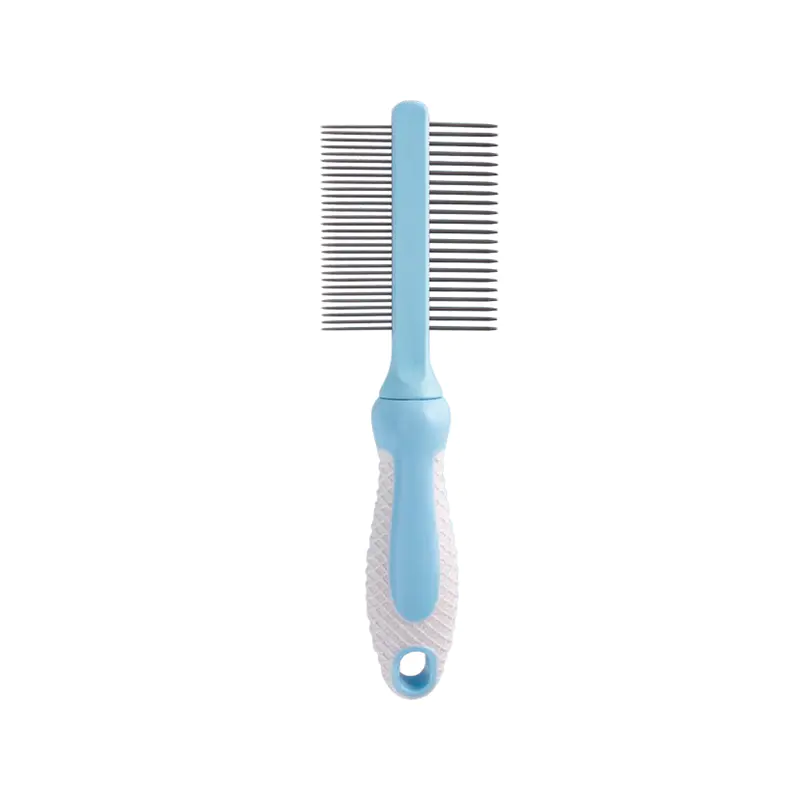
Every time you sit down to groom your pet, you are doing more than keeping their coat tidy. Running a Pet Grooming Comb through your companion's fur creates a rare opportunity to feel and observe what is happening directly at skin level — something a quick visual glance rarely captures. With a little awareness and a consistent routine, this simple daily habit can become one of the most practical ways to catch early warning signs before they turn into something harder to manage.
Why Early Detection Makes Such a Difference
Skin conditions tend to respond far better to care when caught early. By the time something becomes visibly noticeable without touching the skin, it may have already moved past its earliest stage. That is where combing earns its place — it combines tactile feel with visual observation, giving you two layers of awareness working at the same time. Most pet owners are surprised by how much they start noticing once they slow down and pay attention during grooming.
The benefits of catching changes early are worth keeping in mind:
- Faster recovery with less discomfort for your pet
- Less chance that a minor irritation turns into a full infection
- Reduced stress for both the pet and the owner
- Simpler treatment when a condition is still in its early stage
- A clearer sense of what is "normal" for your specific pet
What Are You Actually Looking For?
This is where things get practical. Knowing what to watch for during a session turns an ordinary routine into something genuinely useful. As you work through the coat, pay attention to these:
- Texture changes. Skin that feels rougher, scalier, or thicker than usual in one spot is worth a closer look.
- Lumps or swellings. Some are no bigger than a small pea and sit just beneath the surface — easy to miss if you are not deliberately feeling for them.
- Redness or discoloration. Inflamed or darker patches often point to irritation or an allergic response of some kind.
- Dry or flaky areas. Flakiness along the comb's path can hint at dehydration, a fungal issue, or something off in the diet.
- Parasite signs. Tiny moving specks, dark dots near the skin, or a pet that keeps scratching one area — all easier to spot when you are parting the fur section by section.
- Uneven hair loss. Thinning concentrated along a particular path may signal a skin or hormonal issue developing underneath.
- Flinching or sensitivity. A pet that reacts more than usual to being combed in one area is telling you something. Slow down and take a closer look.
How Does Comb Type Affect What You Notice?
Not every comb makes the same contact with skin, and the difference matters more than people expect.
| Comb Type | Coat Suitability | Skin Detection Ability | Key Consideration |
|---|---|---|---|
| Fine-tooth comb | Short, smooth coats | High; reaches skin easily | Good for catching parasites and surface texture changes |
| Wide-tooth comb | Long, thick, or curly coats | Moderate; better for detangling | Useful for finding larger lumps or matting close to skin |
| Rotating pin comb | Dense double coats | Good; reduces pulling | Helps reach the undercoat by parting deep layers |
| Flea comb | Any coat type | Very high for surface-level issues | Built specifically to trap parasites on contact |
A Step-by-Step Approach to a Skin Check While Grooming
Using the comb with some intention goes a long way. Moving section by section, rather than combing randomly, means you are far less likely to miss something.
- Begin at the head and move toward the tail, covering each area before moving on.
- Part the fur as you go, so the skin beneath each section is actually visible.
- Slow down enough to feel resistance — a slight catch can mean matting or something beneath the surface.
- After each section, take a quick look at the skin before moving forward.
- Note anything that differs from the last session, whether in color, texture, or how your pet reacts.
- When you finish, run your hands gently over any spots where something felt off.
Can Combing Replace a Vet Visit?
Honestly, no — and it should not try to. What a regular combing routine actually does is give you something more useful than a vague worry: specific observations you can bring to a professional. A vet can put what you have noticed into proper context and let you know whether it warrants attention. Think of it less as an alternative and more as the layer of care that fills the space between appointments. That said, if something persists, grows quickly, causes your pet obvious discomfort, or shows up alongside other changes like low energy or appetite shifts, do not wait — get professional advice sooner rather than later.
Common Questions Pet Owners Ask
Can a Comb Reach Skin Issues on Pets with Thick Coats?
Yes, with patience. Working in smaller sections and using a comb built for dense fur lets you get down to the skin layer where early changes tend to show up first.
How Often Is Often Enough?
Two to three thorough sessions per week works well for most pets. If your pet spends a lot of time outside or in wooded areas, a quick check after each outing is a reasonable habit.
What If My Pet Resists Being Combed?
Short sessions help. Start in areas your pet tolerates well and gradually move toward spots they find less comfortable. Most animals build tolerance over time when grooming stays calm and positive.
Is There Really a Difference Between Fine-Tooth and Wide-Tooth Combs for Detection?
There is. A fine-tooth option sits closer to the skin and catches smaller changes and parasites more readily. A wider one is better for working through dense fur and sensing deeper structural shifts like lumps beneath the surface.
What Does Flaking Near the Comb Suggest?
A bit of seasonal flaking is common and usually not alarming. Concentrated patches, persistent flaking, or flaking paired with redness are worth flagging the next time you see your vet.
Can the Same Comb Be Shared Between Pets?
Better not to, especially if one pet is showing any skin-related symptoms. Separate combs reduce the risk of transferring parasites or spreading infection between animals.
Are There Things Combing Reveals That a Visual Check Misses?
Quite a few. Slight texture changes, early lumps under a thick coat, and localized sensitivity in one area are things your hands pick up before your eyes do. That is actually one of the stronger arguments for making combing a deliberate, attentive practice rather than a rushed one.
How Quickly Should I Act on Something I Notice?
Minor things that clear up within a few days are often nothing to worry about. If something sticks around beyond a week, gets larger, causes pain, or comes with other symptoms, that is the signal to seek advice rather than wait.
Does Grooming Need to Change for Older Pets?
Generally yes. Older pets tend to have more sensitive skin, so a lighter touch and a comb with smooth, rounded teeth are kinder choices. They are also more likely to develop benign cysts or skin tags with age, which makes knowing their baseline skin condition that much more useful.
Is There Anything Specific to Do with the Comb Itself?
Keep it clean. Residue from previous sessions can hide changes in the coat or skin texture, and a clean comb moves through fur more smoothly — making it easier to feel anything that seems out of place.
Building the Habit Without Overthinking It
Consistency is really the whole point. A few things that tend to help:
- Connect combing to something already in your daily rhythm, like after an evening walk or during a calm part of the day.
- Keep the comb somewhere visible so it does not get forgotten.
- Pay attention to your pet's baseline early on, so any shift is easier to notice.
- Jot down anything that catches your attention, even if it seems minor in the moment.
Ten focused minutes a few times a week, done with real attention rather than on autopilot, creates a layer of ongoing awareness that no amount of casual petting can replicate. It does not require special tools or lengthy sessions. Just consistency and a willingness to actually look.
A Grooming Comb is, in a quiet way, one of the more underrated health tools available to a pet owner. What starts as coat maintenance gradually becomes a kind of ongoing skin check — one that sharpens your sense of what is normal for your pet and makes it much easier to notice when something shifts. The bond that builds through this kind of attentive, hands-on contact is its own reward, and the health awareness that comes with it is a natural side effect of simply paying attention. Taizhou Opey Pet Products Co., Ltd. holds the view that good grooming tools and genuine care for an animal's wellbeing are not separate things — they work together, and the everyday habit of combing is one of the clearest examples of that connection in practice.