
 English
 中文简体
中文简体 русский
Grooming your pet at home can feel overwhelming when you are not sure where to begin, but having the right tool makes the entire experience more manageable for both of you. A Pet Grooming Comb is one of the foundational tools that pet owners reach for when starting a home grooming routine, and knowing how to use it properly can transform what feels like a chore into a calming, bonding activity. Whether you have a dog, a cat, or a small furry companion, the following guide walks you through everything you need to know, from selecting the right style to maintaining a consistent routine.
Why Does Coat Type Matter Before You Start?
Here is something many first-time groomers skip entirely: understanding what kind of coat their pet actually has. It sounds basic, but reaching for any comb without this knowledge is how you end up with a frustrated pet and a tangled mess halfway through.
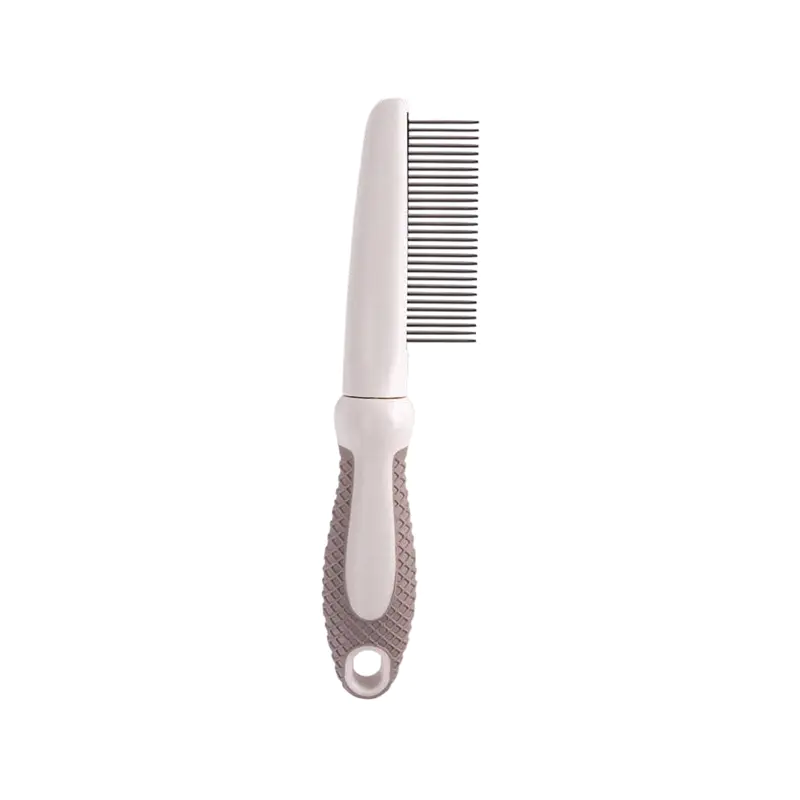
Short, smooth coats do not mat the way long fur does, but they still shed, and regular grooming keeps that shedding under control. Long coats are a different story. The ears, armpits, and belly are where knots form first, often quietly, before you notice them. Double-coated breeds carry two separate layers of fur, and if you only work the surface, you are essentially leaving the undercoat untouched. That buildup causes problems over time. Curly coats are deceptive too. Shed hair does not fall away cleanly the way it does with straight fur. It loops back into the curl and sits there, tightening slowly until it becomes a mat.
Get familiar with your pet's coat first. Everything else follows from that.
Choosing the Right Comb Style for Your Pet
Not every comb works equally well for every pet. Here is a quick comparison to help you decide which style suits your situation.
| Comb Style | Coat Type | Key Benefit | Consideration |
|---|---|---|---|
| Fine-toothed | Short, smooth | Removes fine debris and loose hair | Can snag on tangles if rushed |
| Wide-toothed | Long, thick | Moves through dense fur smoothly | May miss finer debris near skin |
| Rotating-pin | Curly, wavy | Reduces pulling by rotating on contact | Requires gentle hand pressure |
| Undercoat rake | Double-coated | Reaches deep undercoat effectively | Not suitable for thin or sensitive coats |
| Flea comb | Any coat | Detects parasites close to the skin | Teeth too fine for detangling |
A rotating-pin comb on a double-coated Husky, for instance, will glide over the surface without ever reaching the dense undercoat. An undercoat rake on a short-haired cat? That is a fast way to make grooming something your cat actively avoids. The match between tool and coat is not a minor detail. It is the whole point.
Getting Your Pet Comfortable: The Foundation Step
Before you ever bring the comb near your pet's coat, there is groundwork to do. Pets that dislike grooming usually learned to dislike it because someone moved too fast, too soon.
Pick a quiet moment, not right after a walk when your pet is still wired. Let them sniff the comb. Just set it down and let them investigate it at their own pace. Then, before you even start combing, run your hands slowly along their coat. This is not just about calming them down. It tells you where the tension is, where they flinch, where you will need to slow down once the comb comes into the picture.
Short sessions matter more than thorough ones in the beginning. Five minutes that end well are worth more than twenty minutes that end in a struggle. Patience here is not a soft suggestion. It is the actual method.
Step-by-Step Brushing Process
Once your pet is settled, work through the following sequence.
Step 1: Before the comb touches anything, run your fingers through the coat. Feel for knots, sensitive patches, anything unusual. This takes thirty seconds and saves you from accidentally dragging a comb through a mat you did not know was there.
Step 2: Start at the neck, not the back. The neck is lower-stakes territory. Your pet gets used to the sensation gradually, rather than being startled by a comb suddenly moving across their spine.
Step 3: Work in sections. Pulling a comb through a wide swath of thick fur at once is how teeth snap and pets flinch. Smaller sections give you control.
Step 4: The ears, armpits, collar area, belly. These spots need more time, not more force. If you find a mat, hold the fur at the base with your fingers first. That way, the tension does not travel all the way to the skin.
Step 5: Legs and tail last. The skin here tends to be thinner. Lighter pressure, slower pace.
Step 6: Finish with something your pet actually likes. A treat, a few calm minutes together. The session ends on a positive note, and next time will go a little more smoothly.
What Are the Most Common Brushing Mistakes?
Pressing too hard is probably the single most common one. The comb is supposed to move through the fur, not grind against the skin. If your pet pulls away, that is feedback worth listening to.
Skipping the difficult spots is another. The belly and armpits are awkward to reach, so people avoid them. That is exactly where mats tend to form. A comb that has not been cleaned in several sessions also loses effectiveness quickly. Packed fur between the teeth creates drag, and bent teeth snag. Take thirty seconds to clear it out after each use.
Working only the outer layer is an easy habit to fall into, especially with thicker coats. It looks like you have done the job, but underneath, the undercoat is untouched. And one more thing: when a pet fidgets, the instinct is to stop immediately. That is understandable, but done consistently, it trains your pet to use movement as an exit strategy. A brief pause is fine. Ending the session every time they shift is a different pattern.
How Often Should You Be Grooming at Home?
There is no single answer that fits every pet, which is part of why this question comes up so often. Short coats usually do fine with once or twice a week. Medium-length fur benefits from a few sessions spread across the week, particularly around the neck and chest where tangles start first. Long and double coats during heavy shedding seasons may need daily attention. Curly coats need more frequent work than most people expect, simply because the shed hair stays trapped rather than falling loose.
The real signal is the coat itself. A dull appearance, small knots forming in the usual spots, or noticeably more fur on the furniture than usual all suggest it is time to groom more regularly.
Supporting Coat Health Beyond the Comb
A comb can only do so much. What your pet eats shows up in the coat, often before it shows up anywhere else. Fur that looks dry or feels brittle is frequently a sign that something is off nutritionally, usually a lack of fatty acids. Hydration matters too. Pets that do not drink enough tend to develop flaky skin, which makes grooming less comfortable for them.
Bathing frequency is worth thinking about as well. Bathing before a grooming session loosens dead skin and makes the comb move more freely. But too many baths strip the natural oils that keep the coat healthy, so balance is key. In dry winter months, static can make combing feel more irritating than usual. A light grooming spray can help with that.
When to See a Professional Groomer or Veterinarian
Some situations fall outside the scope of home grooming, and recognizing them early saves your pet discomfort. A mat that sits tight against the skin is one of them. Trying to pull that apart at home, even carefully, risks cutting the skin. A professional groomer with clippers is the right call there.
Redness, persistent flaking, or an unusual smell coming from beneath the coat are signs to bring to a veterinarian, not to groom through. And if your pet becomes genuinely distressed during sessions, not just mildly restless but truly reactive, a professional may be able to help desensitize them gradually before home grooming becomes realistic.
Frequently Asked Questions
How do I start brushing my pet if it is my first time?
Do not start with the comb. Let your pet sniff it, then use your hands to get them comfortable with being touched. Introduce the comb only once they seem relaxed. Keep that first session short, and end it before anyone gets frustrated.
Can I brush my pet every day?
For most coats, yes. It is gentle enough to be a daily habit, and many pets come to enjoy it. Short-coated pets do not strictly need daily grooming, but it will not hurt them.
How long should a brushing session last?
Ten to twenty minutes covers most coats thoroughly. For young pets or those new to grooming, five minutes is plenty to start.
Is it safe to groom the belly and other sensitive areas?
Yes, with lighter pressure and slower movements. If your pet reacts strongly to a specific spot every time, that is worth mentioning to a veterinarian.
Can grooming reduce shedding around the house?
It will not eliminate shedding, but it removes a significant amount of loose fur before it ends up on the couch. Consistent grooming makes a noticeable difference.
What should I do if I find a mat I cannot remove?
Hold the base of the mat close to the skin, try to gently work apart the outer edges, and stop if it is not loosening. A tight mat close to the skin is safer in a groomer's hands.
How do I prevent hair from spreading everywhere during grooming?
Groom outside when weather allows, or use a mat underneath. Clean the comb frequently during the session so loose fur does not redistribute.
What if my pet has skin allergies?
Stick to smooth, rounded teeth and avoid any scented grooming products. Ask your veterinarian what grooming routine fits your pet's specific condition.
Can I use a Pet Grooming Comb on a wet coat?
Wide-toothed and detangling styles generally work on damp fur. Avoid forcing through knots when the coat is wet since wet fur breaks more easily than dry fur.
How do I clean and maintain my grooming tool?
Pull out accumulated fur after each use. Wash it with warm water and mild soap occasionally, and let it dry fully before putting it away.
Building a grooming routine takes longer than most people expect, and that is completely normal. Some sessions will be short because your pet is restless. Others will surprise you with how smoothly they go. The consistency matters more than any single session being thorough. Over time, you start to know your pet's coat the way you know their other habits, where knots tend to form first, which spots need more time, when the shedding is picking up. That kind of familiarity is genuinely useful, and it comes from showing up regularly, comb in hand, even on the days when it feels like more effort than it is worth.