
 English
 中文简体
中文简体 русский
Every grooming session should feel like a bonding moment between you and your pet, not a struggle. Yet for many pet owners, detangling a coat can quickly turn stressful when their furry companion starts squirming, whimpering, or pulling away. The tool you reach for matters more than most people realize. A Pet Grooming Comb chosen with care and intention can be the difference between a calm, comfortable experience and one that leaves both of you dreading the next session. Understanding why certain combs work better than others, and how to use them correctly, is the foundation of healthy, low-stress coat care.
Why Does Detangling Hurt in the First Place?
Pain during grooming is rarely random. It usually traces back to something specific, and once you know what to look for, it becomes much easier to fix. Tugging at the base of the hair shaft instead of easing through knots from the tips is one of the most common culprits. So is reaching for a comb with teeth packed too close together for your pet's coat. Mats that get dragged through rather than loosened first, a dry coat without any softening product, too much pressure over a tender patch of skin, these are the everyday mistakes that turn grooming into something pets dread.
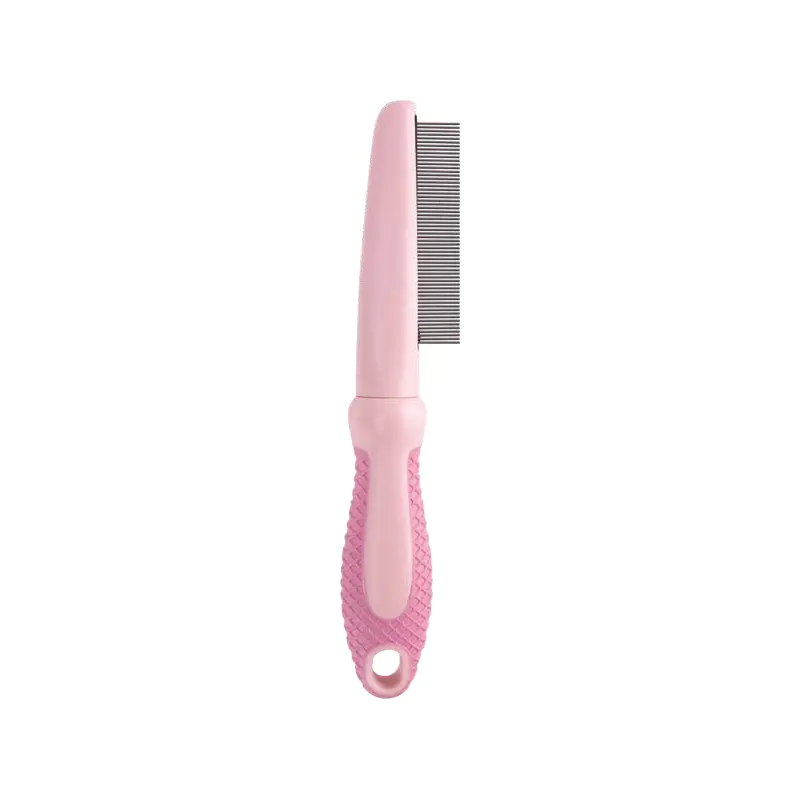
Animals with dense undercoats or long fur tend to develop mats right down near the skin, where the pull is felt most sharply. Even short-haired pets are not immune. Repeated scraping from poorly designed teeth can irritate skin that looks perfectly fine from the outside. Behind the ears, under the arms, along the belly, these spots are more reactive than they appear, and they deserve extra attention.
How the Right Comb Changes Everything
Here is the part that often surprises people: swapping one comb for another, with no change in technique, can make a noticeable difference almost immediately. The details matter.
- Tooth spacing tells you a lot. Wider gaps let the comb glide through dense or knotted fur without catching. Finer spacing suits coats that are already smooth and just need a polish.
- Tip shape is easy to overlook but really should not be. Rounded or blunted tips pass over the skin. Sharp ones scratch it, sometimes repeatedly before anyone notices.
- Material affects friction in ways that are hard to see but easy to feel. Wood and coated metals tend to move through fur more quietly than bare plastic, which can build static and cause hair to bunch and snag.
- A handle that stays put matters more than people expect. When a comb slips mid-stroke, pressure becomes uneven and movements turn jerky. That jerk is what the pet feels.
- Some combs have teeth with a little give in them. When they meet resistance, they absorb it slightly rather than transferring the full force straight to the skin. That small amount of flexibility makes a real difference for anxious animals.
Matching the tool to the coat before you even start grooming removes a layer of difficulty that many pet owners do not realize they have been carrying.
What Coat Type Should Guide Your Choice?
| Coat Type | Recommended Tooth Spacing | Key Considerations |
|---|---|---|
| Long, silky fur | Medium to wide | Rotating or smooth teeth help prevent hair from wrapping around the comb |
| Thick, double coat | Wide for detangling, medium for finishing | Two combs often work better than one |
| Short, dense fur | Fine to medium | Skin contact comfort and low friction matter most here |
| Curly or wavy coat | Wide | Work in small sections and avoid any pulling near the root |
| Fine or thin fur | Fine, with rounded tips | Very light pressure; aggressive passes will break the hair |
How to Actually Detangle Without Causing Pain
Technique carries as much weight as the tool. A thoughtfully designed comb used carelessly will still leave a pet uncomfortable. The approach below is not complicated, but it does require patience, especially at first.
Start with a conditioning spray or detangling mist. This step gets skipped constantly, and it is probably the single biggest reason grooming sessions go badly. Dry, tangled fur fights back. Softened fur cooperates.
Divide the coat into smaller sections. Hold the fur near the base with your free hand while you work. This simple habit absorbs the pull before it reaches the skin. Begin at the ends, take short strokes, and only move toward the roots once each section is smooth. When a mat appears, hold the fur between the mat and the skin with your fingers first, then comb through. Trying to drag the comb straight through a mat without that anchor point is what causes the sharp pain that makes pets flinch.
For anxious animals, keep the session short and end on a positive note. A treat, some calm praise, a moment of play afterward, these things add up over time and slowly shift how a pet feels about being groomed.
Does It Matter Whether the Coat Is Wet or Dry?
Wet fur stretches. It breaks more easily than dry fur, which means combing right after a bath can actually damage a coat more than waiting would. Slightly damp fur with a conditioner worked through it tends to be the sweet spot, enough moisture to reduce friction, enough slip from the product to let the comb move freely. A completely dry coat without any product can be managed, but it calls for wider spacing and slower strokes.
Mats are a special case. Wet fur causes them to tighten, so trying to comb through a mat on a soaking coat will be harder and more painful than working through it dry or damp. Severely matted coats are sometimes better handled by a professional groomer before attempting home care.
Can the Wrong Comb Actually Cause Lasting Harm?
It can, and this is the part that tends to catch people off guard. Occasional discomfort feels like a minor problem in the moment. But repeated grooming sessions with an ill-suited tool leave marks over time: hair shaft breakage that makes the coat look thin and worn, skin irritation that builds up with every pass, anxiety that grows with each unpleasant experience until the pet actively resists being touched. Mats that are never fully resolved just thicken. The problem compounds.
Once a pet connects grooming with pain, that association is hard to undo. Catching it early by simply using a more appropriate tool is one of the quieter acts of care that makes a genuine difference.
How Often Should You Detangle?
Long and curly coats really do need attention almost daily. Every other day, at minimum, keeps mats from getting a foothold. Medium-length coats can usually go two or three times a week. Short coats are more forgiving, weekly grooming is often enough, though regular combing still helps move natural oils through the coat and clear away loose hair.
After outdoor time, especially in areas with tall grass or dense brush, a quick pass with the comb can catch debris and early tangles before they become something harder to deal with. Consistency matters far more than intensity. A five-minute session three times a week will do more good than a marathon grooming appointment once a month.
What About Pets With Sensitive Skin or Anxiety?
Some animals simply come with more reactive skin or a stronger aversion to handling. For them, every detail of the grooming process deserves extra thought.
- Silicone-tipped or rounded metal teeth are gentler on delicate skin than harder alternatives.
- Starting with sessions that last only a few minutes gives the pet a chance to build tolerance without being overwhelmed.
- Pairing grooming with something the pet enjoys, a treat, a favorite toy, calm reassurance, helps shift the emotional weight of the experience over time.
- Timing matters too. A pet that is already stressed from a car trip or a vet visit is not in the right state for grooming. Choosing a quieter, calmer moment makes a noticeable difference.
- Pets with ongoing skin conditions should have their grooming tools and products reviewed by a vet, since some materials and ingredients can make things worse without anyone realizing it.
Sensitivity is not a reason to avoid grooming. It is a reason to approach it differently.
Simple Habits That Help Between Sessions
The best way to handle tangles is to keep them from forming in the first place. A few small adjustments to daily routines go a long way.
- Breathable bedding helps. Dense fabrics trap fur and encourage matting overnight.
- For long-haired pets, a loose protective style during outdoor activities can keep the coat from picking up debris.
- High-friction zones, the collar line, leg joints, the chest, are worth keeping slightly shorter if matting keeps coming back in those spots.
- A light conditioning spray between grooming sessions keeps the coat hydrated and easier to manage.
- Regular trims, particularly at the ends where splits and knots tend to start, reduce the overall tangle load considerably.
None of these habits are complicated. Together, though, they change what grooming sessions feel like for everyone involved.
Wrapping Up
Grooming discomfort is not something pets simply have to put up with. Most of it comes down to a mismatch between tool, technique, and coat, and most of it is fixable. A quality Pet Grooming Comb selected to suit your pet's specific coat type, paired with a patient and gentle approach, turns grooming into something manageable and even pleasant. The small adjustments, working from ends to roots, using a conditioning product, keeping sessions short and positive, do not feel significant on their own. Over time, though, they shape a routine where the coat stays healthier, the sessions run calmer, and the relationship between pet and owner carries just a little more ease and trust.