
 English
 中文简体
中文简体 русский
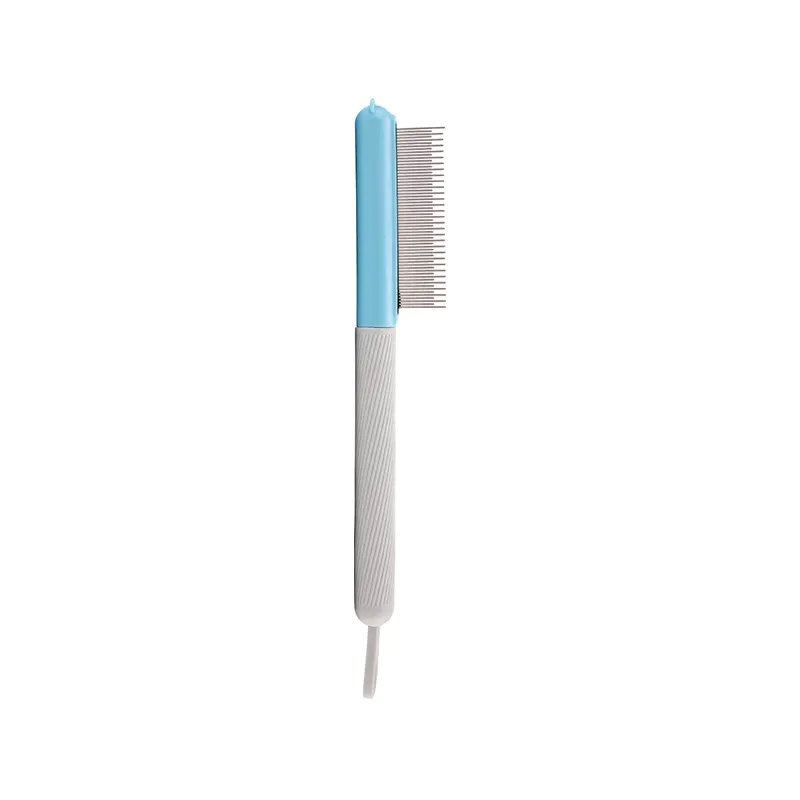
Every pet owner has been there. You clear the table, gather your tools, and approach your dog or cat with calm intentions, only to have them immediately decide this is the moment to bolt under the sofa. Frustrating? Absolutely. But here is the thing most owners discover eventually: the problem is rarely the technique. It is the timing. A Pet Grooming Comb is a handheld tool built for detangling fur, removing loose undercoat, and keeping a pet's coat clean and manageable between washes. Yet even a well-designed version of it is only as useful as the moment you choose to pick it up. Get the timing wrong, and even a five-minute brush session can turn into an exhausting standoff. Get it right, and the whole thing almost takes care of itself.
So What Exactly Is a Pet Grooming Comb?
Worth pausing on this for a moment, especially for newer pet owners. This tool is not a human hairbrush with a rebrand. It is specifically shaped to work with animal coat types, whether that means navigating a double-coated dog's dense undercoat, gliding through a cat's silky outer fur, or working through the tangled patches behind a spaniel's ears. Some versions have wide-set teeth for thick coats. Others feature fine, closely spaced tines for shorter fur. A few combine both in one. The common purpose across all of them: to make coat care less disruptive for the animal and less time-consuming for the owner. The tool does its job when the pet cooperates. And cooperation, as any experienced owner knows, is entirely a function of when you ask for it.
The Short Answer: After Calm, Not After Chaos
For most pets, the smoothest grooming window falls after a period of activity followed by natural rest, when the body has settled but the mind is still present. Not half-asleep. Not buzzing. Somewhere in between.
Cats tend to cooperate well after eating. Once a cat finishes a meal, their instinct shifts toward warmth, stillness, and grooming their own face with a paw. That post-dinner drowsiness is your opening. Slide in with this cleaning product while they are already lounging, and you will meet far less resistance than if you interrupted a play session.
Dogs are a different story entirely, and the specifics matter a great deal depending on the dog you are working with.
High-Energy Dogs: Timing Is Everything
Picture a Labrador at nine in the morning. They have just woken from eight hours of sleep. Their body is loaded with pent-up energy, their cortisol is running high, and all they want to do is run, chase, sniff, and play. Try to groom them at that moment and you are essentially asking a coiled spring to hold still. It will wiggle, mouth your hands, and treat the brush like a chew toy.
The shift happens in the afternoon. Late afternoon, specifically, around that three to five o'clock window.
By then, a high-energy dog has usually had a morning walk, breakfast, and some kind of midday activity. The energy reserves are genuinely spent. When you bring out the tool at that point, the dog is not fighting the process because they simply have nothing left to fight with. They stand in the tub. They let you work through their coat. They might even lean into the brush. That is not magic. That is just reading the clock correctly.
For active breeds, Labradors, Huskies, and similarly wired dogs, late afternoon grooming is not a preference. It is practically a requirement for a stress-free session.
Anxious, Fearful, or Senior Dogs: A Completely Different Equation
Here is where it gets more nuanced. What works for a high-energy dog actively backfires with an anxious one.
An anxious rescue or a dog with noise sensitivity accumulates stress throughout the day. Every knock at the door, every passing siren, every unfamiliar sound chips away at their patience. By late afternoon, their ability to handle one more stressful event, including grooming, is essentially zero. You will get a trembling, resistant dog who associates the experience with dread.
For these animals, mid-morning is often the answer. Around ten to eleven-thirty works well. Take them for a short, quiet walk first, let them have a light snack, and allow them to settle in a familiar spot. When the session starts at ten-thirty, the dog's nervous system is still fresh. They have not yet accumulated the day's worth of tension. They are rested, physically relaxed, and mentally resilient enough to tolerate handling.
Senior dogs follow a similar logic. Add slower pacing, gentler pressure, and a warm surface, and the mid-morning window tends to suit them well too.
How Different Times of Day Compare
| Time of Day | Energy Level | Works Well For | Potential Pitfalls |
|---|---|---|---|
| Early morning (7 AM - 9 AM) | High to variable | Calm, slow-waking pets only | High-energy or anxious dogs, stiff senior joints |
| Mid-morning (10 AM - 11:30 AM) | Settling, manageable | Anxious dogs, senior pets, cats after breakfast | Owners with early work schedules |
| Midday | Balanced | Pets who have had morning activity, detailed tasks like nail trimming | Hard to arrange around work or childcare |
| Late afternoon (3 PM - 5 PM) | Low to depleted | High-energy dogs post-activity, coat brushing | Anxious dogs whose threshold is worn down |
| Evening | Low, sleepy | Light tasks, paw wiping, quick face checks | Deep fatigue can cause irritability or flinching |
No window is universally right. Think of this less as a schedule and more as a map of tendencies.
Does the Type of Task Change the Timing?
Noticeably, yes. Not all grooming tasks demand the same level of patience from a pet.
Brushing and coat maintenance can be broken into shorter sessions across several days. Evening wind-down routines work well here. The stakes are low if the pet gets restless halfway through.
Nail trimming is the one that needs the calmest possible moment. After a long walk, when the dog is physically worn out, is often when this goes smoothly. Attempting it during a high-excitement period is a reliable way to end up with a scratched hand and a stressed pet.
Bathing requires a deliberate setup and a pet with enough cooperation left to stand still. Midday or early afternoon tends to work, especially when the house is quiet and unhurried.
Ear cleaning, paw wiping, and face checks are quick enough to attach to existing routines naturally. After a walk for paw wiping. Before bed for a face check. Short tasks benefit from routine anchoring more than from any specific time of day.
Cats Are Not Small Dogs
It bears saying plainly. Cats respond to environment more than schedule. A quiet room, a surface they already feel settled on, and an owner who is not visibly rushed all matter more than whether it is two in the afternoon or seven in the evening.
After meals is a reliable general window, as mentioned earlier. But the more useful insight is this: stop before the cat tells you to. The tail flick, the skin twitch, the sideways glance that means the mood has shifted. When you see any of those, end the session on a neutral note. That way the next one starts without baggage.
Reading the Room Before You Start
Before picking up the tool, spend thirty seconds watching. These are signs the timing is working in your favor:
- Loose, relaxed posture with no visible tension in the shoulders or neck
- Steady, normal breathing
- Willingness to stay close without pacing or scanning the room
- Accepting light touch on the back or head without flinching
These are signs to set the tool down and come back later:
- Pacing, circling, or inability to settle
- Ears pinned back or tail held low and stiff
- Hiding, turning away, or actively avoiding contact
- Vocalizing for no clear reason
- That look of fixed alertness that says the pet is already tracking an exit
Three Practical Tips Worth Keeping
Keep it short, especially early on. Five to ten minutes is enough to build a positive association. Long sessions in the early stages create resistance that can last for years. It is far better to stop while things are still going well than to push through and end on a bad note.
Your own mood travels. Pets pick up on stress with an accuracy that is slightly unsettling. If you are rushed, annoyed, or distracted, the session will reflect that. Choose a moment when you have nowhere to be and nothing pressing.
Same place, every time. Grooming in a consistent spot, whether that is a particular mat, a bathroom corner, or a specific outdoor surface, builds a location cue that primes the pet before you even pick up the tool. The ritual itself becomes part of the signal.
Building a Habit That Actually Holds
The most reliable way to make grooming low-fuss is to attach it to something that already happens every day. After the evening walk. Following the afternoon nap. Right after the dinner bowl goes down for the cat. When the session becomes part of a sequence the pet already recognizes, it stops feeling like an interruption and starts feeling like what comes next.
Long-haired pets especially benefit from daily brushing even if sessions stay short. Consistency prevents matting, reduces the intensity of each session, and gradually makes the whole process something the pet barely notices. The tool stops being a source of dread and becomes, over time, something close to routine.
Timing matters more than any other variable in grooming, and not because it is complicated, but because animals are entirely governed by their current physical and emotional state. A dog who is depleted after a full afternoon of activity is a completely different grooming partner than the same dog at eight in the morning with eight hours of sleep behind them. A cat who has just eaten and is slowly blinking in a sunbeam will tolerate far more than one you interrupted mid-play. Pay attention to what your pet's body is already communicating, match the timing to their state rather than to your schedule when possible, keep sessions short and consistent, and choose a moment when you yourself are genuinely unhurried. Do those things regularly, and grooming shifts from something you dread to something that simply happens, quietly and without drama, as part of an ordinary day.