
 English
 中文简体
中文简体 русский
Walk into any pet-friendly home today and you may notice something subtle. The water bowl is no longer just a bowl. It hums quietly, water moves in a gentle loop, and the whole setup feels more considered than before.
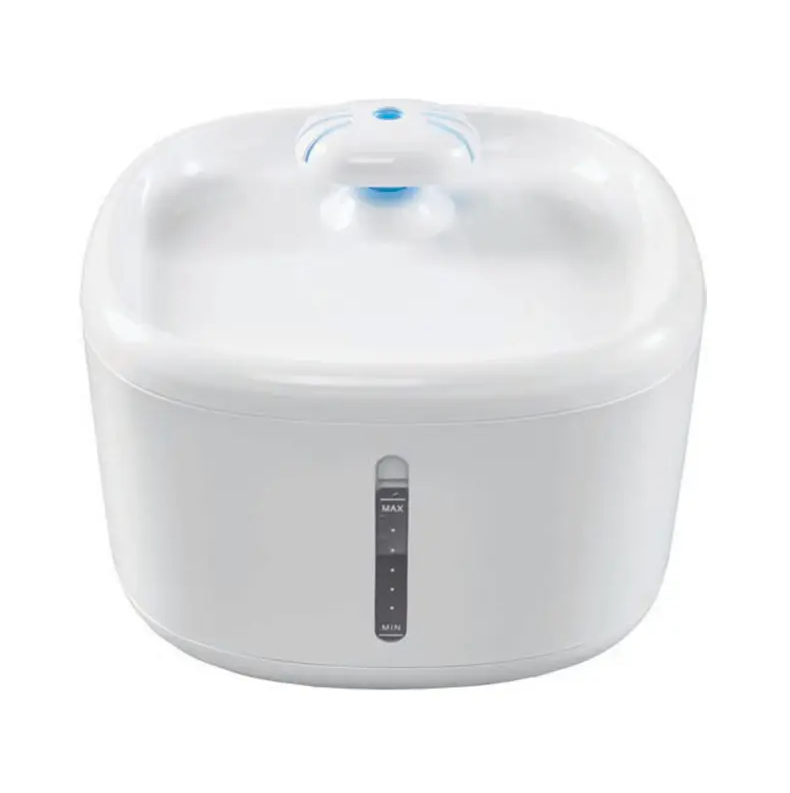
Automatic Pet Fountain Water Drinking Bowl have found their place not because they are complex, but because they fit into daily life in a quiet way. They sit in corners, near walls, beside feeding areas. Over time, they become part of a routine that people hardly think about, yet rely on every day.
Choosing one is not about scanning a list of features. It is about noticing small details. How it sounds in a quiet room. How a pet approaches it. How often it needs attention. These are the things that shape the experience.
Does moving water really change how pets drink?
It often does, though the change can be subtle at first.
Some pets approach still water with hesitation. They pause, sniff, maybe walk away, then return later. When water moves, even slightly, the reaction can shift. The surface looks different. It feels more alive.
A slow stream can draw attention without overwhelming the pet. It invites curiosity. A more visible flow may suit animals that enjoy watching before they drink.
Not all pets respond in the same way. Some prefer a calm surface with only slight movement. Others seem drawn to the sound and motion together.
What matters is not the presence of movement alone, but how that movement is presented. Shape, height, and direction all influence the interaction.
How noticeable is the sound over time?
At the beginning, most people listen closely. They check if the fountain is quiet enough. After a few days, the focus shifts. The sound either blends in or starts to stand out.
A steady, soft hum often fades into the background. It becomes part of the room, like distant air movement. Irregular sounds are different. A sudden change in tone or rhythm can draw attention again and again.
Pets notice sound too. Some adjust quickly. Others remain cautious if the noise feels unfamiliar.
The source of sound is not always obvious. It may come from the motor, but also from water flow, small air pockets, or slight vibration against the surface it rests on.
A balanced structure reduces these effects. When the parts sit firmly together, the sound tends to remain stable.
What does filtration actually do in daily use?
It works quietly in the background, and that is exactly the point.
Over the course of a day, small things enter the water. Dust from the air. Tiny particles from the pet. Sometimes bits of food. None of this is dramatic, but it adds up.
Filtration helps keep the water looking clear and feeling fresh. It supports a steady state rather than reacting to sudden changes.
In practice, this means less visible buildup and fewer changes in smell. The water feels consistent from morning to evening.
The system itself needs care. Filters are not permanent. They need attention at intervals. If replacing or rinsing them feels simple, it becomes part of the routine. If it feels complicated, it may be delayed.
Ease of access plays a quiet but important role here.
Does the choice of material make a difference?
At first glance, material seems like a matter of appearance. Over time, it becomes more than that.
Some surfaces feel smooth and easy to wipe. Others have edges or seams where residue can settle. These small differences become clear during cleaning.
There is also a tactile aspect. Certain materials feel cooler, which can influence how the water is perceived, especially in warmer spaces.
Durability shows itself slowly. Daily handling, refilling, and washing all leave traces. A material that holds its form and surface over time supports a more stable experience.
Visual fit matters too. The fountain often shares space with furniture and other objects. A design that blends in can feel more natural than one that draws constant attention.
How does size influence everyday routines?
Size is not just about capacity. It shapes how often the fountain needs attention and how it fits into the space.
A smaller unit may need frequent refilling. This can be manageable in some households, less so in others. A larger one reduces that frequency but takes up more room.
In homes with more than one pet, water levels change quickly. A steady level supports consistent flow. When the level drops, the movement may change, and pets may notice.
Visibility helps. Being able to glance at the fountain and understand its state reduces guesswork.
Refilling should feel straightforward. If it requires moving many parts or lifting heavy sections, it may interrupt the routine.
Balance is key. Enough capacity to reduce effort, without creating inconvenience.
Why does cleaning design matter more than expected?
Cleaning is where design meets reality.
A fountain may look simple when assembled, yet reveal complexity when taken apart. Small components, narrow spaces, and hidden corners can turn a quick task into a longer one.
A design with fewer parts tends to simplify the process. Wide openings and smooth surfaces allow easier access.
Disassembly should feel natural. Parts that come apart without force encourage regular cleaning. If something feels fragile or difficult to handle, hesitation appears.
Drying is part of the cycle as well. Materials that release moisture quickly help reduce waiting time.
Over days and weeks, these small factors shape whether maintenance feels routine or burdensome.
How does the fountain's shape affect pet behavior?
Animals respond to form in ways that are easy to overlook.
Height influences posture. A surface that sits at a comfortable level invites repeated use. Too high or too low, and the pet may adjust awkwardly or avoid it.
The openness of the design changes visibility. A wide, open surface allows the pet to see the water clearly. More enclosed shapes may feel sheltered but can limit that view.
Drinking style varies. Some pets approach from the side. Others move directly toward the center. A broader drinking area can support both.
Stability also plays a role. If the fountain shifts when touched, it may create uncertainty. A firm base supports confidence during use.
Over time, these details guide habits. The fountain becomes part of a pattern rather than a separate object.
What should you notice about safety and stability?
Safety often reveals itself through absence. When everything works smoothly, it goes unnoticed.
A stable base helps prevent tipping. This is important in spaces where pets move quickly or play nearby.
Edges should feel smooth. Even minor roughness can affect comfort.
The relationship between water and internal components should feel secure. Parts need to fit together without gaps or looseness.
Cord placement matters more than expected. A neatly positioned cord reduces the chance of pulling or tangling.
These elements do not stand out individually. Together, they create a sense of reliability.
A closer look at how features play out day by day
Instead of focusing on definitions, it helps to see how features appear in everyday use:
| Feature | What You Notice | How It Feels Over Time |
|---|---|---|
| Water Movement | Gentle flow or visible stream | Shapes pet interest |
| Sound | Soft hum or irregular noise | Blends in or distracts |
| Filtration | Clear appearance | Supports consistency |
| Material | Smooth or textured surface | Affects cleaning ease |
| Size | Frequency of refilling | Influences routine |
| Structure | Stable or shifting base | Impacts confidence |
| Shape | Open or enclosed design | Guides behavior |
No single feature defines the experience. It is the interaction between them that matters.
A quiet fountain that is hard to clean may still feel inconvenient. A large one that lacks stability may create new concerns.
What guides a practical choice in the end?
The answer often sits in everyday life rather than in specifications.
Think about where the fountain will be placed. A shared living space may call for a quieter presence. A more active area may require stronger stability.
Consider the pet's habits. Some adjust quickly to new objects. Others need time and familiarity. A flexible design can make that transition smoother.
Look at your own routine. How often are you willing to refill, clean, and check the fountain? The right choice aligns with what already feels manageable.
Over time, the fountain becomes less noticeable. It settles into the background, supporting daily habits without drawing attention. That quiet integration is often what people value most, even if they do not think about it directly.