 English
 中文简体
中文简体 русский
A Lint Rolled Tool often sits quietly in a drawer, near the door, or inside a travel bag. It is simple in form, yet it shows up in many small moments during the day. A quick pass before leaving the house. A fast clean on a chair before guests arrive. A small fix that takes seconds but changes how a space or outfit feels.
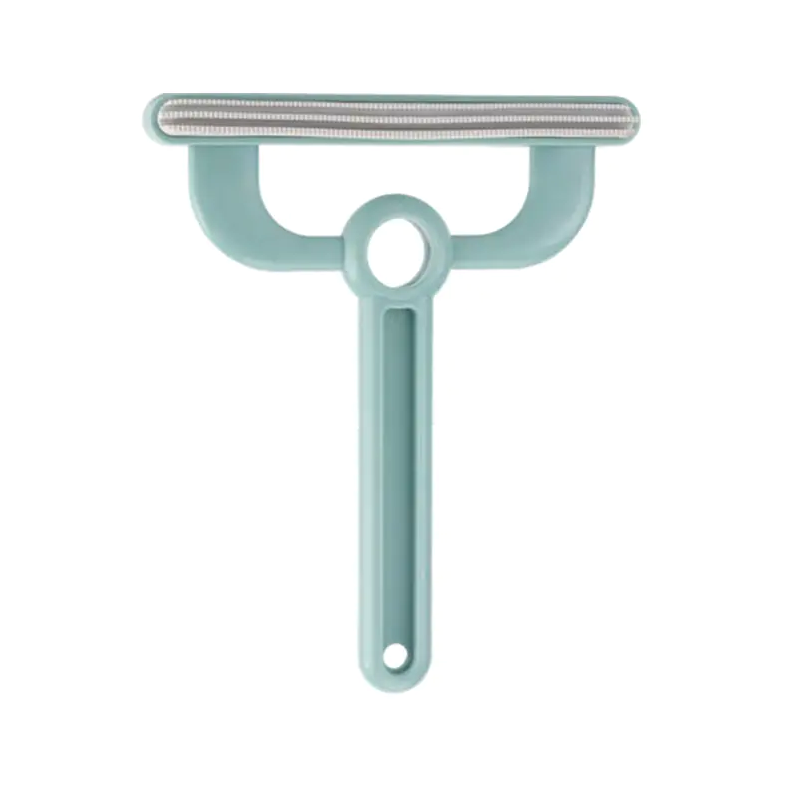
In recent years, this tool has moved beyond clothing care. It has become part of a wider conversation around quick cleaning methods. People look for ways to manage dust, hair, and loose particles without setting aside large blocks of time. The lint roller fits this pattern. It is direct, easy to use, and adaptable.
Understanding where it works best is less about strict rules and more about observation. Different surfaces respond in different ways. Some allow smooth rolling. Others require a lighter touch. The value comes from knowing how the tool behaves in each setting.
Can a lint roller be used on clothing beyond basic fabrics?
Most people use lint rollers first on regular everyday clothes. Shirts, coats and pants easily pick up dust, lint and stray hairs through daily wear, and a lint roller gets rid of these quickly with almost no extra work.
It works perfectly on common, smooth‑surface materials. Cotton mixes and regular casual outerwear are easy to clean this way. The sticky surface picks up hair and dust without stretching or damaging the fabric.
You need to be more careful with finer, more fragile materials. Just roll lightly without pushing hard to prevent straining the fabric surface. The trick is not to press down, but simply let the adhesive touch and pull away loose debris.
Textured fabrics are another case to watch for. Knitted clothes, for example, trap particles deeper in the weave. Short rolling strokes with slight changes in direction can help clean them more effectively.
Looking after clothes means making these small practical adjustments. Lint rollers become a handy daily tool — not only for tidying up before heading out, but also when packing away or sorting your wardrobe items.
How effective is it on upholstered furniture?
Sofas and chairs collect more than people notice at first glance. Pet hair, dust, and fibers settle into the surface over time. A lint roller can address these areas without the need for larger equipment.
On smooth upholstery, the roller moves easily. Long, steady strokes gather loose material quickly. It is useful for armrests, seat cushions, and back panels.
Textured upholstery behaves differently. Hair may cling more firmly, especially in woven surfaces. In these cases, shorter movements and repeated passes help lift what remains.
Corners and seams often hold more debris. A smaller roller or angled movement can reach these areas more effectively.
This method is not meant to replace deep cleaning. It supports regular upkeep. A quick pass every few days can keep furniture looking cared for without much effort.
Can a lint roller handle bedding and soft home textiles?
Bedding is another surface where small particles collect. Sheets, pillow covers, and blankets come into contact with skin, hair, and the surrounding air.
A lint roller offers a simple way to refresh these items between washes. It removes visible debris and helps maintain a clean appearance.
Flat surfaces, such as sheets, allow smooth rolling. The tool glides across with little resistance. For thicker items like blankets, a lighter touch works better. Pressing too hard may reduce effectiveness.
Pillows present a mixed surface. Some areas are firm, others softer. Adjusting pressure as you move helps maintain contact without pushing too deeply into the fabric.
This approach is often used as a quick fix. It does not replace washing, but it helps extend the time between full cleaning cycles.
What about hard surfaces like desks or shelves?
At first, a lint roller may not seem suited for hard surfaces. Yet it can be useful in specific situations.
Desks, shelves, and flat panels often collect fine dust. A lint roller can pick up these particles without spreading them into the air. This is especially helpful in spaces where people prefer a quieter cleaning method.
The key is to roll gently. Hard surfaces do not absorb pressure, so a light pass is enough. The adhesive lifts what is loose without leaving marks.
It can also be used around small objects. Instead of moving everything aside, a careful roll between items can remove dust from narrow spaces.
This use is less common but increasingly noticed. It reflects a shift toward flexible cleaning habits, where tools are used in more than one way.
Is it suitable for car interiors?
Car interiors present a mix of materials. Fabric seats, floor mats, and side panels all collect dust and hair.
A lint roller works well on fabric seats. It removes visible particles quickly, especially in areas where pets or passengers sit often.
Floor mats can also be treated in the same way, though larger debris may need to be removed separately. The roller handles finer material that remains after shaking or brushing.
Tight spaces require more care. The area between seats or along edges can be reached with smaller movements. Turning the roller slightly helps match the angle of the surface.
This method is often used for quick touch-ups. Before a drive or after a trip, a few passes can improve the overall appearance of the interior.
Can a lint roller be used on pet-related items?
Pet beds, cushions, and blankets are frequent collection points for hair. A lint roller is often used here because it is simple and direct.
The surface of a pet bed may vary. Some are smooth, others more textured. Adjusting the movement helps match the material.
Short strokes work well for dense areas. Longer strokes suit flatter sections. Repeating the motion in different directions can lift hair that sits at different angles.
This process is usually part of regular maintenance. It keeps items looking cleaner between washes and helps manage loose hair in the home.
It also reduces the spread of hair to other surfaces, including clothing and furniture.
How does it perform on curtains and vertical fabrics?
Curtains are often overlooked. They hang quietly, yet collect dust over time.
A lint roller can be used here with a slightly different approach. Instead of long horizontal strokes, vertical movements follow the natural fall of the fabric.
Light pressure is important. Curtains move easily, so a gentle touch keeps them in place while rolling.
This method works well for visible areas, especially near windows or doorways. It helps maintain a clean look without removing the fabric.
Other vertical textiles, such as fabric wall panels, can be treated in a similar way. The key is controlled movement and steady contact.
Are there surfaces where a lint roller works less effectively?
A lint roller doesn't work the same on every surface—some just make it harder for the tool to do its job.
If a surface is really rough, the sticky part of the roller can't make good contact with it. That means the lint, dust, or hairs stay stuck in the rough spots and don't come off.
You also can't use it on wet or damp surfaces. The moisture messes up the adhesive, so it won't pick up debris like it's supposed to.
And you have to be careful with surfaces that are loose or peeling—like old fabric that's starting to fray, or paint that's chipping. Rolling over those might pull off more than just lint, which could ruin the surface.
Knowing when it doesn't work well helps you use it right. A lint roller works best on surfaces that are dry, not falling apart, and pretty smooth.
A practical view of surface compatibility
Different surfaces interact with the lint roller in distinct ways. The table below offers a simple overview:
| Surface Type | Ease of Use | Typical Result |
|---|---|---|
| Clothing | Smooth | Quick removal of hair and lint |
| Upholstery | Moderate | Gradual improvement with repeated passes |
| Bedding | Smooth to soft | Light refresh between washes |
| Hard surfaces | Light touch needed | Picks up fine dust |
| Car interiors | Moderate | Effective for seats and mats |
| Pet items | Varies | Helps manage loose hair |
| Curtains | Gentle movement | Maintains clean appearance |
This comparison shows that the tool adapts across environments, though the method changes slightly each time.
How do everyday habits shape its use?
The way people use a lint roller often develops over time. It becomes part of small routines rather than a planned task.
A quick roll before leaving the house. A short clean after a pet moves from one spot to another. A simple action before guests arrive.
These moments are brief, yet they add up. The tool supports a style of cleaning that fits into daily life without interruption.
Its flexibility allows it to move from one surface to another. Clothing, furniture, and small spaces all become part of the same routine.
The value lies in this adaptability. It is not limited to one purpose. It responds to different needs as they appear, without requiring preparation or setup.